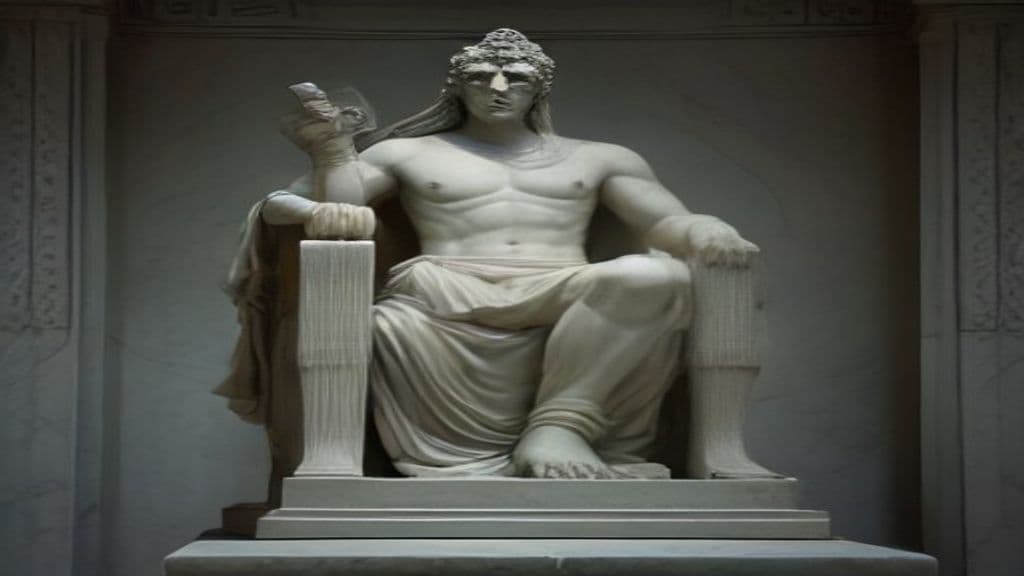
In Greek mythic tradition Minos is the son of Zeus and the Phoenician princess Europa. As a legendary ruler of Crete—often identified with Knossos—he is credited with receiving law-instruction from Zeus (a motif that recurs every nine years in some accounts), establishing constitutions or legal institutions on Crete, and founding Cretan naval power. Later rationalizing traditions and commentators distinguish divergent portrayals of Minos (sometimes positing two Minoses) to reconcile accounts of his positive role as lawgiver with episodes of cruelty recorded in the Theseus cycle; key family members in these narratives include Europa (mother), Pasiphaë (wife), Androgeus (son), and the Minotaur (offspring through Pasiphaë), and his brothers Rhadamanthus and Aeacus, who share posthumous judicial functions.
The supplied sources do not provide a consistent physical description or iconography for Minos; literary emphasis is placed on his office, actions, and roles rather than bodily features. In the classical texts and summaries cited, Minos is portrayed as a king and juridical figure—portrayals in art and literature emphasize his status as ruler or judge rather than fixed physical traits. Later interpretive traditions that split Minos into two figures also affected how artists and poets represented him by focusing on either benevolent lawgiver aspects or harsher, punitive episodes.
Sources attribute to Minos political and institutional abilities rather than supernatural powers: he is credited with founding and commanding a navy (Thucydidean tradition), instituting laws and a Cretan constitution (Aristotelian and other accounts), enforcing tribute and exercising coercive authority in interstate relations (the tribute from Athens in the Theseus cycle), and receiving periodic divine instruction from Zeus (Homeric/Platonic motif of conversing with Zeus every nine years). After death he is described as assuming a judicial office in the underworld—one of the triad that adjudicates the dead (with Rhadamanthus and Aeacus). The traditions emphasize mortal, political, and judicial capacities; no sources in the provided material ascribe inherent supernatural invulnerability or magical powers to Minos.
Weaknesses
- conditionmortal political vulnerability
- conditionloss of favor / revenge from other polities (e.g., Athenian resistance in the Theseus cycle)
- otherinternal family conflict (narrative motif; e.g., the death of Androgeus and the Pasiphaë/Minotaur episodes)
Wards
None recorded.

Zeus
Zeus (Ancient Greek: Ζεύς) is the supreme deity of the classical Greek pantheon, a sky-and-thunder god who rules as king of the gods on Mount Olympus and functions as a sky‑father who assigns roles among the immortals.
Theseus
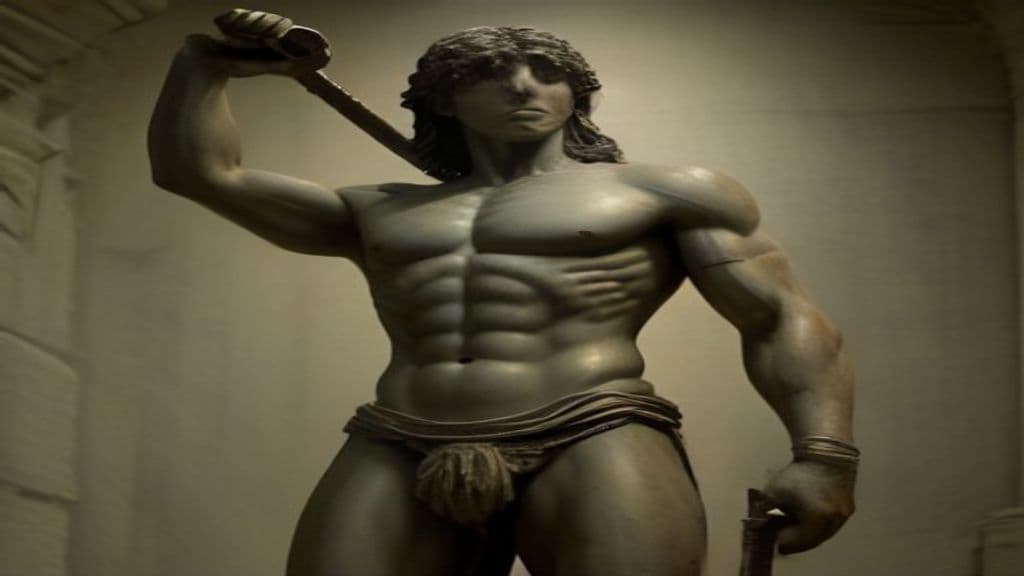
Theseus is a legendary hero of Greek myth credited with clearing dangers from Attic roads, slaying the Minotaur, and performing foundational civic acts for Athens (including synoikismos and establishing cult practice). He is portrayed as of mixed mortal and divine parentage and functions as a culture-hero and exemplar in later authors' moralizing biographies.
Aeacus
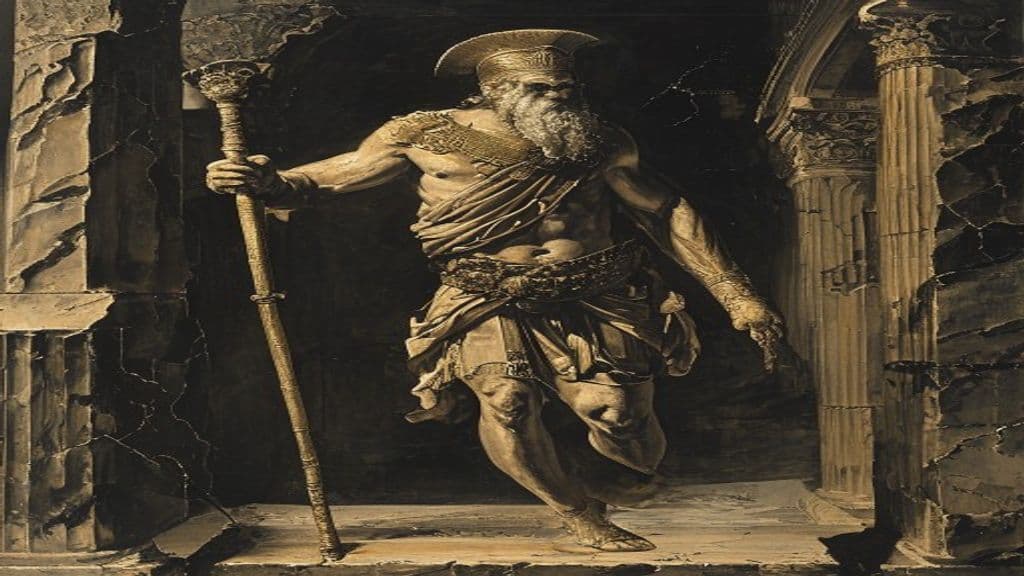
Aeacus is a mythic king of the island of Aegina in Greek tradition, famed for his justice and piety. After death he is accorded a permanent office in Hades as one of the three judges of the dead alongside Minos and Rhadamanthus, and he is the eponymous ancestor of the Aeacidae.
Community Record
- [1]Minos - Wikipedia. Wikipedia contributors. "Minos." Wikipedia, The Free Encyclopedia.wiki
- [2]Minos (Plato references and editions). Plato, Minos (editions and catalog references).literary
- [3]Minos - Biblical Cyclopedia. Biblical Cyclopedia entry: Minos.other
- [4]Qua exstant opera; accedunt Platonis quae feruntur scripta. Archive edition referencing Platonic works including Minos.literary
- [5]The works of Plato : a new and literal version, chiefly from the text of Stallbaum. Plato editions referencing Minos and associated motifs.literary