
The primary account appears in the Tishtar (Tishtrya) Yasht (Yt. 8.21–29) in which Apaosha, named with the Avestan noun apaoša- ('not thriving'), confronts the star-divinity Tishtrya as Tishtrya rushes toward the cosmic sea Vourukhasha. They fight for three days and nights until Apaosha overcomes Tishtrya. Tishtrya complains to Ahura Mazda that human failure to give proper prayers and sacrifices weakened him; Ahura Mazda's sacrificial action enables Tishtrya to reengage and defeat Apaosha, after which rains fall. Later Middle Persian works (e.g., Bundahishn, Dadistan i denig as summarized in the provided material) integrate Apaosha into the broader creation-era war over waters, describe his allies and opponents, and in some later strands associate him astrologically (a specific Bundahishn tradition links him with the planet Mercury).
In the Avesta (Tishtar Yasht) Apaosha is personified as a 'horrible black horse with black ears and black tail' who opposes Tishtrya's 'mighty white horse with golden ears and golden tail.' The Avesta explicitly treats him as a Daeva. Later Middle Persian tradition maintains his personified, malign character but the supplied sources do not add a consistent alternate physical description beyond continuity of the adversarial figure.
Apaosha's primary role is as the active agent of drought—he can repel or overpower Tishtrya, prevent rains, and thereby cause failure of growth and prosperity. The Yasht recounts him defeating Tishtrya for several days; after being subsequently routed (following Ahura Mazda's sacrifice and Tishtrya's strengthened return), later tradition (Dadistan i denig 93) records an attempt by Apaosha to pervert rains into harm. Bundahishn narratives place him among the forces arrayed against the guardians of creation and name allies (e.g., Spenjagr) who act on his side; these allies can themselves be defeated by beneficent powers (e.g., by lightning). The mythic efficacy of Apaosha is explicitly influenced by human ritual behavior: omission of proper prayers and sacrifices weakens Tishtrya and thereby favors Apaosha's success.
Weaknesses
- ritualproper prayers and sacrifices to Tishtrya (and to beneficent order)
- otherdivine intervention by Ahura Mazda (sacrificial action restoring Tishtrya's strength)
- otheropposition by beneficent cosmic allies (e.g., Verethragna, Haoma, Apam Napat, fravashis, Vayu) as narrated in Bundahishn
Wards
- ritualcorrect worship (sacrifice and praise) of Tishtrya
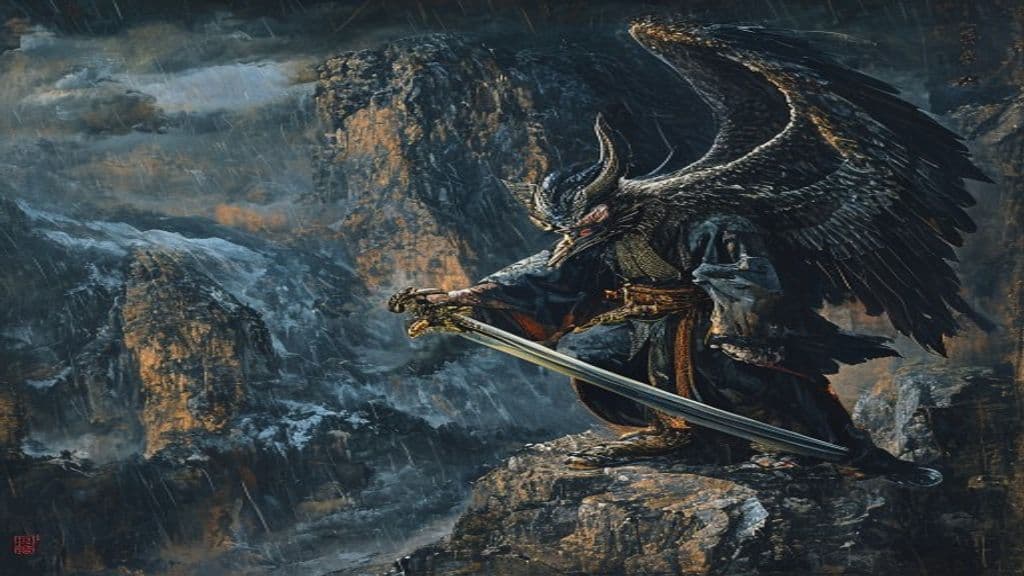
Tengu
Proud, warrior-like mountain spirits of Japan, associated with martial arts, pride, and the wild mountains. Neither fully good nor evil — they test and train warriors and monks, but punish the arrogant.
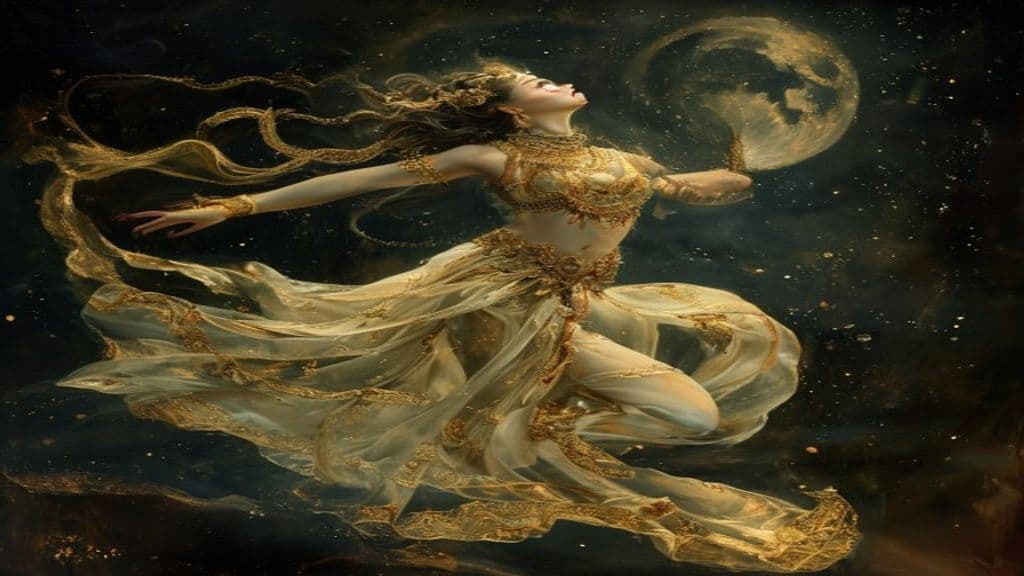
Apsara
Celestial dancers and water nymphs of Hindu cosmology — beautiful semi-divine beings who dance at the court of Indra and, by his command, descend to earth to distract sages from excessive asceticism.
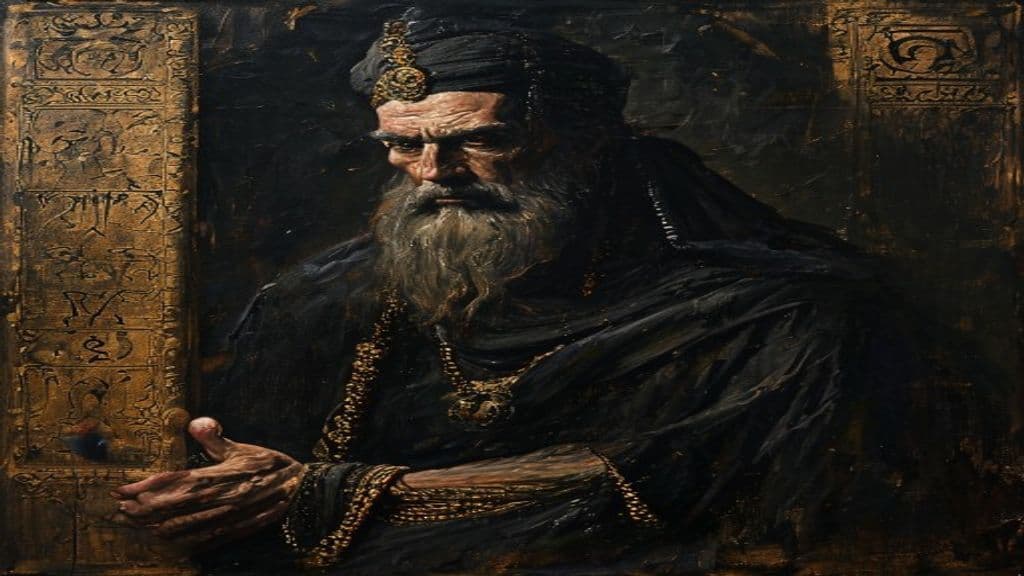
Apam Napat
Persian deity associated with water, creation, and the natural world. (Note: 1. Power tier: Apam Napat is mentioned in the Rig Veda, which is an Indo-Iranian text, but he is not described as a cosmic creator figure; rather, he is specifically credited with creating all things.)
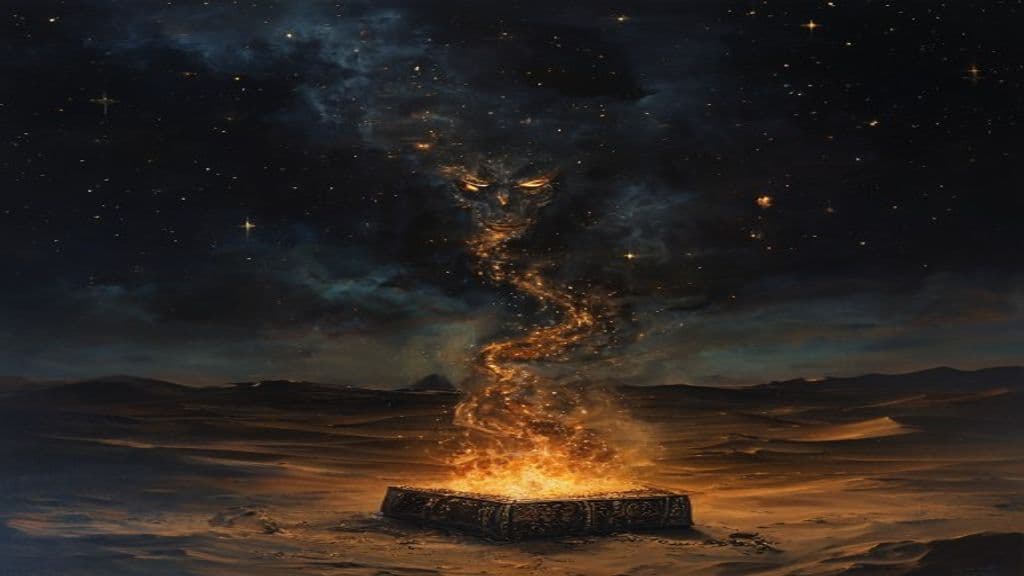
Djinn
The class of supernatural beings created from smokeless fire in Islamic cosmology — a parallel civilization to humanity, capable of belief or unbelief, with their own prophets, society, and judgment before God.
Community Record
- [1]Apaosha — Wikipedia. Wikipedia entry 'Apaosha' — summary of Avesta and later tradition, etymology discussion (as provided in research notes).wiki
- [2]AVESTA: KHORDA AVESTA (English): Yasht 8 - Hymn to Sirius. English text/translation of the Tishtar (Tishtrya) Yasht (Yt. 8) containing the account of the contest between Tishtrya and Apaosha.literary
- [3]Darmesteter — The Origin of the Avesta Religion (commentary). James Darmesteter's commentary summarizing the Yasht paraphrase in which Tishtrya complains Ahura Mazda that 'men do not worship me with sacrifice and praise.'academic
- [4]Bundahishn and Dadistan i denig (summaries referenced). Summaries (as collated in the provided material) describing later Middle Persian tradition situating Apaosha in the creation-era war over waters, his allies (e.g., Spenjagr) and opponents (Verethragna, Haoma, Apam Napat, fravashis, Vayu), and the reported attempt in Dadistan i denig 93 to pervert rains into harm.other
- [5]Khorda Avesta transcription (search archive). Textual resource referenced in research notes for Avesta Yasht material.other