
In Greek mythic tradition Artemis is the daughter of Zeus and Leto and the twin sister of Apollo; her birth is tied to the island of Delos, where Leto gave birth when barred from giving birth on solid land. Her name is attested in Mycenaean Linear B (a-te-mi-to, a-ti-mi-te) and its etymology is uncertain: scholars have proposed Pre‑Greek origins, links to Greek árktos ('bear') consistent with archaic bear cults, and Anatolian or other Indo‑Iranian parallels, but no consensus exists in the provided sources.
Literary and iconographic sources depict Artemis as a maiden huntress bearing a bow, arrows, and quiver, often shown between animals in the Potnia Theron motif (mistress of animals). The deer is sacred to her; some vase imagery (c. 570 BCE) even shows a winged Artemis between a panther and a deer. In certain cult contexts she retains theriomorphic associations—most notably bear-related imagery in rites such as the arkteia—so representations range from anthropomorphic huntress to animal-associated forms depending on locality and period.
Artemis roams forests and mountains with a retinue of nymphs as a huntress and protector of wild places and animals. She is kourotrophic (child-nurturing), invoked in childbirth and midwifery, and she can grant health or inflict disease, particularly concerning women and children. She enforces vows of chastity among her attendants and punishes transgressions in mythic narratives (for example, Actaeon transformed into a stag and killed by his own dogs; Callisto expelled after breaking a vow). She also intervenes in human affairs and ritual transactions—mythic episodes include her demanding sacrifice or substitution (Iphigenia narrative) and halting winds in the Aulis episode connected to the Trojan War cycle.
Weaknesses
- conditionobservance of proper ritual relations and taboos
Wards
- ritualcult propitiation and sanctuary worship
- conditionobservance of chastity vows and respect for sacred animals
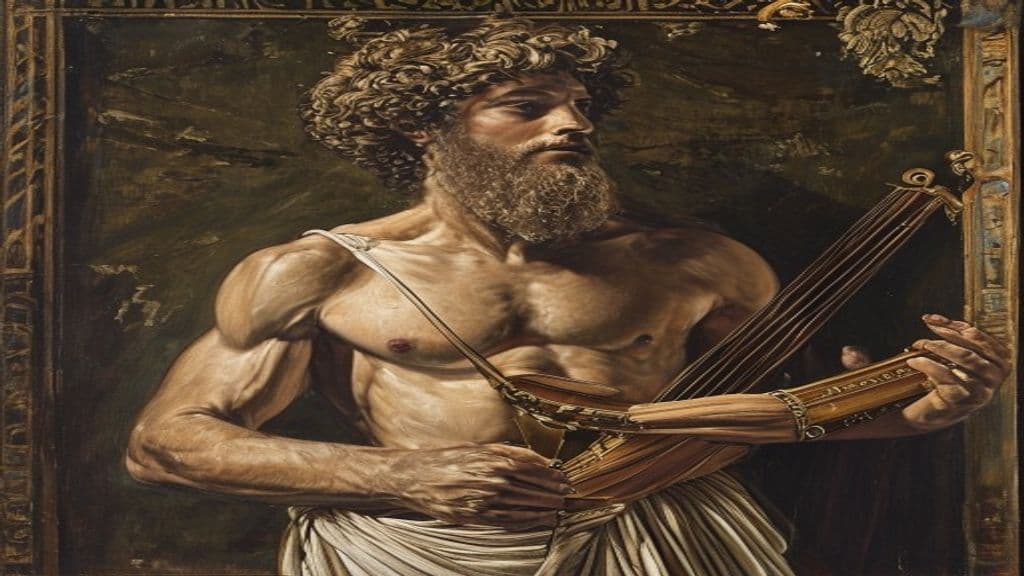
Apollo
Olympian deity of ancient Greek religion associated with prophecy, healing, music, archery, purification, and civic order. Principal patron of the Delphic oracle, protector of youth and flocks, and ambivalently both healer and bringer of plague.
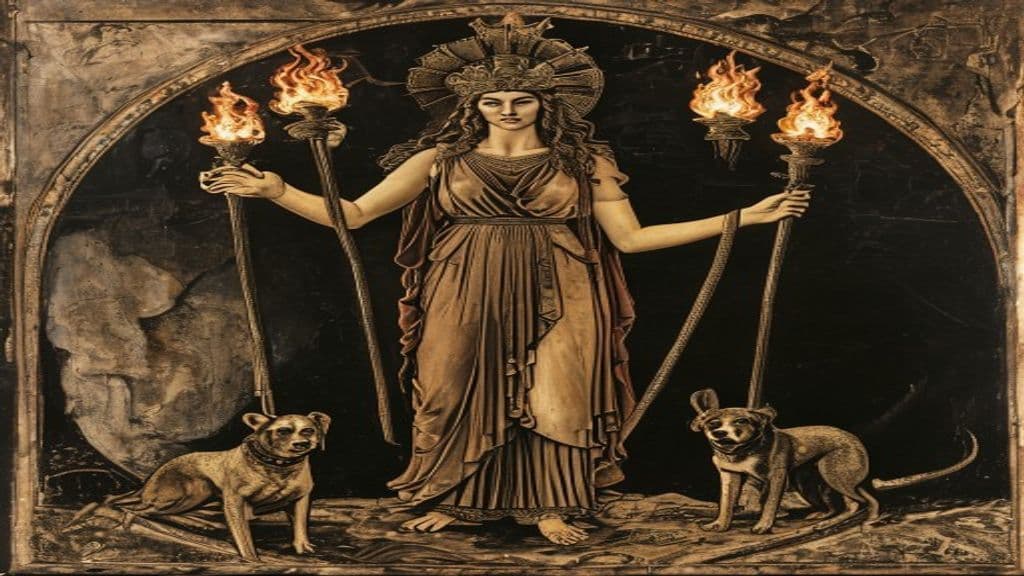
Hecate
Hecate (Ancient Greek: Ἑκάτη) is a liminal goddess in ancient Greek religion associated with crossroads, night, light, magic/witchcraft, the Moon, and household protection. She appears in early Greek poetry (Hesiod) with broad domains and in later traditions (notably the Chaldean Oracles) with expanded cosmological roles; she retained important regional cults, especially in Anatolia (Lagina) and had popular associations with witches in Thessaly.
Community Record
- [1]Artemis - Wikipedia. Wikipedia: 'In ancient Greek religion and mythology, Artemis (Ancient Greek: Ἄρτεμις) is the goddess of hunting, the wilderness, wild animals, transitions, nature, vegetation, childbirth, care of children, and chastity.' (accessed source material provided)wiki
- [2]Wikidata entry: Artemis. Wikidata: entry recording the name 'Artemis' (not used for cultic detail in synthesis)other