In traditional accounts the name points to the Atharvan priestly figure (Atharvan) and to allied lineages (Angiras, Bhṛgu, Brahma); an ancient verse in the corpus names the oldest form Atharvangirasah, indicating claimed association with both Atharvan and Angiras. Monier Williams and later tradition attribute to the mythical Atharvan the first composition of fire‑prayers, Soma rites and protective formulas to counteract disease and calamity. Scholarly etymology (Michael Witzel) reconstructs Atharvan to Proto Indo‑Iranian *atharwan, meaning an archaic priest/sorcerer and cognate with Avestan āθrauuan; textual scholarship dates the Atharvaveda's compilation in the late Vedic period (commonly placed c. 1200–1000 BCE or somewhat later) and notes a gradual acceptance of the text as the fourth Veda in canonical lists.
The Atharvaveda is a textual corpus rather than a corporeal being: a collection traditionally organized into 20 books containing roughly 730 hymns and about 6,000 mantras. Two principal surviving recensions are the Paippalāda and the Śaunakīya; a well‑preserved Paippalāda palm‑leaf manuscript was rediscovered in Odisha in 1957. The text exhibits multiple strata, including ritual hymns, medical/sorcerous formulas, a prose Brahmana (the Gopatha Brāhmaṇa) and later Upanishadic layers (e.g. the Muṇḍaka, Māṇḍūkya and Praśna Upanishads).
As a corpus the Atharvaveda does not act as an agent; rather it contains ritual formulas, charms and procedural knowledge that Vedic practitioner‑priests (atharvāṇas) used for household and social needs. Its contents include spells and procedures described as aimed to counteract disease and calamity, rites for initiation (upanayana), marriage, funerals, royal and court rituals, and medical‑sorcery material (notably attributed in part to Pañcāla traditions). Scholarly descriptions characterize it variably as a repository of popular/domestic ritual practice and, controversially, as a 'Veda of magical formulas'; it also preserves philosophical and ritual commentary layers.
Weaknesses
- otherNot applicable — sources do not attribute agency or vulnerabilities to the text itself
Wards
- mantraMantras and ritual procedures contained in the Atharvaveda (general reference)
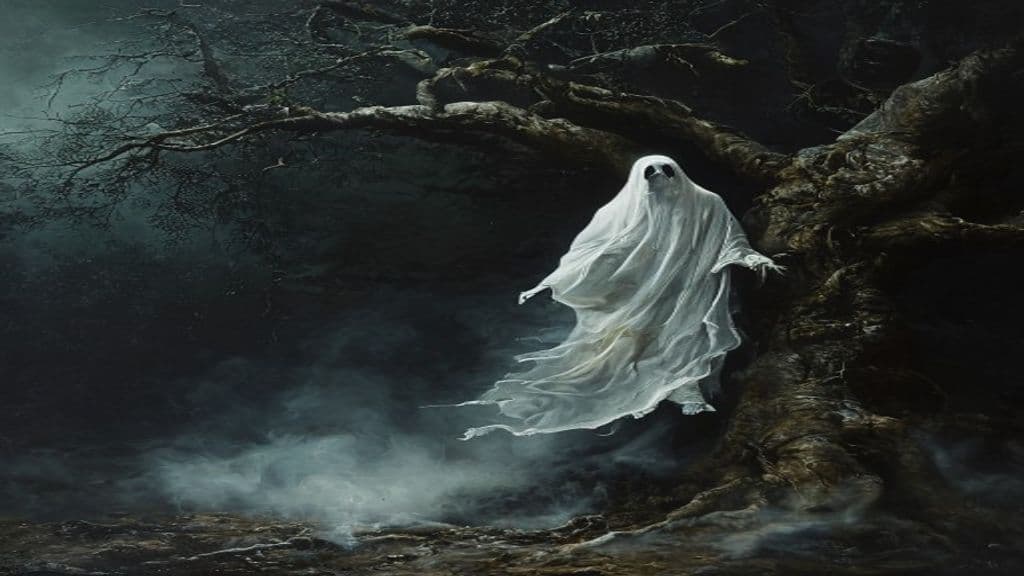
Bhoot
The common ghost of South Asian folklore — the lingering spirit of one who died violently, prematurely, or without proper last rites. A bhoot is the basic unit of South Asian haunting.
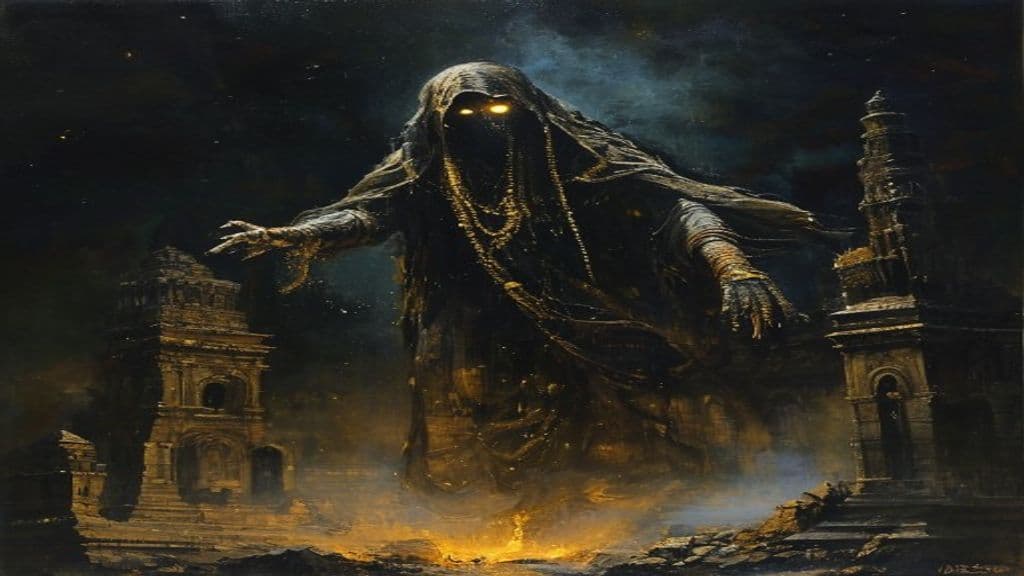
Brahmarakshas
The most learned and terrible of spirits — the ghost of a Brahmin who misused his scriptural knowledge in life and was condemned after death to be both demon and scholar, haunting places of learning.
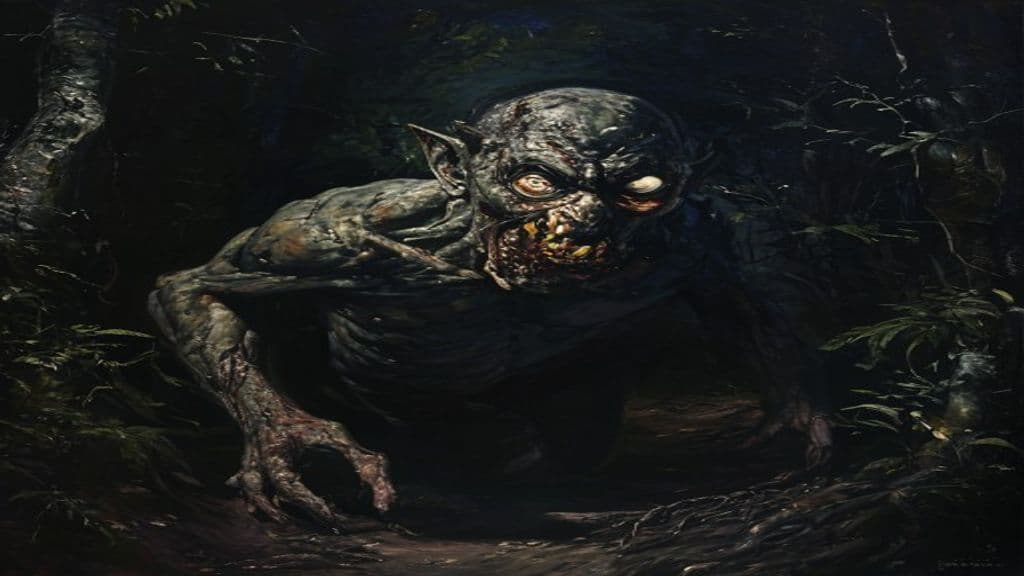
Pishacha
Flesh-eating spirits of Hindu mythology that haunt cremation grounds and are associated with disease, madness, and possession. The lowest class of demon in the Vedic hierarchy.
Community Record
- [1]Atharvaveda — Wikipedia. Wikipedia: 'Atharvaveda' article (accessed via provided research notes)wiki
- [2]Atharvaveda — Wikidata Q236092. Wikidata entry identifying Atharvaveda as one of the four Vedasother
- [3]Atharvaveda Bhashya (archive record). Archive catalogue entry for Atharvaveda bhashya editions (listed in research notes)other
- [4]Gopatha Brahmana — Wikipedia. Wikipedia: Gopatha Brāhmaṇa described as the prose Brahmana attached to the Atharvavedawiki