
The guardians are described in relation to the tradition of concealed lands (beyul or sBas yul) and the treasure‑revealer (tertön) institution: beyul are sacred valleys concealed across the Himalayas and Tibetan plateau and associated with Padmasambhava/Guru Rinpoche and Nyingma treasure traditions; tertöns discover beyul and their concealed treasures, and the guardian spirits are implicated both in keeping these places hidden and in mediating access when revelation occurs (Rubin Museum glossary; River at the Heart of the World; UofT conference notice). Their 'origin' in this literature is therefore not a single creation tale but a functional emergence from the intersection of local spirit categories and the Buddhist treasure‑revealer system that conceals and reveals sacred landscape (Rubin Museum glossary; River at the Heart of the World).
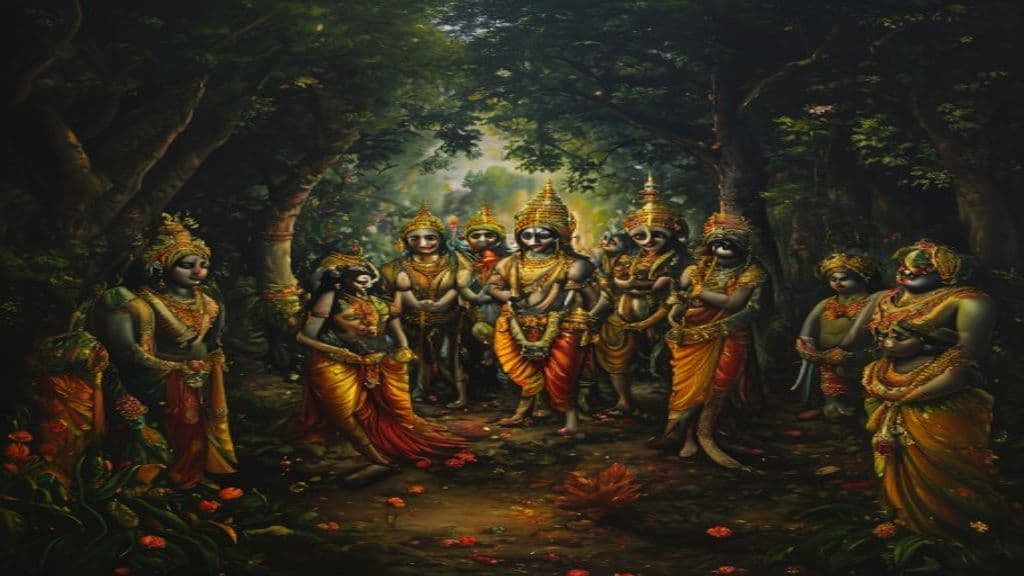
The supplied sources do not record a consistent, detailed morphology for beyul guardian spirits; descriptions emphasize role and function rather than a stable physical form. Sources note that Tibetan tradition recognizes a variety of powerful non‑human beings (for example, gandharvas and nagas) alongside beliefs in beyul, implying that guardians may be imagined in diverse, locally variable forms consistent with these categories. Narrative accounts of mountain travel also refer to 'gatekeepers of beyul,' a functional image rather than a uniform visual type (Project Himalayan Art glossary; Rubin Museum glossary; The Point Magazine / Climbing Kanchenjunga; River at the Heart of the World).
Sources describe beyul guardian spirits primarily as protectors and concealment agents: they make beyul 'indestructible' and 'fortress‑like,' preventing hostile forces from destroying these sacred valleys (River at the Heart of the World). They operate as gatekeepers controlling access to hidden lands and are implicated in the processes by which tertöns locate and reveal treasure‑sites, so interaction with them is mediated through tertön activity and ritual authorization (Project Himalayan Art glossary; Rubin Museum glossary; UofT conference notice). Ethnographic material from Himalayan contexts also shows local ritual practices that engage, appease, or expel spirits, indicating that communities actively negotiate spirit presence, though such practices are not specified for beyul guardians in the supplied sources (In the Kingdom of the Thunder Dragon).
Weaknesses
- conditionaccess contingent on tertön authorization and ritual negotiation
- otherno explicit weaknesses recorded in supplied sources
Wards
- ritualnegotiation/authorization by tertöns and qualified ritual specialists
- rituallocal communal spirit‑management rites (e.g., use of roti flour and gongs noted in Drukpa village contexts)
Gandharva
A class of non-human celestial or semi-celestial beings in Indic religions associated principally with music, song, dance, fertility, and an escort/guardian role for liminal arrivals (such as Soma or beings). In Hinduism they are minor deities and musicians of the devas; in Buddhist cosmology they are a low rank of devas and the term (gandhabba in Pāli/commentary) is also used doctrinally for a sentient intermediate state between death and rebirth.

Naga
Divine serpent beings of Hindu, Buddhist, and Jain cosmology — powerful guardians of water, earth, and underground treasures. Revered as deities in South and Southeast Asia.
Community Record
- [1]Glossary | Project Himalayan Art. Project Himalayan Art glossary entry on beyul and spirit categories (Rubin Museum Project Himalayan Art Glossary).academic
- [2]River at the Heart of the World. Arati Kumar-Rao, 'River at the Heart of the World' — discussion of beyul as indestructible, fortress-like valleys and connection to tertön tradition.literary
- [3]Hidden Lands in Himalayan Myth and History: Transformations of Beyul (sBas yul) through Time (UofT conference notice). University of Toronto conference notice on 'Hidden Lands' discussing beyul and tertön interactions.academic
- [4]In the Kingdom of the Thunder Dragon. Ethnographic account noting village rituals to manage spirits (example: use of roti flour and gongs to drive away spirits) in Himalayan/Drukpa contexts.academic
- [5]Climbing Kanchenjunga | The Point Magazine. Narrative account referencing local informants describing 'gatekeepers of beyul' in mountain travel narratives.folk
- [6]Facts and Details: Shangri‑la myth. Popular summary noting beyul as concealed lands and their association with spiritual refuge and healing.other