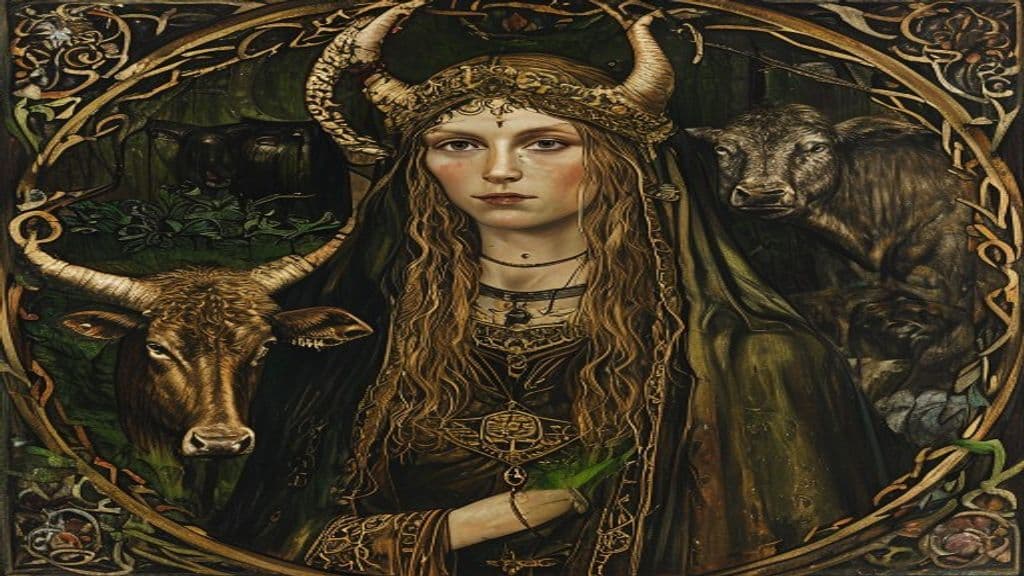
In the early Irish mythic corpus Brigid is presented as a daughter of the Dagda and thus a member of the Tuatha Dé Danann; sources (as summarized in modern accounts) place some narratives of her ownership of named herd animals and of deeds (e.g., inventing a night‑whistle, initiating keening) in texts such as the Lebor Gabála Érenn and Cath Maige Tuired, while Cormac's Glossary (Sanas Cormaic) presents her in a tripartite form—a poetess and two sisters 'Brigit the woman of leechcraft, and Brigit the woman of smithcraft'—leading scholars to treat her both as a singular goddess and as a triadic or titular figure. Medieval law glosses (the Bretha Bríg as recorded in Senchas Már glosses) attribute juridical adjustments and female‑focused legal prescriptions to a figure called Bríg Brethach, further embedding her as a model authority in social regulation.
The provided sources do not offer a consistent anthropomorphic portrait. Instead, Brigid is characterized by named mythic animals (the oxen Fea and Femen; the 'king of boars' Torc Triath; the 'king of wethers' Cirb) and by mythic acts recorded in medieval narratives (for example, inventing a whistle for night travel and initiating keening for her son Ruadán, as summarized from Lebor Gabála Érenn and Cath Maige Tuired in the secondary material). No standardized bodily description (clothing, height, coloration) is given in the cited summaries.
Sources attribute to Brigid poetic and prophetic inspiration (Cormac's Glossary calls her 'the goddess whom poets adored'), healing and leechcraft (one Brigit is called 'the woman of leechcraft'), smithing and metalcraft ('the woman of smithcraft'), protection and guardianship of livestock (ownership of Fea, Femen, Torc Triath, Cirb, and the animals' legendary cries when plundered), and social/judicial authority (the Bretha Bríg legal glosses). Medieval hagiographic and scholarly accounts note overlapping miracle motifs for Saint Brigid—multiplying food, bestowing cattle, controlling weather, association with fire and thermal springs—indicating continuity of these functional domains across pagan and Christianized traditions.
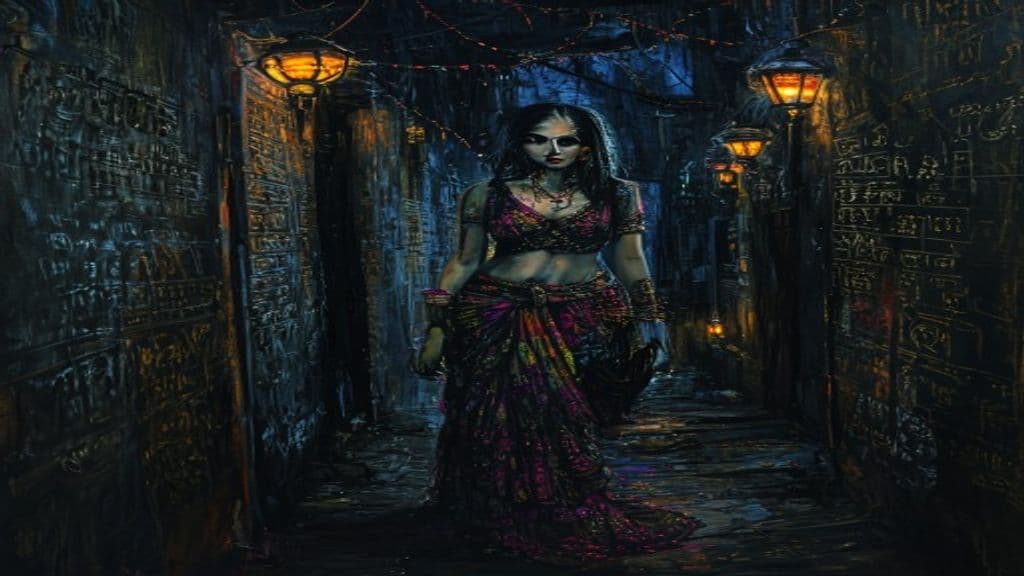
Stree
A vengeful female spirit from Chanderi who abducts men during festival nights. Warded off by the inscription 'O Stree, kal aana' — her legend, still practised on walls across Madhya Pradesh, inspired the 2018 Bollywood horror-comedy.
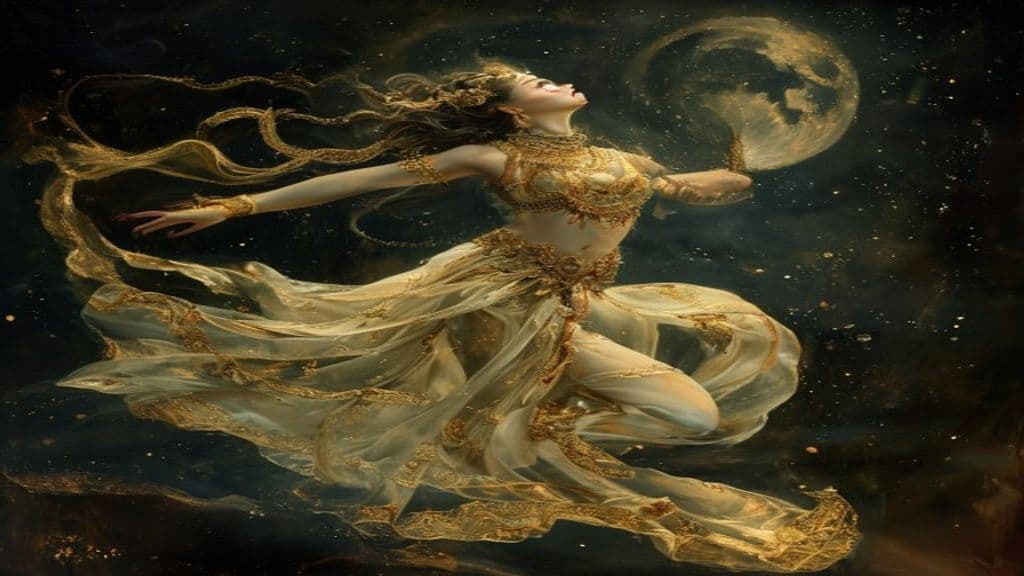
Apsara
Celestial dancers and water nymphs of Hindu cosmology — beautiful semi-divine beings who dance at the court of Indra and, by his command, descend to earth to distract sages from excessive asceticism.
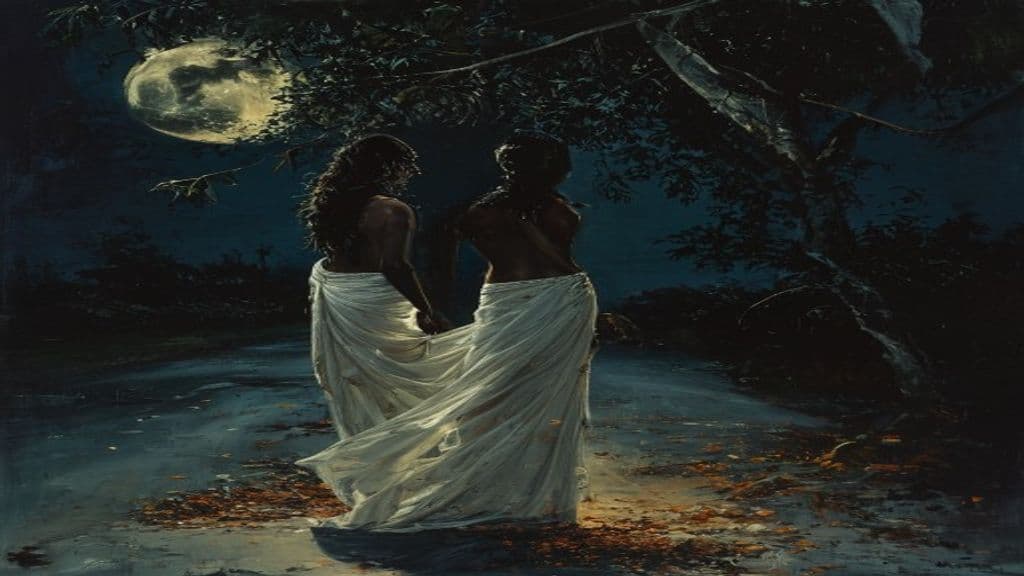
Mohini
South Indian spirit of a beautiful woman who died of a broken heart or by betrayal — she appears on roadsides at night, enchants men into following her, and leads them to ruin or death.
Community Record
- [1]Brigid - Wikipedia. Wikipedia contributors, 'Brigid', Wikipedia, The Free Encyclopediawiki
- [2]Brigid - Wikidata. Wikidata entry Q26235189other
- [3]St Brigid Celtic Anabaptist Community archived sermons (PDF). Archived collection (listed in research notes)other