The name Brunor (also attested Breunor, Branor, Brunoro) denotes multiple related human characters in the Tristan/Arthurian tradition attested in medieval sources such as the Prose Tristan, Thomas Malory's Le Morte d'Arthur, and the Italian La Tavola Ritonda. Chief among these is the young knight Brunor le Noir, introduced arriving at King Arthur's court in his murdered father's mangled and bloodied surcoat. The narrative frame presents Brunor as the son of a slain knight (also called Brunor in some cycles) whose vow—that he will not remove his father's coat until his father's death is avenged—drives his entry into Arthur's service and the ensuing quests. Across cycles Brunor functions as a 'Fair Unknown' type who must prove himself by combat and service, and in several traditions acts as a narrative double or companion to Tristan.
The most consistent visual detail in the sources is Brunor's mangled, bloodied surcoat: he travels to Camelot wearing his dead father's blood-stained coat and vows not to take it off until his father's slayer has been avenged. This damaged surcoat is the origin of his mocking sobriquet La Cote Mal Taillée and is central to his introduction at court. Apart from this emblazoned garment, medieval summaries do not provide sustained physical description (height, face, or consistent heraldic detail) beyond typical knightly equipment in the narrative context.
Brunor is portrayed as a skilled martial agent in literary terms: though several summaries note he is weak at jousting, he is described as exceptionally formidable on foot. Medieval prose episodes attribute to him victories or strong performances in foot combat (for example, defeating Lamorak on foot in one Tavola episode and engaging Lancelot in fierce combat under various circumstances). He composes lais and shares other cultural-habit traits with Tristan, and he repeatedly endures social tests and mockery without immediate rebuke. His conduct—vow-keeping, filial loyalty, patient endurance of insult, and persistence in questing—is consistently foregrounded in the narrative behavior as motivational and defining rather than supernatural power.
Weaknesses
- conditionsocial stigma from the bloodied surcoat and nickname La Cote Mal Taillée
Wards
None recorded.
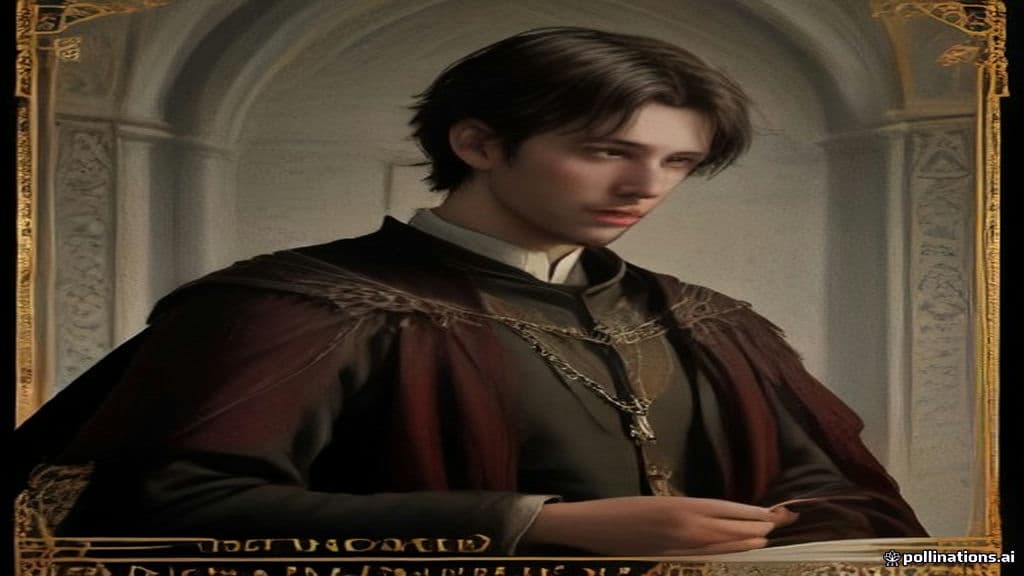
Gareth
Gareth is a literary knight of King Arthur's Round Table, traditionally presented as a younger son of King Lot and nephew of King Arthur. In medieval Arthurian romances (notably Thomas Malory's Le Morte d'Arthur and continental Vulgate/Post-Vulgate material) he functions as an exemplar of chivalric virtues—humility, martial skill, generosity—and as a narrative figure whose death helps precipitate the collapse of Arthur's realm.
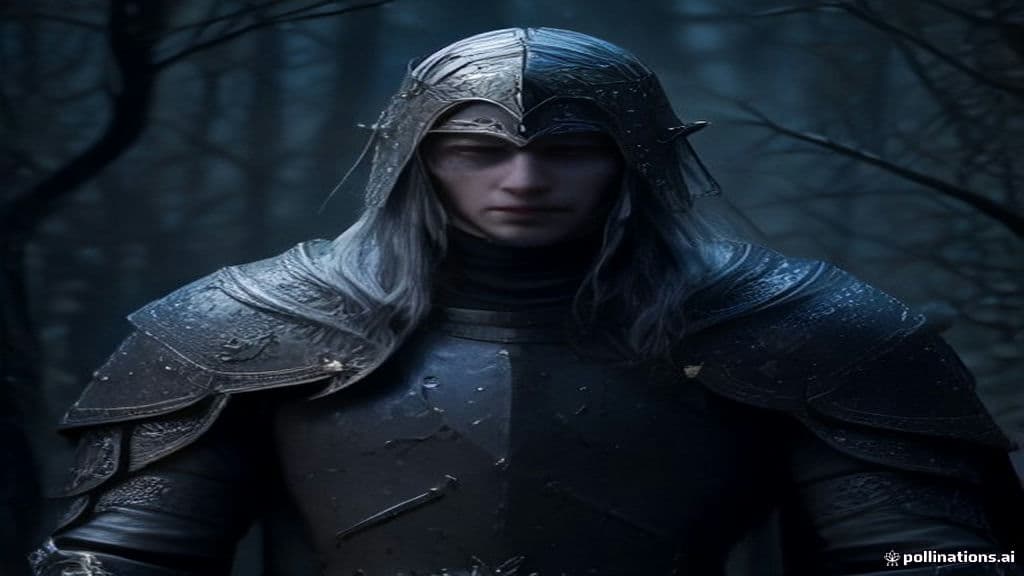
Dinadan
Dinadan is a fictional human knight of Arthurian romance, a member of King Arthur's Round Table best known as a pragmatic, comic, and cynical foil—especially to Tristan—appearing in the Old French Prose Tristan, later continuations, and Thomas Malory's Le Morte d'Arthur. He is portrayed as a competent but reluctant warrior, a teller of satirical commentary on chivalry and courtly love, and is killed in Malory during the internal collapse of Arthur's court.
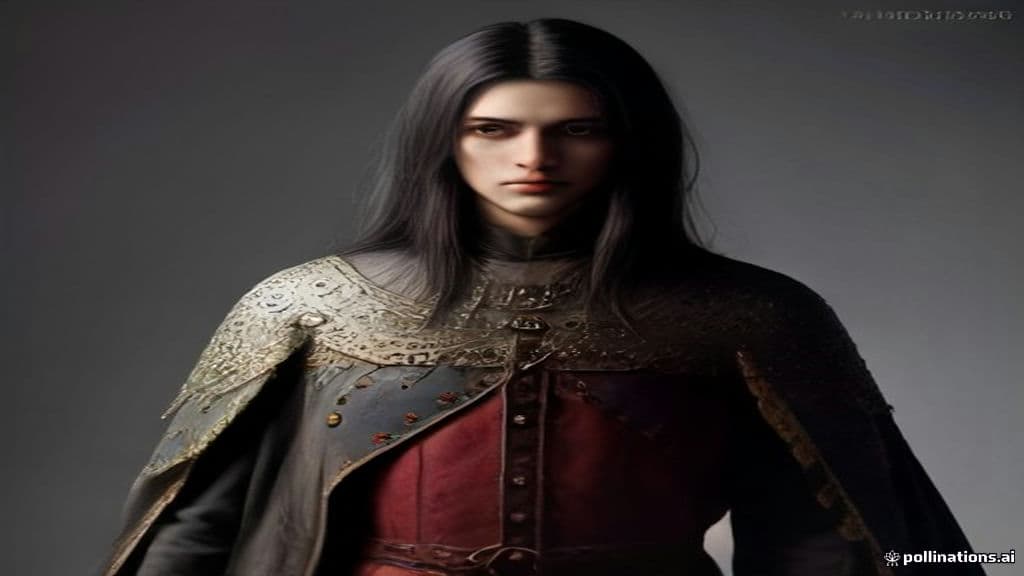
Dagonet
Dagonet is a named individual in the Arthurian literary tradition, variously portrayed as a Knight of the Round Table, a court fool/jester attached to King Arthur, or a deranged former knight. He appears across medieval prose romances (notably the Vulgate Cycle, Guiron le Courtois, Prose Tristan) and later retellings (Malory, Tennyson, Howard Pyle, nineteenth–twentieth-century pastiches).
Abdiel
Abdiel (Hebrew עֲבְדִּיאֵל) is primarily a theophoric Hebrew personal name meaning "servant of El/servant of God," attested once in the Hebrew Bible (1 Chronicles 5:15). In later literature—most notably John Milton's Paradise Lost—Abdiel is reimagined as a faithful seraph who opposes Satan's revolt. The provided sources do not treat Abdiel as an autonomous folkloric spirit type or record rituals or wards associated with the name.
Abiel
Abiel is attested in the supplied sources only as a male given name — borne by several historical American individuals and listed as two minor biblical figures. The provided materials contain no evidence presenting Abiel as a supernatural, mythological, or folkloric entity.
Abigail
Abigail is a female figure in the Hebrew Bible portrayed in 1 Samuel 25 as the intelligent and beautiful wife of Nabal who intervenes to prevent David from committing violence; later tradition regards her as one of the Tanakh's seven female prophets and as a model of beauty and wisdom.
Accolon
Accolon is a mortal knight of the Arthurian court, presented in the Post-Vulgate Merlin tradition and Malory's Le Morte d'Arthur as Morgan le Fay's paramour and instrument in a plot to supplant King Arthur; his tale centers on enchanted weapons (Excalibur and its scabbard), love-manipulation, and a tragic duel with Arthur.
Acionna
Acionna is a local Gallo-Roman water goddess attested by a single votive inscription found at a spring in the Orléanais region. The inscription, discovered by Jollois in 1822 and datable by style to the 2nd century CE, dedicates a portico and ornaments "AUG(ustae) ACIONNAE" and was recovered from the Fontaine de l'Étuvée in Orléans; archaeological work in 2007 uncovered remains of a Gallo-Roman temple and a section of an aqueduct at the site.
Admeto (Admetus)
Admeto is the legendary King of Thessaly from classical myth as transmitted into European opera (notably Handel's Admeto, HWV 22). Portrayed as a mortal tragic protagonist, his fate in the narrative is determined by divine oracular decree and by the actions of other mythic figures (Alceste, Apollo, Hercules) rather than by any innate supernatural power.
Adsullata
Adsullata is attested as a Continental Celtic river goddess associated with the River Savus (modern Sava) in the Roman province of Noricum. Later traditions record her presence in Brittany as a goddess of hot springs and present her as an antecedent or origin-form of the Anglo‑Celtic sun goddess Sul.
Afaon fab Taliesin
Afaon fab Taliesin is a medieval Welsh warrior-counsellor, named as a son of the bard Taliesin and recorded among Arthur’s retinue in Welsh tradition. He appears in the Welsh Triads and in the tale Breuddwyd Rhonabwy (The Dream of Rhonabwy) as a notable martial figure and proverb-speaker rather than as a supernatural being.
Aggi and Ebbi (lexical occurrences)
Aggi and Ebbi are not attested as folkloric beings in the supplied sources; they appear only as isolated word-forms in an Italian poetic excerpt and as capitalized letter-strings in a puzzle/solution transcript. No mythic identity, powers, or rituals are documented for these tokens in the provided materials.
Aglovale
Aglovale (also Agloval, Aglovan, Aglovaus, Acglavael) is a human knight of Arthurian romance, presented as the eldest legitimate son of King Pellinore and a Knight of the Round Table in the Vulgate/Post‑Vulgate cycles, Malory, and later adaptations. He brings his long‑lost brother Perceval to Camelot, takes part in military actions (including slaying Agrippa in one account), and his death is related in varying ways across traditions (accidental at Gawain's hand, deliberate murder by Orkney kin, or killed during Lancelot's rescue of Guinevere).
Agolant
Agolant is a literary Saracen king who appears as a recurring antagonist in medieval and Renaissance epic cycles (Matter of France). He functions as a human royal opponent to Charlemagne and his peers, supplying martial episodes, genealogical connections, and the transfer of legendary arms and horses in chansons de geste and later Italian romances.
Agravain
Agravain is a literary knight of Arthurian romance cycles: one of the sons of King Lot of Orkney, a member of the Round Table, and a recurring figure in French and English medieval prose and verse. He is portrayed as a skilled but morally problematic courtly knight whose jealousy, malice, and intra-familial violence drive key narrative conflicts (notably the slaying of Lamorak and the exposure of Guinevere).
Community Record
- [1]Brunor (Wikipedia). Wikipedia contributors, 'Brunor', Wikipedia, The Free Encyclopediawiki
- [2]Brunor (Wikidata). Wikidata entry Q15974033other
- [3]Runestone (1986) (Firebird Software) — Archive entry. Archive.org, Runestone (1986)(Firebird Software) — mentions 'Brunor the Bold' as an NPCother