In Vedic and later Puranic genealogies cited in the sources, Budha is described as a son of the moon (Chandra) and Rohini (or Tara in variant accounts). Later mythic genealogies and epic/Puranic narratives place him in relationships such as husband of Ila and father of the king Pururavas. The sources also note narrative material (e.g., Tarakamaya War episodes in later mythic accounts) connected to events that lead to his birth in some traditions; these appearances situate Budha within the broader celestial family of Vedic and Puranic beings rather than as an independent invention.
Iconographic descriptions in the sourced material depict Budha as a benevolent male deity with a green complexion, draped in yellow garments, holding a scimitar, a club, and a shield. He is commonly shown riding a chariot drawn by eight yellow horses. Some illustrations show him with four arms, and a temple depiction cited in the sources portrays him riding a lion.
The sources describe Budha primarily through two registers: astronomical and astrological. Astronomically, classical Sanskrit works (including Aryabhatiya, Panca Siddhantika, Khandakhadyaka, Surya Siddhanta and others) record and model the planet Mercury's motions (sidereal revolutions, apogee, epicycles, nodal longitudes, orbital inclination) with variant numerical parameters across manuscript traditions. Astrologically, as one of the Navagraha he is considered benevolent and is associated with an agile mind and memory; he rules the nakshatras Ashlesha, Jyeshtha, and Revati and gives his name to Wednesday (Budhavara). The sources do not attribute specific malefic possession phenomena or discrete magical ‘powers’ beyond these astronomical and astrological functions.
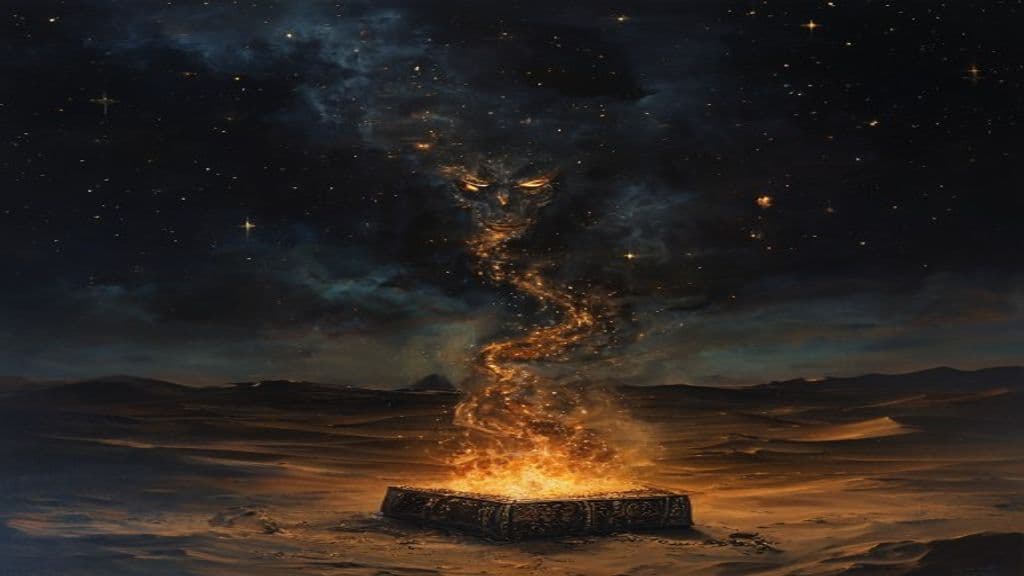
Djinn
The class of supernatural beings created from smokeless fire in Islamic cosmology — a parallel civilization to humanity, capable of belief or unbelief, with their own prophets, society, and judgment before God.
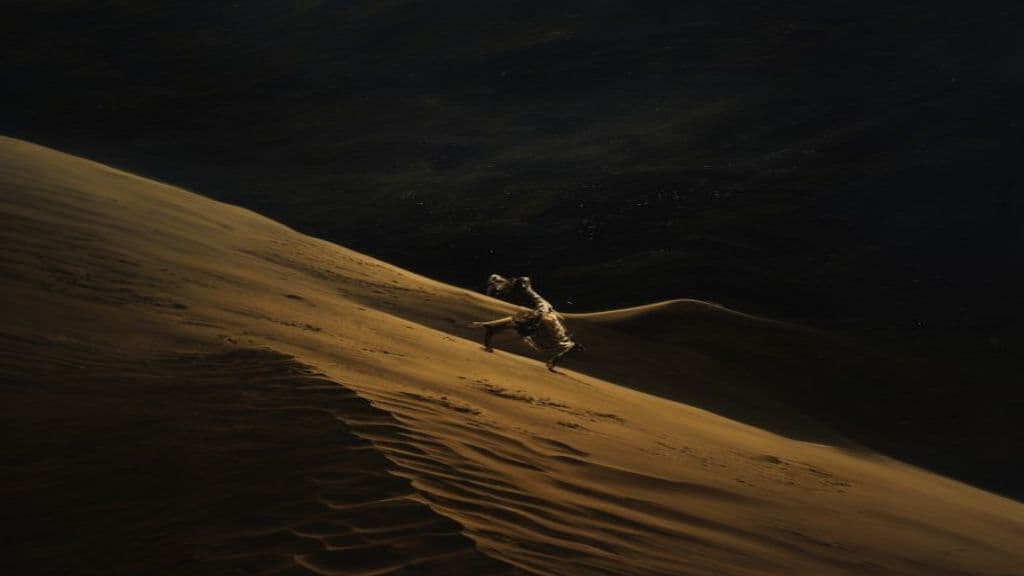
Jann
The weakest class of djinn in Islamic tradition, associated with desert winds and taking the form of snakes or whirlwinds, dwelling in empty wilderness and posing little threat to those who know the proper invocations.
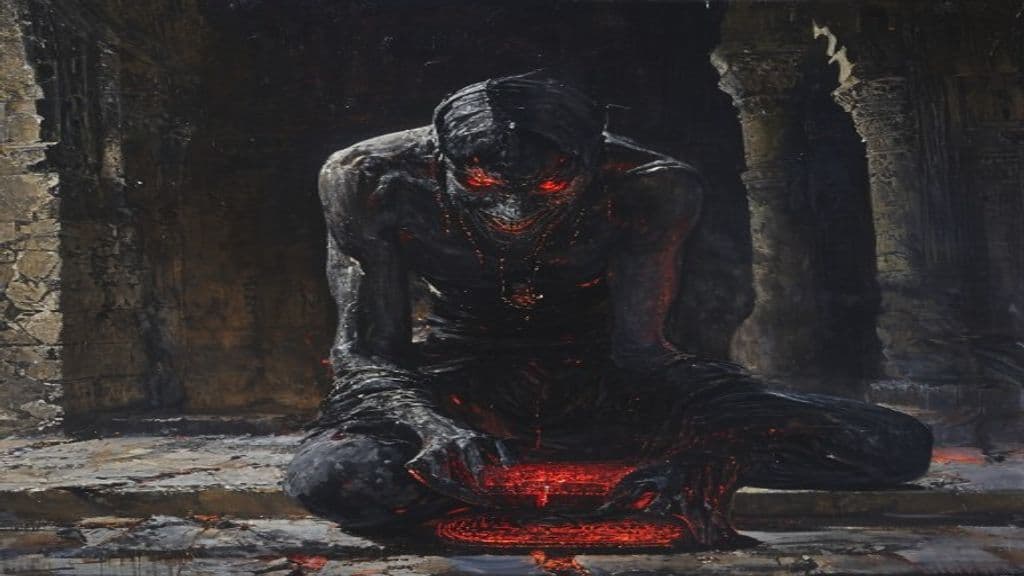
Shaitan
A class of corrupted djinn who follow Iblis and dedicate themselves to leading humans astray — distinct from Iblis himself, the Shayatin are a species of evil djinn who whisper doubts and temptations into the minds of the living.
Community Record
- [1]Budha - Wikipedia. Wikipedia, article 'Budha'.wiki
- [2]Wikidata: Budha. Wikidata entry Q851426 for Budha.other
- [3]BP Lama Jyotishavidya — Budha main page. BP Lama (Jyotishavidya) commentary pages on Budha (modern/commentarial astrological material).other
- [4]BP Lama Jyotishavidya — Budha Vimshottari Mahadasha commentary. BP Lama (Jyotishavidya) commentary on Budha in Vimshottari dasha context (modern/commentarial astrological material).other
- [5]JyotishVidya — The Point of Deepest Fall (Budha). JyotishVidya notes on Budha's astrological positions and points of fall.other
- [6]Classical Sanskrit astronomical treatises (cited collectively). References to Budha's appearance in classical astronomical works such as Aryabhatiya, Romaka, Panca Siddhantika, Khandakhadyaka, Sisyadhivrddida, and Surya Siddhanta as recorded in secondary summaries.academic