Calchus appears as a narrative figure interpolated into the Odyssey-cycle material: a later tale attested in the works of Parthenius of Nicaea recounts that while Odysseus stayed on Circe's island Aeaea, Calchus, king of the Daunians, fell in love with Circe and repeatedly sought her. After persistent courting and an offer of kingship, Circe used her sorcery to transform him into a pig; he was later restored to human form when his people came to secure his release and he swore never to visit or woo her again.
Sources provide no detailed original portrait of Calchus as a human. The only described change of appearance is that Circe enchanted him and transformed him into a pig during the episode; his restored human appearance after the intervention of the Daunians is noted but not described.
Calchus is portrayed as a mortal king without supernatural powers. His prominent behaviors are persistent courtship and the political gesture of offering kingship to Circe. He functions narratively as a suitor whose immoderate pursuit of a divine/magical figure elicits a corrective metamorphosis by that figure.
Weaknesses
- othermortal vulnerability to Circe's enchantments
Wards
None recorded.

Circe
Circe is a figure of Greek myth known as a practitioner of potent pharmacological and ritual arts who occupies a liminal status between goddess, nymph, and witch. She is famed for her knowledge of herbs and potions, her ability to transform humans into animals in narrative episodes, and for performing ritual purification in at least one classical source.
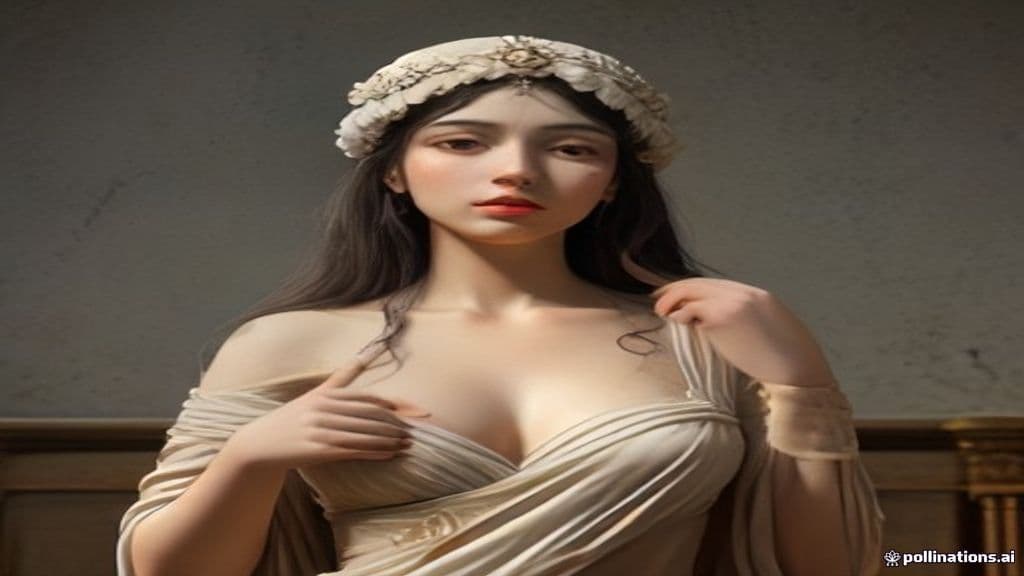
Penelope
Penelope is a legendary mortal queen of Ithaca in the Homeric epic tradition, famed for her marital fidelity to Odysseus and for using weaving as a stratagem to delay remarriage. Later commentators record etiological and folk-etymological tales linking her name to certain birds (pēnelopes) and to motifs of disappearance and return.
Community Record
- [1]Calchus — Wikipedia. Wikipedia contributors. "Calchus." Wikipedia, The Free Encyclopedia.wiki
- [2]Calchos — Wikidata. Wikidata entry Q3650492, Calchos.other
- [3]The lost tales of Miletus (archive). Archive.org scanned text including Parthenius material as cited in research notes.literary