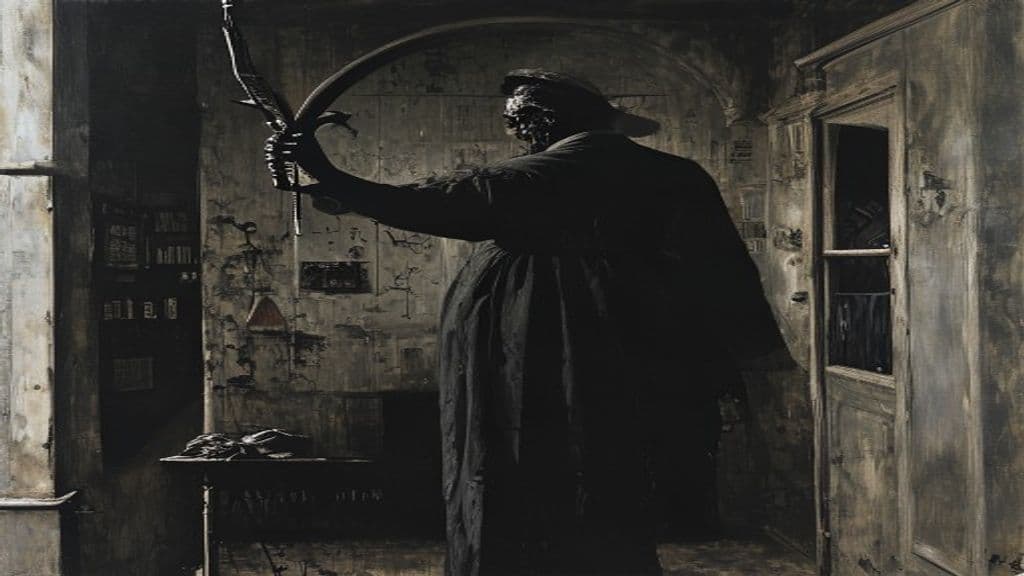
Accounts vary across the franchise. In the original source material and early films the figure is tied to Daniel Robitaille, described as a late‑19th‑century Black artist and son of a slave who was murdered; his violent death becomes the basis of the legend. The 2021 reinterpretation reframes the local retellings within Cabrini‑Green and sometimes identifies a 1970s amputee, Sherman Fields, as a wrongfully murdered man associated with the Candyman story. These differing origin accounts reflect layered, contested oral histories within the narrative world rather than a single uniform provenance.
Across the films the most consistently documented visual element is a single amputated hand associated with or wielding a metal hook. The figure is repeatedly tied to the appearance of a murdered Black man (period dress for the late‑19th‑century origin in earlier material; references to a 1970s amputee in the 2021 film), but specific clothing and facial details vary by installment and by which origin account is being retold.
The franchise presents Candyman as a summoned homicidal presence: in the 1992 film narrative, chanting his name five times in a mirror is the mechanism that calls him and precipitates violent killings, often described as victims being gutted with his hook. He functions not only as a physical killer but as a figure whose existence is sustained and reshaped by belief, storytelling, and communal memory; the 2021 film explicitly interprets him as a reflection of generational trauma and racial violence. The franchise also shows invocation and study of the legend destabilizing investigators, contributing to obsession, mental breakdown, or self‑sacrifice in some narratives.
Weaknesses
- conditionAbsence of invocation (not speaking the name into a mirror)
- conditionTethered to narrative/memory (franchise depicts him as sustained by stories and community belief rather than as an invulnerable cosmic force)
Wards
- ritualAvoidance of mirror‑name ritual
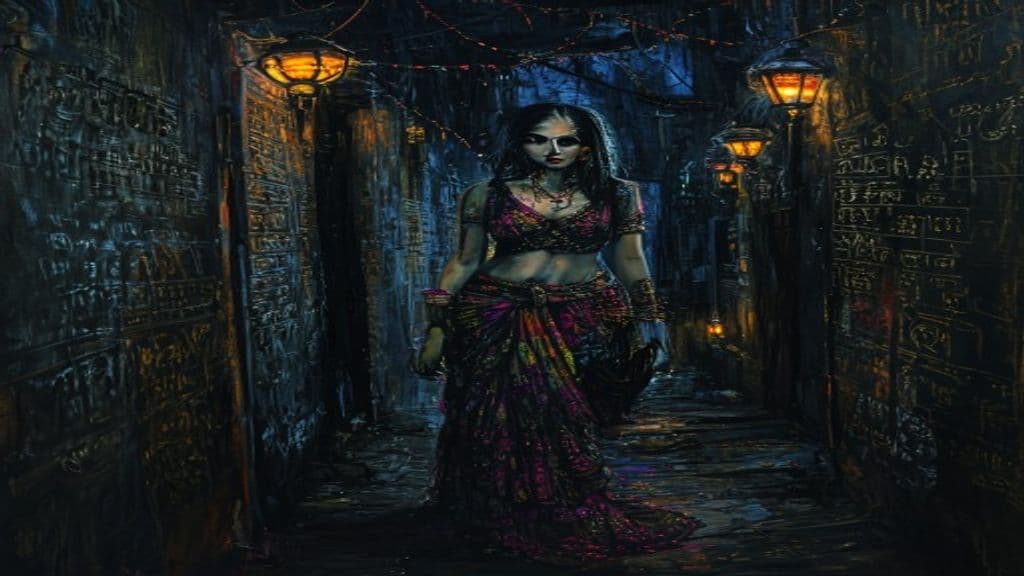
Stree
A vengeful female spirit from Chanderi who abducts men during festival nights. Warded off by the inscription 'O Stree, kal aana' — her legend, still practised on walls across Madhya Pradesh, inspired the 2018 Bollywood horror-comedy.
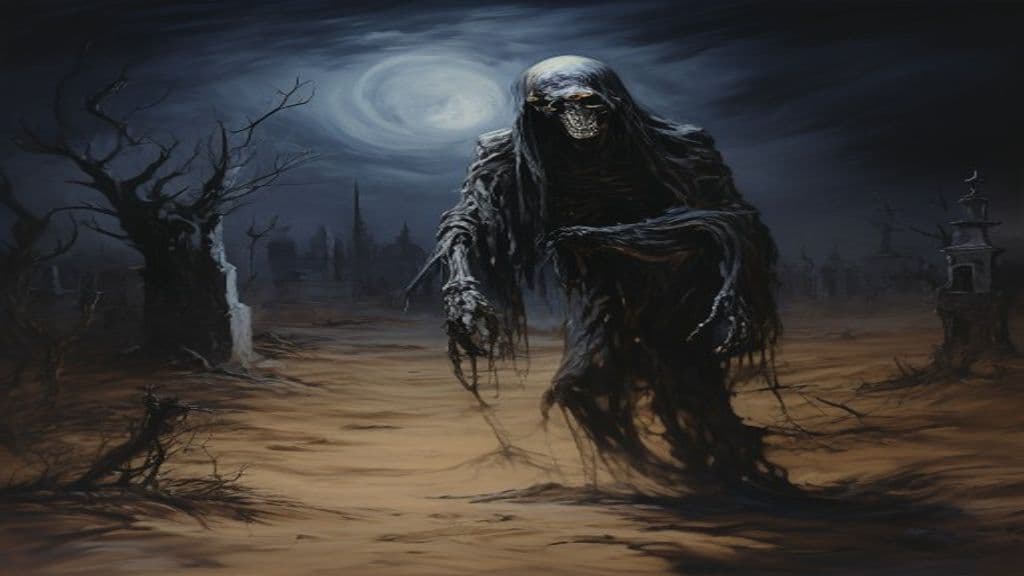
Ghoul
A grave-haunting demon of pre-Islamic Arab and Islamic folklore that feeds on the flesh of the dead and may eat the living. Can impersonate the dead to lure victims.
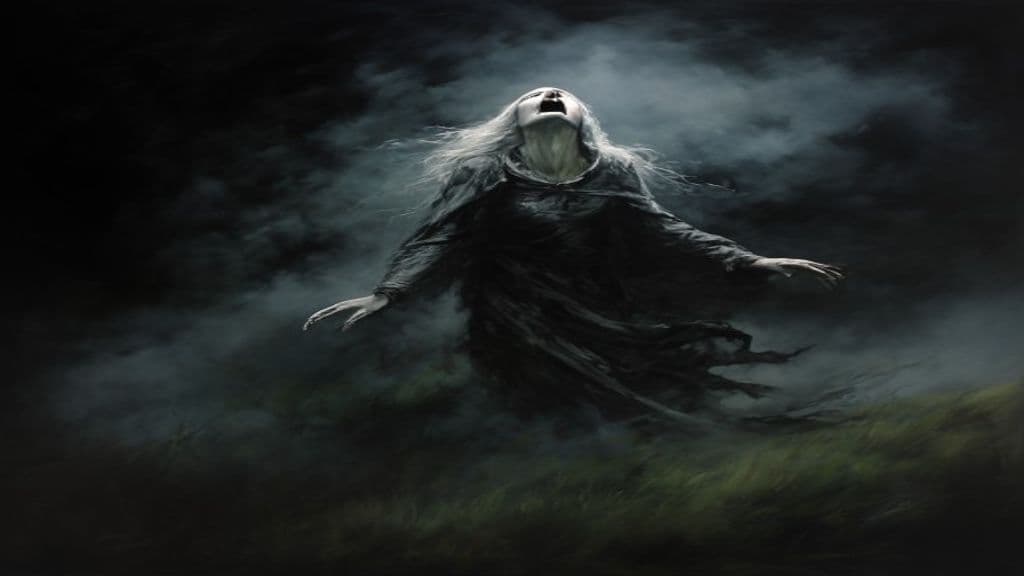
Banshee
A female spirit of Irish and Scottish folklore whose wail heralds an impending death in a family of Gaelic descent. Not a cause of death — a witness to it.
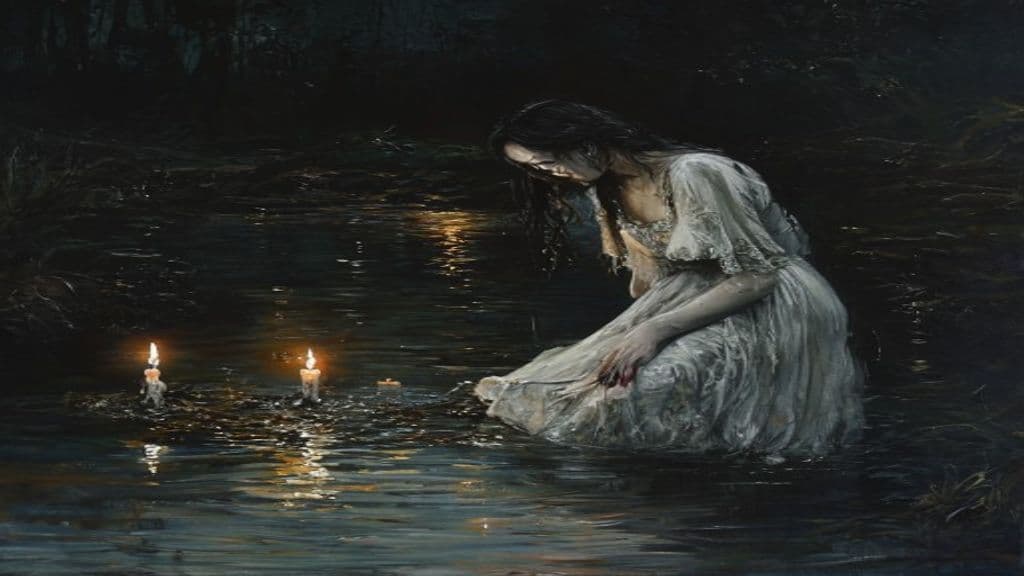
La Llorona
The Weeping Woman of Mexican folklore — the ghost of a mother who drowned her children and now wanders rivers and lakes, weeping for them and taking other children she finds at night.
Community Record
- [1]Candyman (film series) — Wikipedia. Wikipedia, 'Candyman (film series)' — summary material on origins, films, and 2021 reinterpretationwiki
- [2]Agents Of S.H.I.E.L.D. 'Principia' (podcast listing referencing Candyman film discussion). Archive podcast listing — references and discussion of Nia DaCosta's Candyman (2021) receptionother
- [3]Candyman / The Fellowship of the Ring - Episode 445 (podcast). Archive podcast episode listing — discussion of Candyman (2021)other
- [4]Legends Of S.H.I.E.L.D. #71 (archive listing referencing Candyman discussion). Archive listing including discussion and reviews of Candyman (2021)other