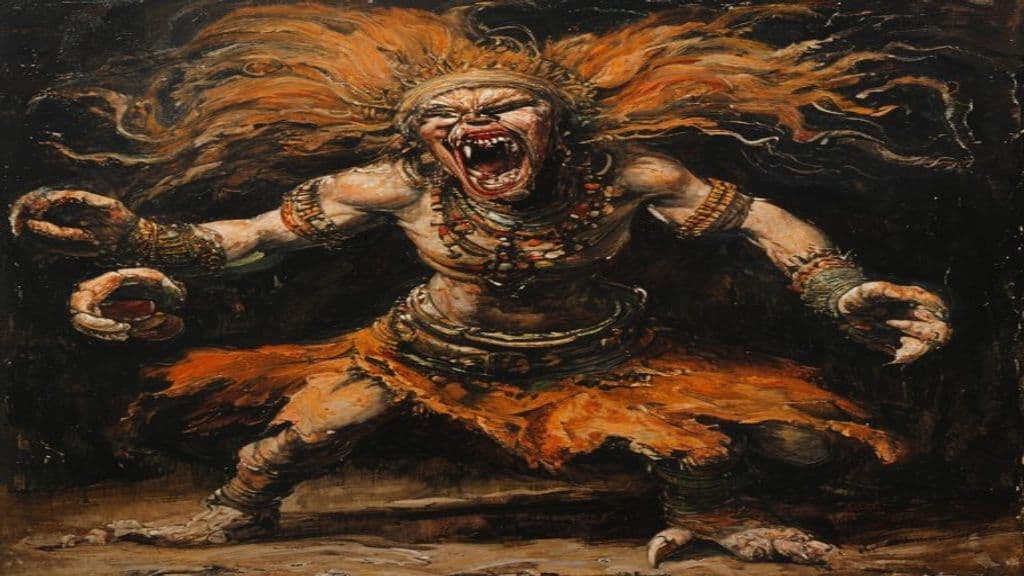
Within Aztec cosmology, women who died in childbirth were understood to have died in a valorized, battle-like experience; their deaths conferred a distinctive posthumous role. These women became Cihuateteo, a select group of the honored dead paired with male warrior spirits. They reside in Cihuatlampa, the west, and were assigned the daily cosmic duty of guiding the sun from noon into sunset (and in some accounts possibly through the underworld until sunrise). Their origin is therefore not a single narrative birth-myth but a social-theological transformation tied to the conceptual equation of childbirth with martial valor.
Iconography and descriptions vary but commonly render the Cihuateteo as fearsome, often martial female figures. Artistic traits recorded in sources include aggressive poses with clenched, claw-like fists, bared teeth and gums, unkempt or swirling orange hair, and clothing details such as skirts fastened with snake belts. Representations also employ postpartum imagery in divergent ways—some works emphasize pendulous breasts and folds that evoke failed or interrupted motherhood, while others depict taut stomachs or exposed breasts and prominent nipples—symbolic treatments that highlight the connection to childbirth rather than a single uniform anatomy. Site-specific images (e.g., El Zapotal) may add elements such as staffs bearing heads or flayed skins.
Sources describe a dual set of functions and folkloric behaviors. Cosmically, Cihuateteo were honored with the office of assisting the sun—guiding it into the west from noon until sunset and, in some suggestions, bearing it through the underworld. Folklorically, on five named days of the Aztec calendar (1 Deer, 1 Rain, 1 Monkey, 1 House, 1 Eagle) they were believed to descend to the human world and act as nocturnal, potentially dangerous spirits: haunting crossroads, and—according to belief—stealing children, provoking madness or seizures, and inducing men to adultery. These hostile activities are reported as cultural attributions made about them on those days rather than as empirically described ongoing behaviors.
Weaknesses
- conditioncommunity propitiation and shrines
- conditionguarding of the corpse to prevent relic theft
Wards
- ritualroadside shrines (appeasement)
- othermother-and-child protective figurine (hollow ceramic rattle held by the laboring mother)
- conditionarmed guarding of a woman who died in childbirth (protecting the body and potent remains)
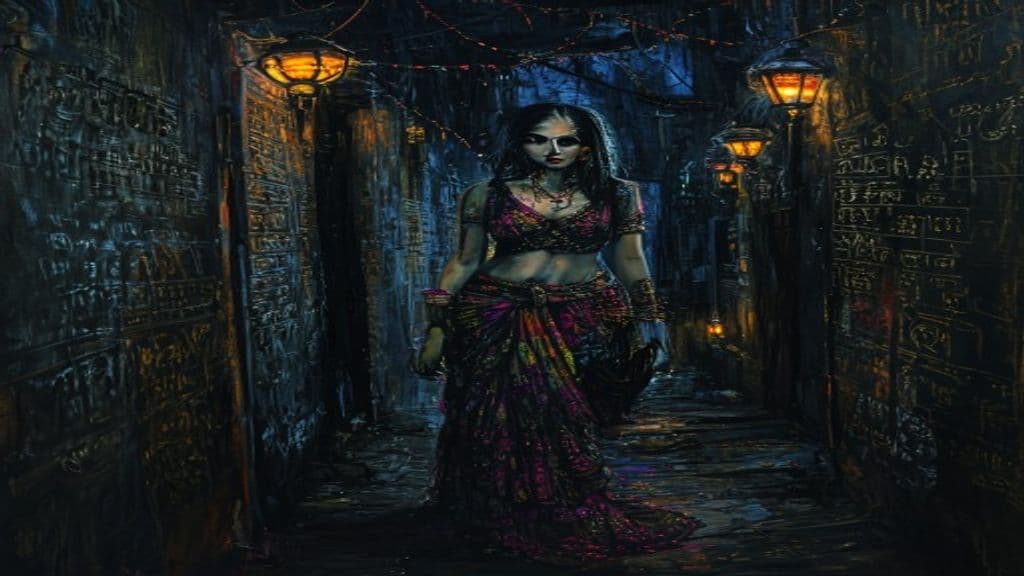
Stree
A vengeful female spirit from Chanderi who abducts men during festival nights. Warded off by the inscription 'O Stree, kal aana' — her legend, still practised on walls across Madhya Pradesh, inspired the 2018 Bollywood horror-comedy.
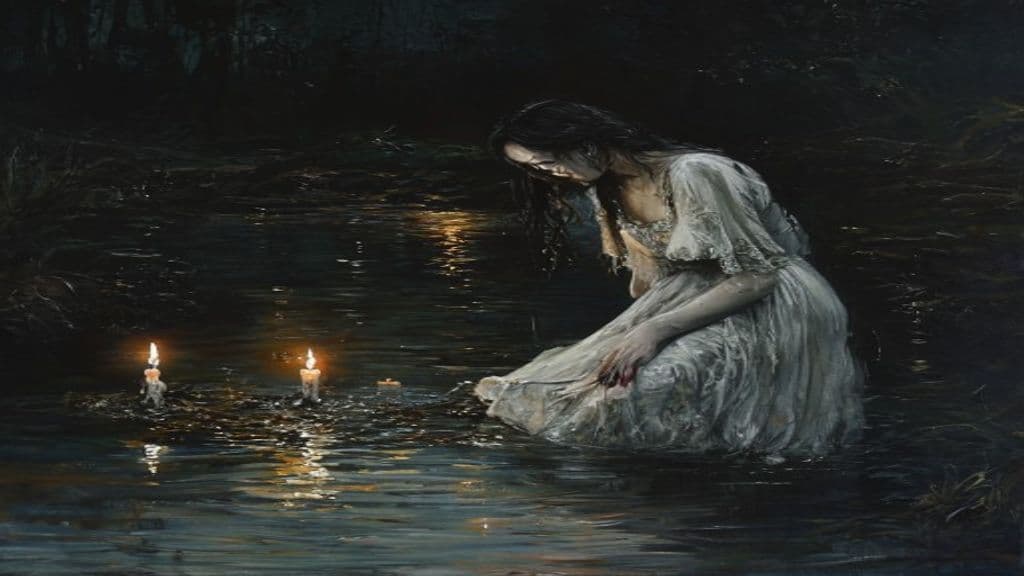
La Llorona
The Weeping Woman of Mexican folklore — the ghost of a mother who drowned her children and now wanders rivers and lakes, weeping for them and taking other children she finds at night.
Community Record
- [1]Cihuateteo (Wikipedia). Wikipedia: 'Cihuateteo' article (accessed via provided research notes)wiki
- [2]Wikidata: Cihuateteo. Wikidata entry for Cihuateteo (referenced in research notes)other
- [3]Mother-and-Child Figurine (Cleveland Museum archival record). Cleveland Museum / archive object record describing a hollow mother-and-child figurine with internal rattle and notes linking it to childbirth protection and the Cihuateteoother
- [4]Mother-and-Child Figurine (alternate archive record). Alternate archival record of the Cleveland Museum mother-and-child figurine referenced in research notesother