
Cressida is a cultivated medieval and Renaissance literary persona developed in western European retellings of the Trojan War. The figure emerges from adaptations of Homeric material in the Roman de Troie tradition; medieval storytellers initially used a form derived from Briseis (Briseida) and Boccaccio's Il Filostrato decisively shifted the name toward the form that becomes Cressida. Her name is also etymologically linked to Chryseis, though the medieval character is a distinct narrative creation used in love plots involving Troilus, Calchas, and Diomedes.
The provided sources do not give a sustained physical description beyond theatrical staging details in Shakespeare. In stage treatments she is presented as a human woman appropriate to Trojan-war-era drama (for example, Shakespeare records a scene where Pandarus leads her on stage wearing a veil). No distinctive supernatural morphology or consistent physical attributes are described in the supplied materials.
As a literary human character, Cressida possesses no supernatural powers in the cited sources. Her notable behaviors across treatments include pledging love to Troilus, being exchanged to the Greek camp because her father Calchas defects, and entering an affair with Diomedes while among the Greeks. Literary traditions often emphasize her inconstancy (the epithet 'false Cressida'), though Chaucer's Criseyde is rendered more sympathetic and Henryson's continuation depicts repentance and physical affliction (leprosy) as a later narrative development.

Diomedes
Diomedes (Ancient Greek: Διομήδης) is a hero of Greek myth, foremost among Achaean warriors in the Trojan War, later a king of Argos and a legendary founder of cities in Italy; some traditions report he received cult after death. The name also appears for other historical and modern persons and places but within the supplied sources refers primarily to the mortal heroic figure(s) of classical tradition.

Calchas
Calchas is a human Argive seer (mantis, oionopólos) of the Trojan War tradition, a member of a hereditary mantic family who interprets omens and entrails on behalf of Greek commanders and declares the will of Apollo to guide ritual and military decisions.
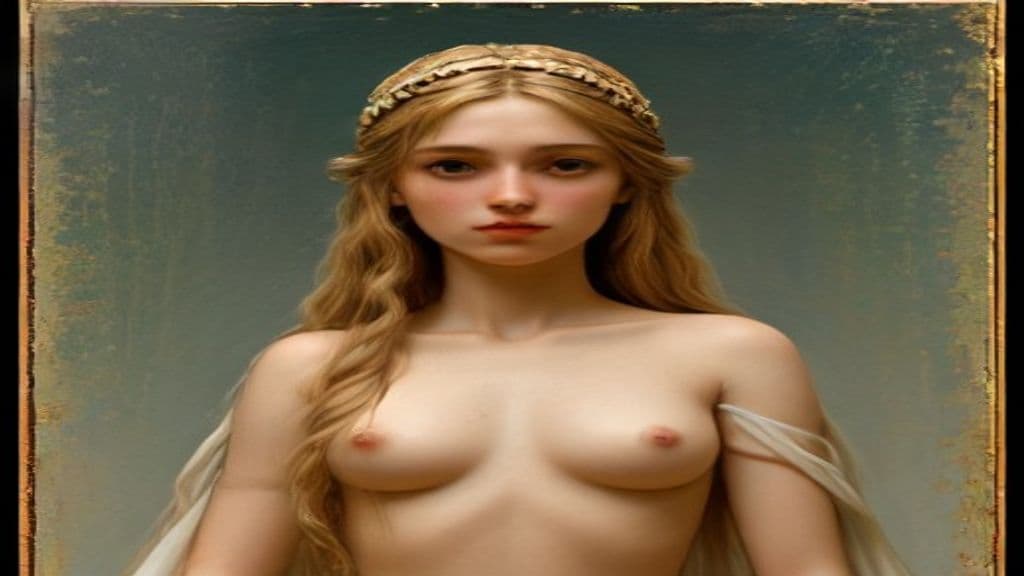
Chryseis
A mortal woman in Greek myth best known from Book 1 of the Iliad as the daughter of Chryses, a priest of Apollo, taken as a captive/concubine by Agamemnon; her father's supplication to Apollo and the resulting plague force Agamemnon to return her, illustrating the nexus of religious and political obligation in the epic. Later traditions give her personal names (Astynome) or rework her into medieval figures such as Cressida and, in some post-Homeric accounts, assign her children by Agamemnon.

Briseis
Briseis is a mortal woman in the Homeric epic tradition, captured at Lyrnessus and attached to Achilles as a war prize; her transfer between leaders (Achilles and Agamemnon) functions as a key social and moral symbol in the Iliad and later literary traditions.
Cockatrice
A medieval and early-modern Western legendary hybrid beast, typically described as a two‑legged serpent- or dragon‑bodied creature with the head and some features of a rooster; famed in bestiary tradition and later literature for a lethal gaze/touch and for arising from an unnaturally incubated rooster's egg.
Creidhne
Creidhne (Old Irish Credne) is the goldsmith and artisan of the Tuatha Dé Danann in Irish mythology, a member of the Trí Dée Dána who forged weapons and metal-works for the supernatural people and is credited with helping to fashion King Nuada's silver hand.
Crenaeus
Crenaeus is a minor named figure in Roman-era treatments of Greek myth, attested as a son of the rustic god Pan and recorded as a combatant killed during the Theban wars in Statius' Thebaid (Book IX). He is presented as a local, place-linked offspring figure that connects Pan to Theban riverine tradition rather than as an independently worshipped deity.
Creneis
Creneis (also spelled Crenis) is attested in classical sources as one of the fifty Nereids, the sea-nymph daughters of Nereus and the Oceanid Doris. Her attestation in the surviving material is genealogical: she appears as a named member of the Nereid cohort in name-lists rather than as an individuated figure with distinct myths, cult, or attributes.
Creon of Corinth
Creon of Corinth is a mortal dynastic king in Greek heroic tradition, portrayed in later Argonautic and Medea narratives as the ruler of Corinth who offers his daughter in marriage to Jason. His role is political and narrative—a royal father whose betrothal decision precipitates Medea's retaliatory magic—rather than supernatural.
Creon of Thebes
Creon (Kreon) is a mortal royal figure in Greek myth and tragedy, known as prince and later king of Thebes whose edicts—most famously forbidding the burial of Polynices—bring him into conflict with religious custom, prophetic authority, and family. He functions as a secular ruler whose insistence on civic order and law drives tragic consequences in the Oedipus cycle and related tales.
Cres
The provided sources treat Cres as an Adriatic island (toponym) in the Kvarner Gulf of Croatia with deep historical layering; no supplied material describes a supernatural being named 'Cres' or provides folkloric accounts, rituals, or powers attached to such an entity.
Cretan Bull
A singular extraordinary bull from Greek myth tied to King Minos of Crete; sent by Poseidon as a divine sign and later implicated in the birth of the Minotaur and in destructive rampages that heroes such as Heracles and Theseus are said to have ended by capture and/or sacrifice. Narrative details vary between traditions about its movements and the exact sequence of events.
Cretan Lie
A literary device used by Homer in the Odyssey, where Odysseus tells a false story to test Eumaeus' loyalty. (Note: - Power tier should be set to Ancient (deity-level), as it's a literary device used by a hero, not a cosmic entity. - Appearance: Include that it is a verbal construct, not physical. - Abilities: Clar)
Cretheus
Cretheus (Ancient Greek: Κρηθεύς) is a mortal king and eponymous founder in Greek mythic genealogical tradition, recorded as the founder-king of Iolcus and an ancestor in the Aeolid family whose descendants include Aeson and Jason. He functions primarily as a dynastic and narrative node rather than as a supernatural figure.
Creusa
Creusa (Ancient Greek: Κρέουσα, Kréousa, lit. 'princess') is a personal name borne by multiple female figures in Greek myth and local genealogies, including a naiad, princesses of Athens and Corinth, an Amazon depicted on a Cumaean vase, and Trojan-period wives and mothers. The name functions as an individual proper name across varied narratives rather than denoting a single mythic class.
Creusa (Glauce) of Corinth
Creusa (also called Glauce or Glauca) is a mortal princess of Corinth in the Argonaut/Jason–Medea cycle, daughter of King Creon, whose intended or actual marriage to Jason provokes Medea’s lethal revenge in the mythic narrative.
Community Record
- [1]Cressida — Wikipedia. Wikipedia, 'Cressida' entrywiki
- [2]Cressida — Wikidata. Wikidata item Q63509480other
- [3]Free Speech Nation : GBN : January 27, 2025 12:00am-2:01am GMT — Archive listing. Archive.org programme listing (contains no substantive material on the character)other
- [4]Headliners : GBN : September 23, 2023 5:00am-6:01am BST — Archive listing. Archive.org programme listing (contains no substantive material on the character)other