
Cynanthropy is not a single origin myth but an academic term and comparative motif. The English term (also kynanthropy) derives from Ancient Greek κύων / kúōn 'dog' + ἄνθρωπος / ánthrōpos 'man; human'. The label has been applied in scholarship to distinct phenomena—psychiatric delusion, folkloric shapeshifting, and accounts of dog-headed peoples—and was used in early 20th-century discussions (by at least 1901) to describe Chinese myths about humans and dogs, as recorded in secondary summaries.
Descriptions vary by context. As a folkloric motif it appears as (a) dog-headed peoples (cynocephali) described as humans with canine heads; (b) weredogs or cynanthropes who alternate between canine and human form or exhibit mixed human–canine anatomy; and (c) literary or fictional shapeshifters whose portrayals (packs, hidden communities) are used in modern fiction. In clinical accounts “appearance” refers to the subjective delusional belief of being a dog rather than a consistent supernatural morphology.
Accounts split by framing: in clinical contexts cynanthropy is a delusional belief (no supernatural powers). In folkloric literature the central ability is therianthropic shape‑shifting between human and dog forms or possessing mixed anatomy. Regional folklore (e.g., Timor, as summarized in comparative sources) attributes to some weredogs the capacity to transform other people into animals (often prey species such as goats) so the cynanthrope may devour them without discovery. Beyond those points, sources treat abilities variably and do not supply a single standardized power set.

Werewolf
A figure of European folklore of a human who can change into a wolf or wolf–human hybrid, variously portrayed as voluntary shapeshifter, cursed afflicted person, or clinical delusion (lycanthropy). Belief in werewolves was entwined with medieval and early modern witchcraft accusations and persisted into Gothic and popular fiction.
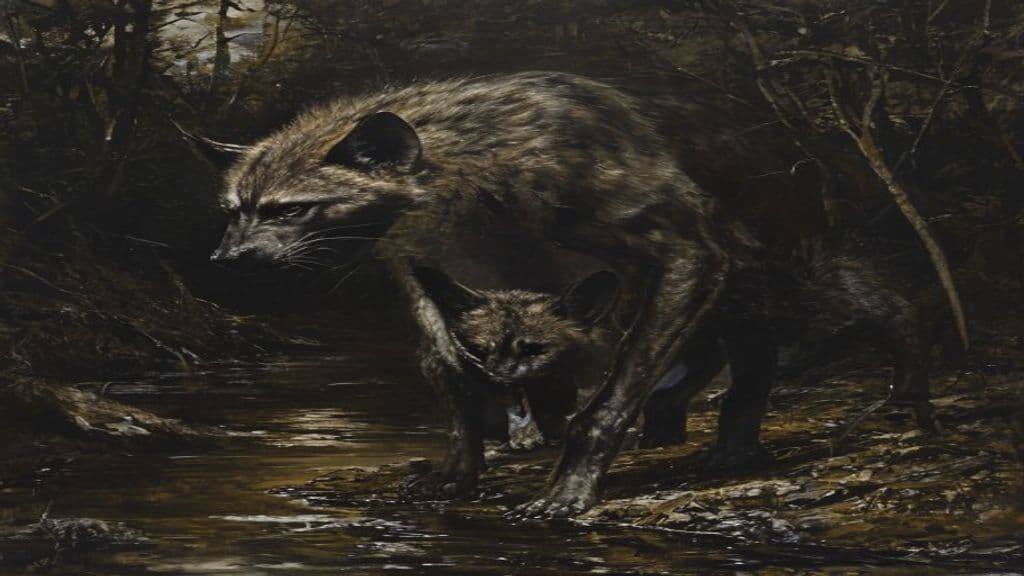
Werehyena
A supernatural being from Central African tradition and the Arabian Peninsula that can shapeshift between human and hyena forms. (Note: 1. Power tier: Should be "Greater" instead of "Ancient", as the source material does not describe the Werehyena as a deity-level entity. 2. Origin story: Should state that the origin is unknown or not)
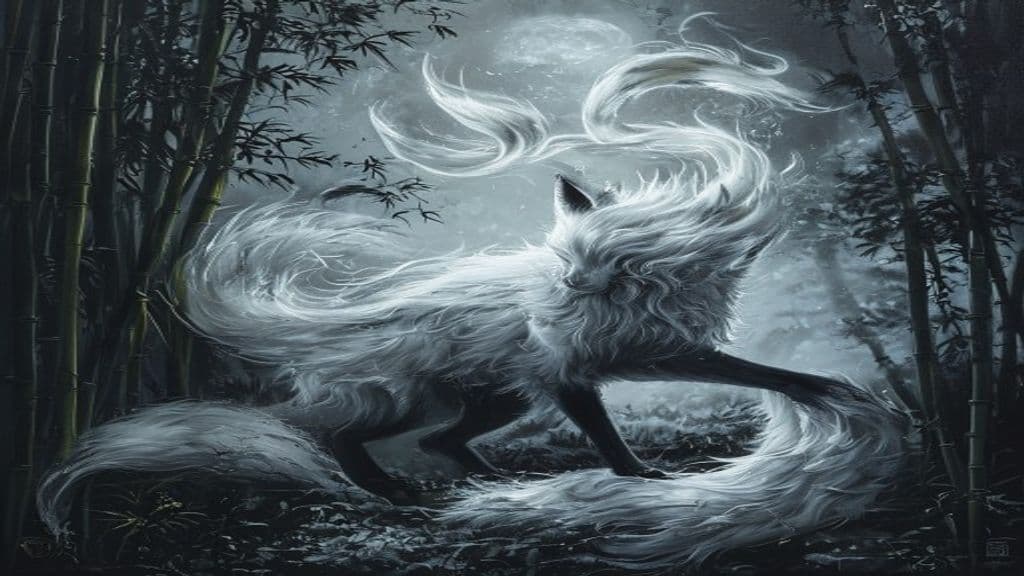
Kitsune
Fox spirits of Japanese mythology — intelligent, long-lived beings who gain additional tails (up to nine) as they age and grow in power. They serve as messengers of the god Inari and as powerful tricksters.
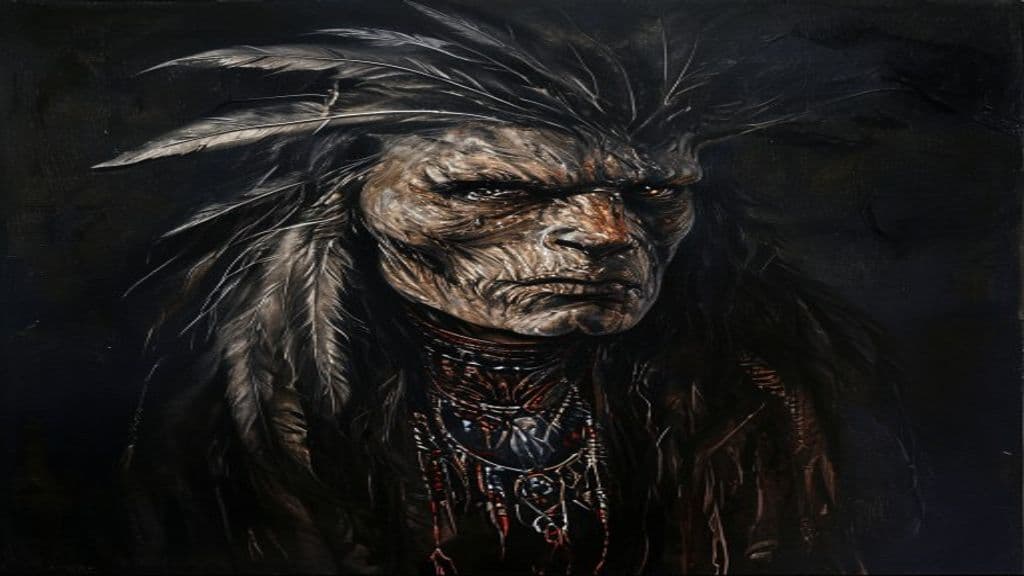
Skin-Walker (Navajo Tradition)
A malevolent entity in Navajo culture that can transform into animals or humans, causing harm to others. (Note: - Power tier should be Greater (powerful regional) instead of Primordial (cosmic). - Remove "A key characteristic" from Abilities and just state the characteristics. - No sensory cues, weaknesses, or )
Cymatolege
Cymatolege is attested in the supplied sources as one of the Nereids, the fifty sea-nymph daughters of Nereus and Doris in Greek mythology. The supplied materials contain no individual myths, etymology, or distinct attributes for Cymatolege; the same name is also used in a separate, non-mythological context as a genus of cyanobacteria.
Cymelus
Cymelus (Latin/Cymelos; Greek Kymelos) is a named Lapith warrior who appears in accounts of King Pirithous's wedding and the ensuing battle between Lapiths and Centaurs. In Ovid's Metamorphoses and later mythographic summaries he is recorded as being killed when the centaur Nessus hurled a spear that struck his groin.
Cymidei Cymeinfoll
A giantess from the Second Branch of the Mabinogi who lived under a lake in Ireland, gave birth to a fully formed and armed warrior every six weeks, and with her husband kept the Cauldron of Regeneration used to restore the dead (who returned mute). They appear as guests at Matholwch's court, survive an attempted killing, and later give the cauldron to Bendigeidfran.
Cymo
Cymo is recorded in modern reference lists as a named member of the Nereids, the class of sea-nymphs in Greek mythology. The available sources supply only the name and its categorization; no independent ancient attestations, narratives, or descriptive details for Cymo are provided in the supplied material.
Cymodoce
Cymodoce (Ancient Greek Κυμοδόκη, romanized Kymodokê) is one of the fifty Nereids, sea-nymph daughters of Nereus and the Oceanid Doris in Greek mythology. She is attested mainly in name-lists and brief literary mentions and functions as part of the collective of sea-nymphs rather than as an individually featured mythic figure.
Cymothoe
Cymothoe (Ancient Greek: Κυμοθόη, Kymothoê) is one of the fifty Nereids in Greek mythology, a daughter of Nereus and Doris. Etymologically glossed in modern reference as 'wave‑swift' and described in some summaries as associated with gentle, quiet waves, she appears in literary and artistic sources as a named sea‑nymph who can aid mortals at sea (notably in the Aeneid tradition assisting Aeneas).
Cynocephalics
In Egyptian tradition, cynocephalics are human beings with dog's heads. (Note: 1. The power tier should be Primordial, given the fact that cynocephalics are described as a widely attested mythical phenomenon existing in many different forms and contexts. 2. Add an origin story b)
Cynon ap Clydno
Cynon ap Clydno is a named heroic figure of medieval Welsh tradition: a warrior commemorated in the North‑Brittonic poem Y Gododdin and a courtly attendant of King Arthur in the Mabinogion tale often called "Owain, or the Lady of the Fountain." He functions as a martial exemplar, a teller of a failed questing episode that prompts subsequent action by Owain, and as one of Arthur's Three Counsellor Knights and an ardent lover of Morvydd in the surviving sources.
Cynosura
Cynosura (Ancient Greek: Κυνοσούρα, lit. 'dog's tail') is named in modern summaries of Greek myth as an Idaean nymph from Crete who helped nurse and conceal the young Zeus during his early years when he was hidden. The figure is attested in concise modern reference entries; additional uses of the lexical form 'Cynosura' in Greek place-names and star-lore are recorded but distinct from the nymph as presented in the supplied material.
Cynurus
Cynurus (Ancient Greek: Κύνουρος, Kúnouros) is an eponymous genealogical figure of Greek tradition, recorded as a son of the hero Perseus who led a colonial movement from Argos into the district called Cynuria. He functions in the sources as an ancestral founder and name-giver rather than as a supernatural being.
Cyphus (Κύφος)
Cyphus (Ancient Greek: Κύφος) is attested in classical sources as a town of Perrhaebia in ancient Thessaly, cited in Homer’s Catalogue of Ships as supplying 22 ships for the Trojan War and placed by Strabo at the foot of Mount Olympus. The name also appears in modern contexts (taxonomic entry, digital usernames, and media metadata) but the supplied sources do not present Cyphus as a supernatural being.
Cypress of Kashmar
A sacred cypress tree in Persian tradition, symbolizing the spread of Zoroastrianism. (Note: 1. Power tier is too low; based on its significance in Zoroastrian tradition, it should be Primordial. 2. Add sensory cues such as the scent of cedar or pine associated with cypress trees, and possibl)
Community Record
- [1]Cynanthropy — Wikipedia. Wikipedia, 'Cynanthropy' (summary of etymology, folkloric forms, regional notes including Timor and Central Asia, historical usages to 1901).wiki
- [2]Cynanthropy — Wikidata Q5199884. Wikidata entry summarizing concept as canine–human therianthropy and related uses.wiki
- [3]Cynanthropy (fictional synopsis) — Archive.org. Archive.org item 'Cynanthropy' (fictional summary used as a modern literary illustration of shapeshifter pack motifs).literary
- [4]Clinical lycanthropy — Wikipedia. Wikipedia, 'Clinical lycanthropy' (used as reference for psychiatric/delusional form of canine identity belief).wiki
- [5]Werewolves, Magical Hounds, and Dog-Headed Men in Celtic Literature: A Typological Study of Shape-Shifting. Academic typological study cited in comparative literature on dog-headed men and related therianthropic motifs.academic