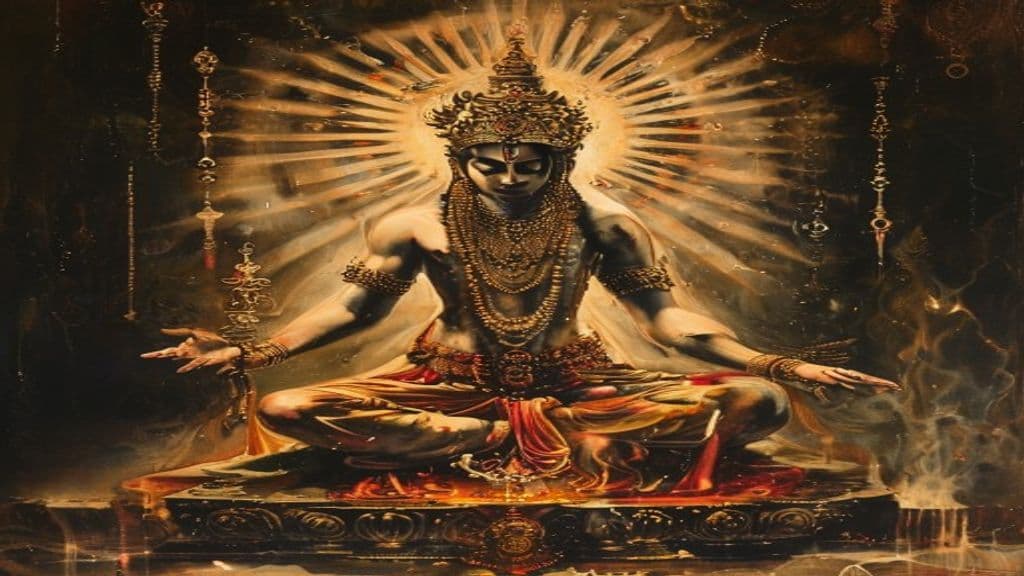
The category 'Deva' appears in the oldest Vedic hymns (the Samhitas) as one of the principal classes of supernatural beings, enumerated in some lists (for example, traditions that count thirty‑three devas) and invoked across ritual hymns. Early Vedic usage treats Devas alongside other supernatural categories (Asuras, Yakshas, Rakshasas) without a fixed moral polarity; Vedic hymns often praise individual Devas as supreme in turn (a henotheistic mode). Over time (late Vedic to post‑Vedic, e.g., the Itihasas and Puranas) the term comes to denote the generally benevolent gods opposed to Asuras. Etymologically, the Sanskrit deva (देव) derives from Indo‑Iranian *daiv‑ and Proto‑Indo‑European *deiwo‑, ultimately from the root *dyew‑ 'to shine' (cognate with Greek Zeus and Latin deus), a linguistic lineage cited in the provided sources.
The supplied sources do not give a standardized iconography or consistent morphological description. Descriptive emphasis in the texts and lexical dictionaries is on the semantic field 'shining', 'exalted', or 'heavenly', so Devas are characterized as radiant or brilliant beings. The sources also locate their abode with the etymological term Dyuloka (the heavenly realm). Beyond this radiance and heavenly association, no uniform physical features, attire, mounts, or numbers of limbs are provided in the excerpts consulted.
Within the sampled material, Devas are associated with cosmic functions and domains of nature and social order: named examples include Agni (fire, central to yajna), Indra (weather and storms), Surya (sun), Chandra (moon), Varuna (water, rain), and Vayu (wind/air). The sources state that some devas 'symbolize the epitome of a specialized knowledge, creative energy, exalted and magical powers (Siddhis)'. Devas are objects of ritual invocation (notably in yajna ceremonies where Agni and Soma are celebrated) and are portrayed as agents whose functions—sunlight, rain, fire, wind, moral order—affect human life. The textual development in post‑Vedic material typically frames Devas as the benevolent party contrasted with Asuras, while Vedic hymns present a more fluid, hymn‑centered exaltation of individual Devas.
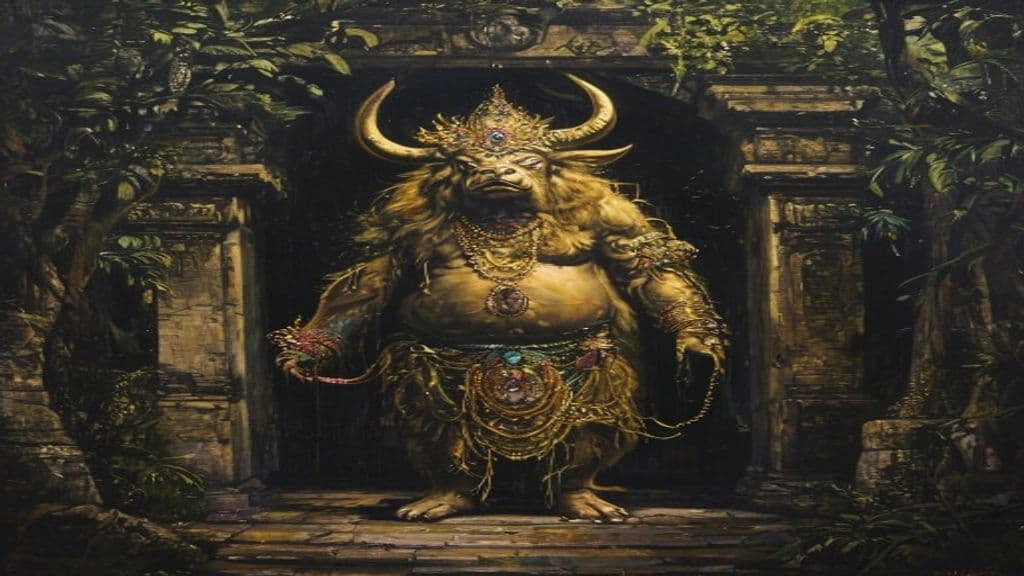
Yaksha
Nature spirits of Hindu, Buddhist, and Jain cosmology — guardians of forests, treasures, and wilderness. Ambivalent beings, capable of great benevolence to the respectful and terrible harm to the greedy.
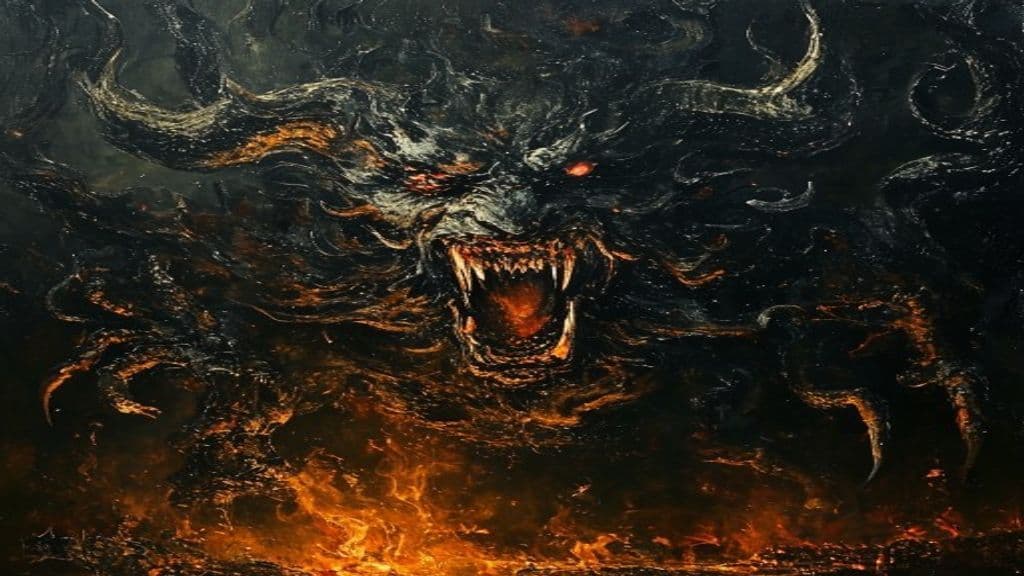
Rakshasa
A class of supernatural beings in Hindu cosmology — powerful, shape-shifting flesh-eaters who dwell in cremation grounds and desecrate sacred rites. The ten-headed demon king Ravana was their greatest representative.
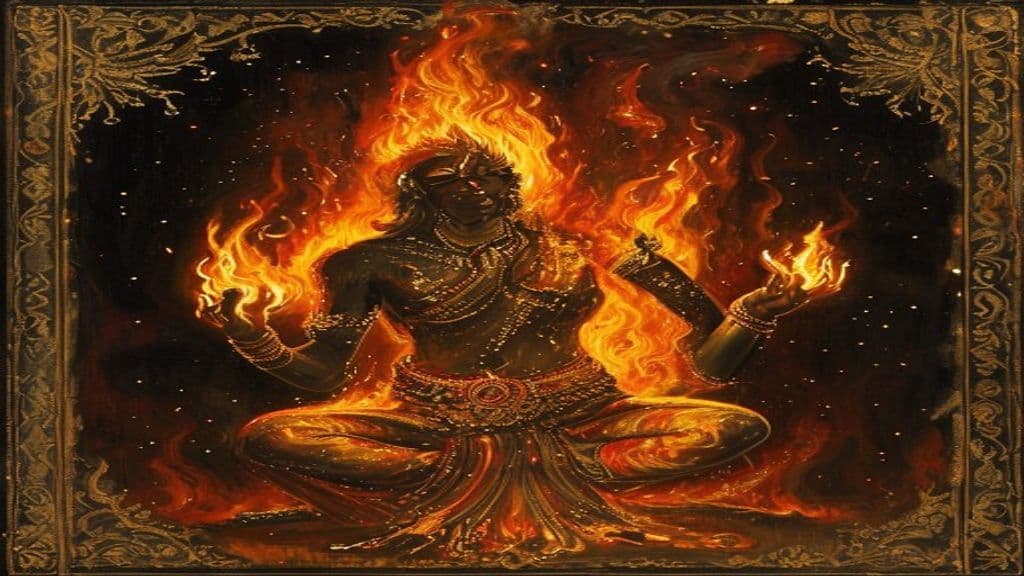
Agni
Agni is the Vedic personification of fire in Hindu tradition: a sacred, mediating principle that manifests as terrestrial fire, atmospheric lightning, and celestial sun, and that receives and conveys sacrificial offerings. Prominent in the Rigvedic corpus, Agni functions as sanctifier, witness of rites of passage, and a transformational inner principle in later Upanishadic literature.
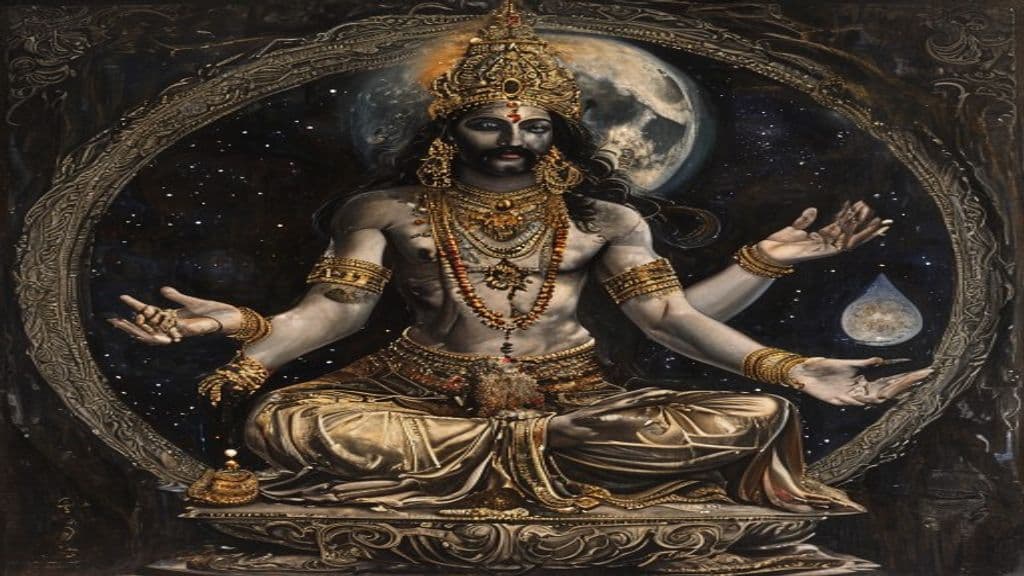
Chandra
Chandra is the Hindu divine personification of the Moon, appearing in Vedic, epic and Purāṇic literature. He functions as the lunar luminary, a member of the Navagraha (planetary regents), and is closely associated with plants/vegetation and the Vedic Soma tradition. Myths about Chandra include his marriages to the 27 Nakshatra personifications and the Tara–Brihaspati episode, in which his liaison produces the deity Budha and provokes cosmic dispute resolved by Brahma.
Community Record
- [1]Deva (Hinduism) — Wikipedia. Wikipedia, 'Deva (Hinduism)' (excerpted material supplied in research notes)wiki
- [2]Siddhi Vinischaya Of Anant Viracharya And Its Vritti Of Bhatt Akalanka. Archive.org catalog entry cited in research notes (no excerpted ritual text available in provided materials)other
- [3]Vol-15 Akhanda Sanhita (অখণ্ড সংহিতা-খন্ড-১৫). Archive.org item listed in research notes (catalog presence noted; content not excerpted for Deva ritual specifics)other
- [4]Nababarsher Bani (নববর্ষের বাণী). Archive.org item listed in research notes (included in provided material list; not used for additional claims about Devas)other