
In Sumerian mythic cosmology Dumuzid appears as a pastoral and vegetative divine figure whose seasonal death or descent to the Underworld explains the hot, dry summer and whose return restores fertility. He is presented as the husband/consort of Inanna (Ishtar); in the narrative world of Inanna's Descent he is judged to have failed to mourn the goddess and is taken to the Underworld as her substitute. Variants and later texts (for example the 'Return of Dumuzid') preserve divergent outcomes — some traditions emphasize his death, others a rescue/partial return — indicating multiple related narrative strands rather than a single canonical end-state. He also appears in king lists as an antediluvian or early king (local traditions name Bad-tibira, Kuara/Uruk and Lagash connections), situating him as both cult deity and mythical ancestral ruler.
The textual tradition supplies no single, consistent iconography; instead Dumuzid is characterized by functional and symbolic attributes. He is framed as 'Dumuzid the Shepherd' (Dumuzid sipad) and is associated with pastoral imagery (milk, cattle) and with date-palm and other vegetation. Literary texts include metamorphic imagery — for example Tablet VI of the Epic of Gilgamesh (as summarized in the sources) represents Tammuz as turned into an allalu bird with a broken wing — and some ritual texts equate or identify him with other local gods (for example Ama-ušumgal-ana or Ištaran) producing overlapping iconographic associations. Overall, the emphasis in surviving material is on pastoral and vegetative emblems rather than a fixed anthropomorphic portrait.
Dumuzid's functions in the sources are narrowly specialized and practical: he is invoked as a provider of milk, grain and cattle and is the personification of the vegetative life-force (texts call him 'my Damu' in contexts of sap and plant resurgence). Mythically he undergoes a death/descent that accounts for the dry, barren midsummer, and his absence and partial return form the explanatory core of seasonal agricultural cycles. He has little jurisdiction beyond these spheres — extant prayers are almost exclusively requests for material fertility goods — though one Assyrian inscription exceptionally petitions Tammuz, upon his Underworld descent, to take a troublesome ghost, showing a rare underworld petitionary role. Literary tradition also portrays metamorphosis (the allalu bird image) and involvement with Underworld agents (the galla demons who drag him down in the Inanna narrative).
Weaknesses
- conditionlimited jurisdiction — cult specialists petition him primarily for pastoral and vegetative goods
- othersubject to judgment and removal to the Underworld (as in Inanna's Descent); sources emphasize his vulnerability to being taken down by galla demons
Wards
- otherNo sustained wards attested — sources provide no consistent amulets or prohibitions aimed at keeping Dumuzid away; only ad hoc petitions to him in underworld aspect (e.g., Assyrian inscription asking Tammuz to take a ghost) are recorded

Inanna
Inanna is a major ancient Mesopotamian goddess, primarily worshipped in Sumer and later identified with the Akkadian Ishtar. Her domains include love, sex, war, political power, divine law and procreation; she is a principal cult figure of Uruk and bearer of the mes, the decrees of civilization.

Geshtinanna
Geshtinanna is a Sumerian goddess functioning as the underworld's chief scribe and a specialist in scribal arts and dream interpretation; mythically she is the sister of Dumuzi and participates in his death‑and‑return cycle, once residing in the netherworld for part of the year in his stead.
Ištaran
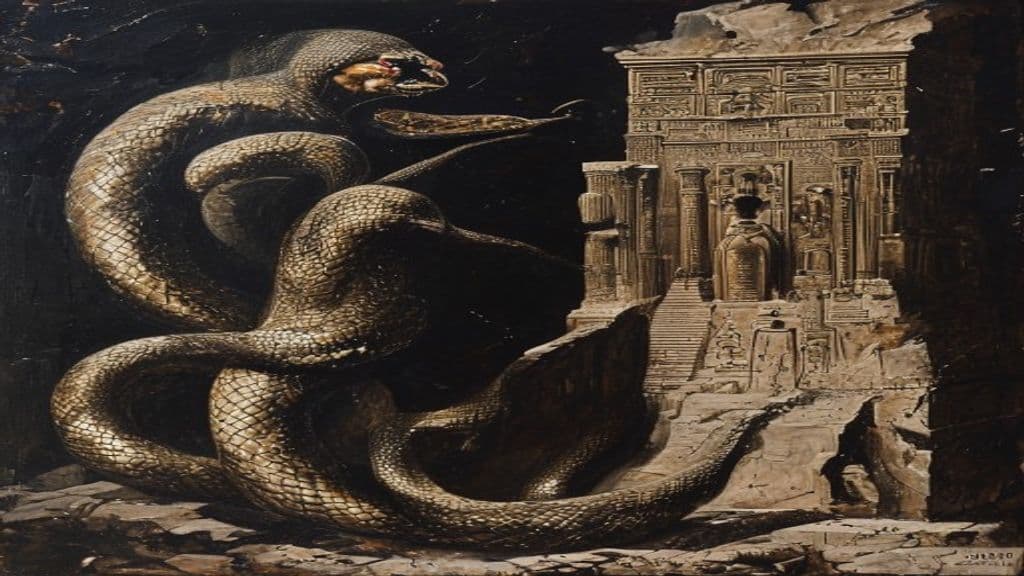
Ištaran is the tutelary deity and divine judge of the Mesopotamian city of Der. He is attested from the Early Dynastic period through the Middle Babylonian period, associated with serpents (especially the snake god Nirah), and was politically important in legitimizing local rulers; his cult statue was at times seized by Assyrians to secure the city's loyalty.
Adonis
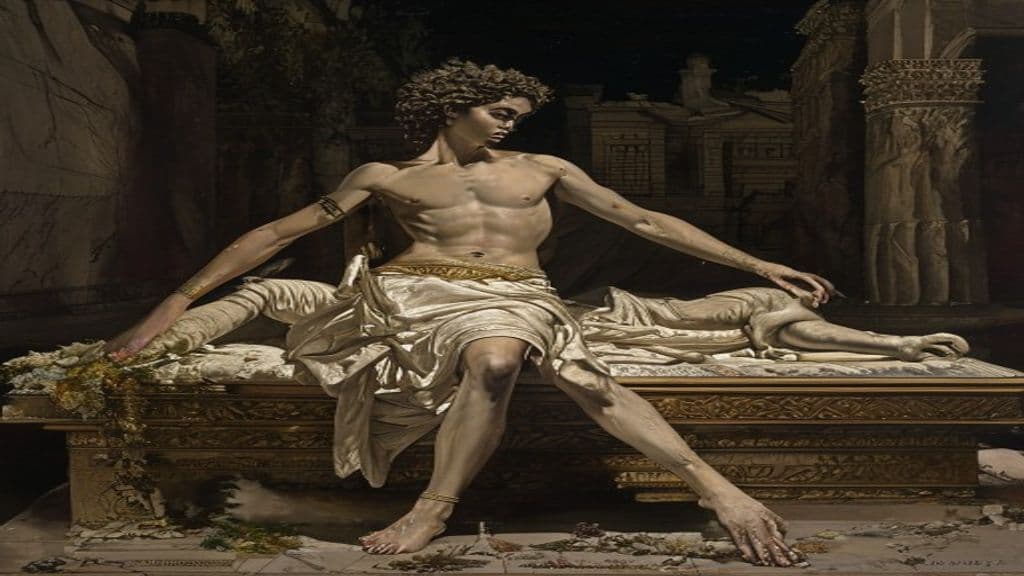
Adonis is a mythic mortal youth in ancient Greek tradition, beloved by goddesses (notably Aphrodite and Persephone) whose death and seasonal return are the focus of the women’s midsummer festival Adonia. The cultic practices—planting short-lived 'gardens of Adonis' on rooftops, ritual lamentation, and casting an effigy and withered plants into the sea—symbolically link him to vegetation cycles and Near Eastern dying-and-regenerating god traditions.
Community Record
- [1]Dumuzid - Wikipedia. Wikipedia: 'Dumuzid' article (summary of Sumerian and later traditions, cultic role, month-name, and scholarly discussion of dying-and-rising interpretations).wiki
- [2]Dumuzid the Shepherd - Wikidata. Wikidata entry summarizing classification label 'fertility God; king of Sumer'.other
- [3]Roguelike Celebration 2021 (archive) — modern cultural references. Archive item referenced in research notes as evidence of modern cultural reuse of the name Dumuzid.other
- [4]Commission / Atlus fan art (archive) — modern cultural reference. Archive item cited in research notes showing modern cultural reuse of the name Dumuzid.other
- [5]Roguelike Mega Collection 2015 (archive) — modern cultural reference. Archive item cited in research notes; modern reuse of the name appears in contemporary media collections.other