
Earth deities appear in culture-specific origin narratives rather than a single unified origin. In Polynesian and Maori cosmogony, Papa (Earth) is paired with Rangi (Heaven) in a primeval embrace whose separation produces the world (Source 5). In Hawaiian tradition the Kumulipo origin-poem places earth-personification at the center of generative genealogies of nature and islands (Source 5). In ancient Egyptian religion Geb is a member of the Heliopolitan Ennead and functions as the earth figure within that pantheon (Source 14). In Buddhist scripture the figure Prithivi appears in sutra narrative contexts as a supreme earth-deity who testifies to and protects the Dharma (Source 12). These are culture-specific attestations drawn from the cited materials.
Representations of earth deities vary by culture and source. Polynesian and Hawaiian sources describe Papa primarily as an earth-personified figure within narrative genealogy rather than providing standardized iconography (Source 5). Ancient Egyptian Geb is a named, cultic deity of the earth with distinct identification in Heliopolitan materials and variant spellings (Geb, Keb, Seb) attested in encyclopedic summaries (Source 14; AskAladdin/Ask-Aladdin summary). In a Southeast Asian Buddhist cultic context, secondary study excerpts mention statues or paintings depicting a 'beautiful young woman wringing water from her long hair' associated with an earth-deity cult, suggesting an anthropomorphic, feminine representation in some local devotional art (Source 7). Overall, some traditions preserve detailed iconography (e.g., Geb in Egyptian material), while others emphasize conceptual personification in mythic poetry (e.g., Kumulipo, Papa) (Sources 5, 7, 14).
Descriptions in the sources present earth deities as cosmogonic agents, guardians of land and fertility, and as having chthonic associations rather than enumerating discrete supernatural powers. Polynesian and Hawaiian narratives frame the earth figure as central to creation and generation of life and nature (Source 5). Egyptian tradition places Geb as the principal earth figure within a major pantheon (Source 14). In Buddhist textual context Prithivi (the Supreme Earth Deity) is recorded declaring 'inconceivable divine power' in testimony to buddhas and functions among protectors of the Dharma, indicating doctrinal protector-status within a religious pantheon (Source 12). Ethnographic/modern practice notes show local festivals in Hong Kong invoking a land/earth deity for territory protection and community fortune, evidencing a civic-protective role in contemporary ritual life (Source 9). The sources also note frequent links between earth deities and chthonic or underworld functions — associations with death, subterranean realms, and fate of the dead — without providing standardized magical abilities beyond these roles (Sources 1, 11).
Weaknesses
- otherNo universal vulnerabilities recorded in supplied sources
Wards
- ritualVeneration and homage
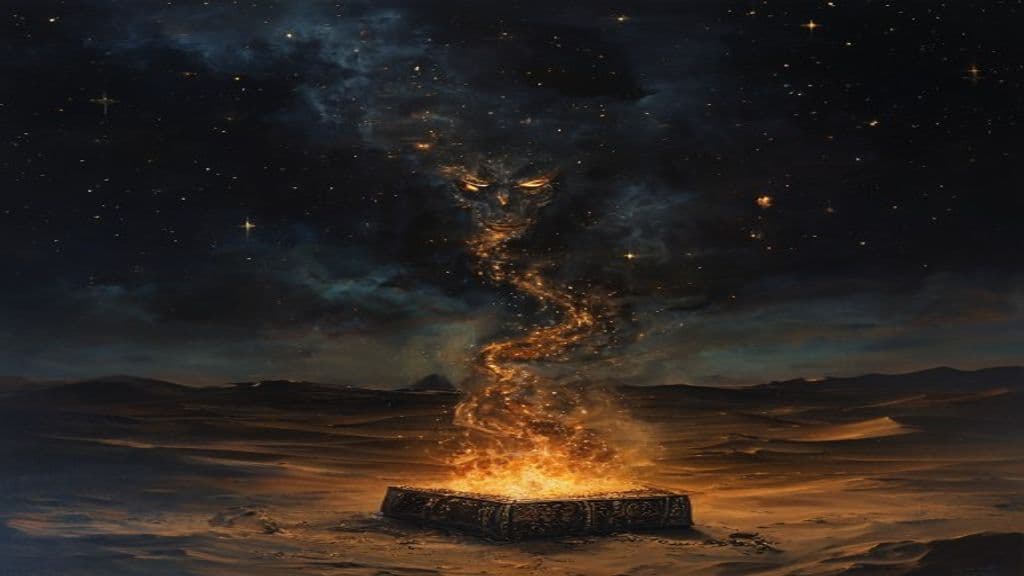
Djinn
The class of supernatural beings created from smokeless fire in Islamic cosmology — a parallel civilization to humanity, capable of belief or unbelief, with their own prophets, society, and judgment before God.
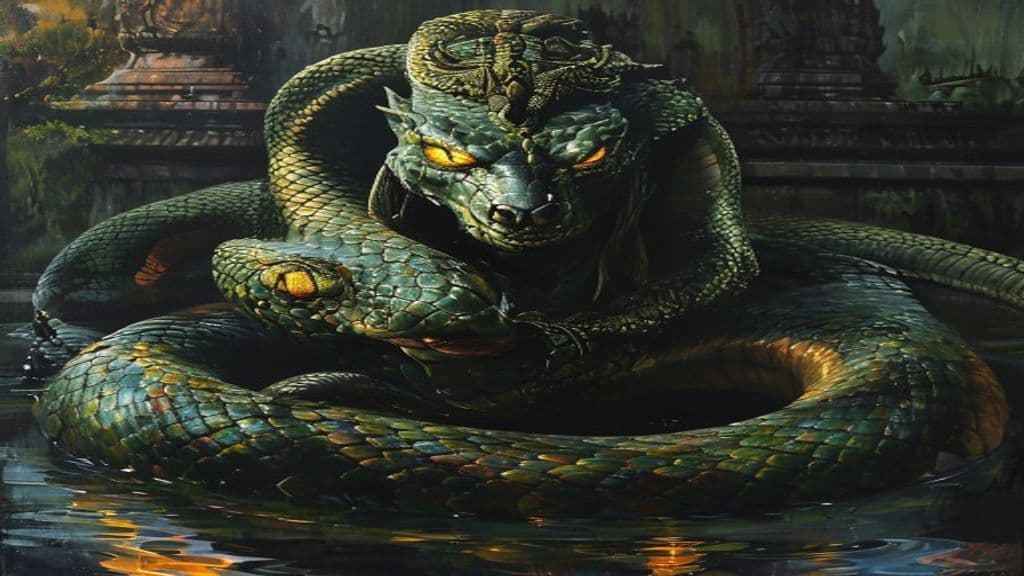
Naga
Divine serpent beings of Hindu, Buddhist, and Jain cosmology — powerful guardians of water, earth, and underground treasures. Revered as deities in South and Southeast Asia.
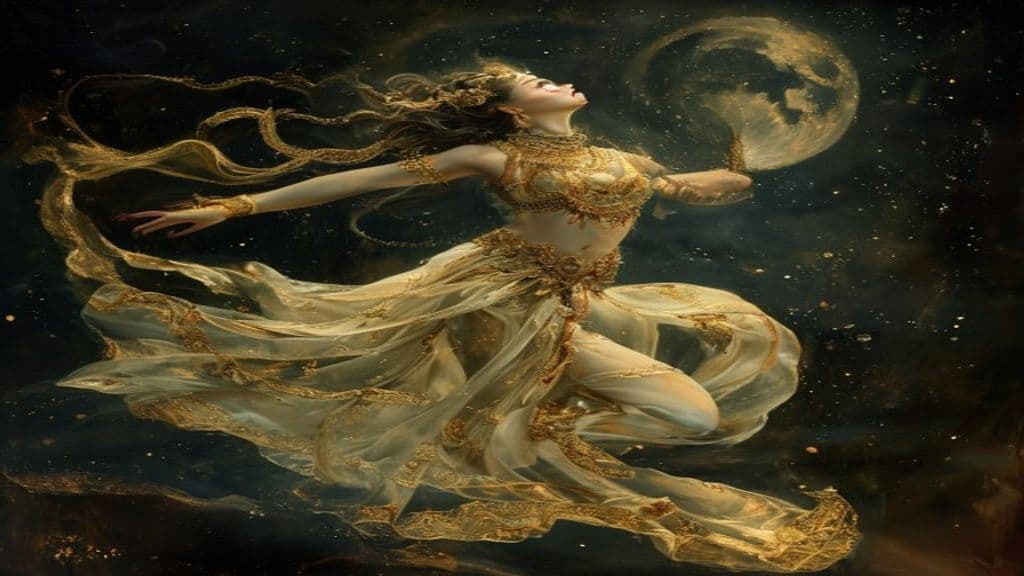
Apsara
Celestial dancers and water nymphs of Hindu cosmology — beautiful semi-divine beings who dance at the court of Indra and, by his command, descend to earth to distract sages from excessive asceticism.
Community Record
- [1]Earth deity (Wikipedia: List of earth deities / general definition). Wikipedia, 'List of earth deities' (used for general definition and compilation)wiki
- [2]Creation Myths: The Polynesians of the Pacific: The Maori, Samoans, and Hawaiians (archive audio/transcript). Archive.org S1E28 - Creation Myths: Polynesians (used for Papa/Rangi and Kumulipo references)other
- [3]Earth Deities Protecting the Dharma [Chapter 11]. Wisdomlib.org, 'Earth Deities Protecting the Dharma' (source for Prithivi passage and protective role)other
- [4]Earth Deity birthday (ThaiWorldView page on Hong Kong festivals). ThaiWorldView, 'Earth Deity birthday' (used for modern Hong Kong festival reference)other
- [5]The Ancient Lore of Egypt's Earth Deity | AskAladdin (Geb summary). Ask-Aladdin, 'Geb The God Of The Earth' (used for Geb identification, variant names Keb/Seb, Heliopolitan context)other
- [6]Sky Gods and Earth Deities (Biblioteca Pleyades comparative note). Biblioteca Pleyades, 'Sky Gods and Earth Deities' (comparative remarks on deity substitution and historical shifts)other
- [7]Anyone know of a translation of T184? - Q & A - Discuss & Discover (SuttaCentral discourse referencing T184). SuttaCentral Discourse referencing a translation query (used as pointer to Buddhist textual discussion of earth deity cult images)other
- [8]Aker (deity) (Wikipedia entry referenced in notes). Wikipedia, 'Aker (deity)' (contextual Egyptian chthonic associations referenced in notes)wiki