
There is no single origin narrative for 'Egyptian goddesses' as a class; individual goddesses have distinct mythic genealogies and origins. Many major goddess cults were institutionalized in temple infrastructures after the political unification of Egypt (c. 3100 BC), with the pharaoh acting as the state official responsible for mediating between gods and humans and overseeing temple ritual life. Specific goddesses (for example, Nut) appear in cosmogonic genealogies as mothers of chief gods, while others developed independent local and state cult histories recorded in hymns, prayers, and ritual literature.
Appearance and iconography vary by goddess and are specific to each cult. Nut is classically portrayed as the arched sky and cosmic mother; Sekhmet is traditionally depicted with a lioness head and is represented as both maternal and violent; Isis is associated with fertility and domestic motifs and is often depicted in maternal scenes and with throne symbolism. Iconographic details and attributes are specific to each goddess and documented in cult literature and temple art.
Egyptian goddesses perform cosmic, social, and ritual functions: they are associated with natural forces (sky, fertility, disease, war), social roles (motherhood, kingship), protection, healing, and the maintenance of cosmic order. They respond to hymns, prayers, and magical spells; temple ritual and offerings are the means by which humans sustain, invoke, or restrain divine action. Individual examples in the sources: Sekhmet can threaten with destructive power while also protecting and patronizing kings; Isis is associated with fertility, domestic arts, and healing; Nut functions as mother of major gods and participates in the genealogy of the pantheon.
Weaknesses
- ritualAppeasement through offerings and liturgy
- ritualRecitation of hymns, prayers, and magical spells by priests
Wards
- ritualTemple ritual and regular offerings to maintain maat
- ritualInvocation of protective aspects of a goddess (e.g., invoking protective Sekhmet)

Sekhmet
Sekhmet is an ancient Egyptian lioness-headed goddess who functions as the vengeful 'Eye of Ra', a solar agent of divine punishment, and simultaneously as a powerful healing and protective deity invoked against disease. Her mythology and cult deploy the same ambivalent force for destruction and restoration, with ritual practices developed to both propitiate and emulate her pacification.
Nut
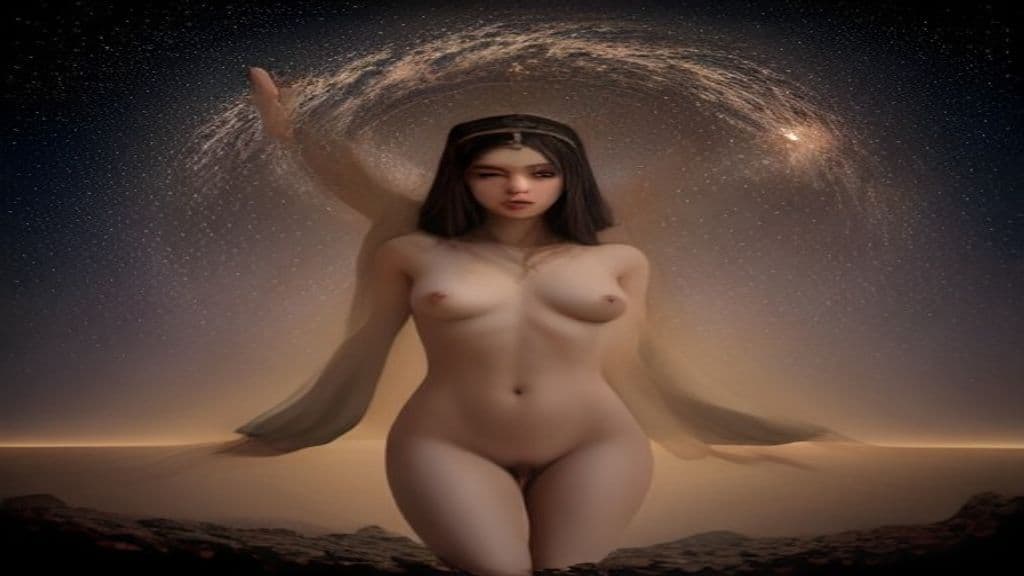
Nut (Ancient Egyptian: Nwt; Coptic: Ⲛⲉ) is the ancient Egyptian goddess who personifies the sky, stars, and cosmos and is associated with motherhood and astronomical symbolism. She is commonly depicted as a star-covered woman arched over the earth, forming the vault of heaven.
Isis
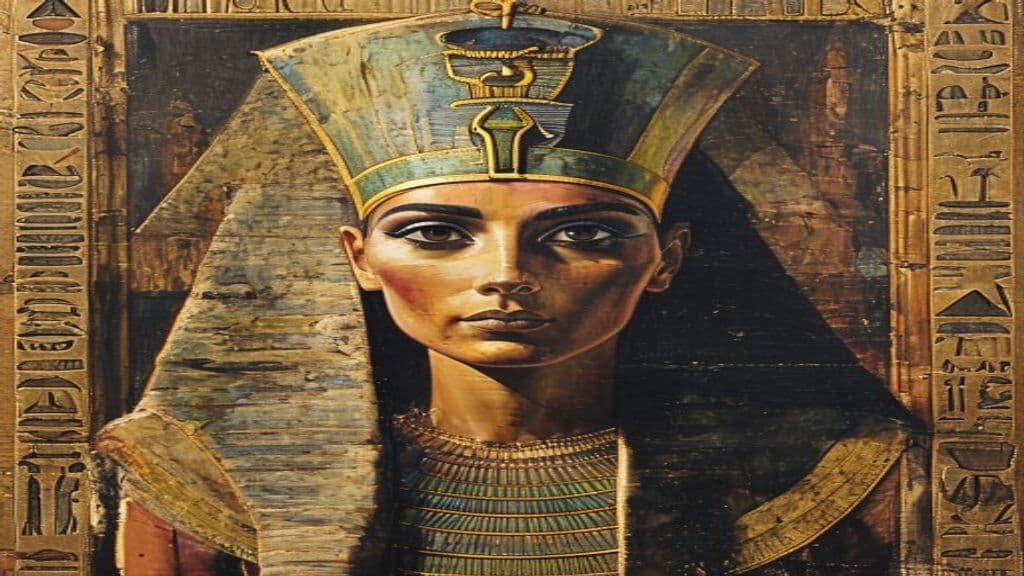
Isis is a major goddess of ancient Egyptian religion, a member of the Heliopolitan Ennead who functions as sister and consort of Osiris, mother and protector of Horus, a funerary and royal protector, and a locus of potent magic whose cult spread through the Hellenistic and Roman Mediterranean.
Community Record
- [1]Ancient Egyptian deities (Wikipedia). Wikipedia: Ancient Egyptian deitieswiki
- [2]The Great Goddesses of Egypt (compendium of cult literature). Compendium volume summarizing histories of major goddess cults with excerpts from hymns, prayers, and magical spellsacademic
- [3]Sekhmet: Egyptian Goddess of War (summary). Summary article describing Sekhmet's ambivalent nature as both protective and destructiveother
- [4]Nut (goddess) (Wikipedia). Wikipedia: Nut (goddess)wiki
- [5]Isis (Egyptian goddess) (Marvunapp entry). Catalog entry noting Isis as goddess of fertility and domesticationother
- [6]Ancient Egypt (archive). General reference on ancient Egyptian religion and institutional cult lifeacademic