
In Egyptian cosmological myth Sekhmet appears as a powerful manifestation of the sun-god Ra's enforcing power. In narratives recorded in Egyptian sources she is sent by Ra (in some versions as the furious form of Hathor) to punish humans who conspire against the divine order; in these accounts Sekhmet functions as the vengeful 'Eye of Ra'. Sekhmet is also integrated into divine family relations in Egyptian tradition: she is considered a consort of Ptah and mother of Nefertum in those priestly genealogies, and is mother of the lion-war god Maahes in certain local associations. Traditions therefore present Sekhmet both as an aspect or form of other goddesses (notably Hathor in the destructive episode) and as a distinct deity with her own temples and cult.
Sekhmet is typically depicted as a woman with the head of a lioness; her feline attributes are central to her iconography and often make her visually similar to other feline goddesses such as Bastet. Egyptian statuary and amulets commonly portray her in this lion-headed form, and she is among the most represented deities in museum collections—numerous statues (including large groups from the Mortuary Temple of Amenhotep III) and many amulets preserve her image. While some sources note additional attributes (solar associations and occasional royal uraeus or sun-disk in broader iconographic contexts), the supplied material emphasizes the lioness-headed woman as her characteristic appearance and the prevalence of statues and amulets in cult contexts.
Mythic and cultic sources describe Sekhmet as the furious, vengeful manifestation of Ra's power—the 'Eye of Ra'—tasked with punishing transgression. She is said in tradition to breathe fire and her breath is likened to the hot desert winds; plagues are described as her servants or messengers, indicating belief that she both could send disease and could be invoked to avert or heal it. In mythic narrative she displayed extreme bloodlust when sent to slaughter wrongdoers and only ceased when the gods tricked her into drunkenness by offering beer made to look like blood. Cult practice reflects this ambivalence: Sekhmet is simultaneously called upon to ward off disease and to heal the sick, and public ritual responses (notably the festival of intoxication) enact the mythic pacification of her fury.
Weaknesses
- ritualintoxication by beer dyed red (mythic pacification)
Wards
- ritualfestival of intoxication (public drinking, music, dancing to soothe the goddess)
- otherinvocation/appeal to Sekhmet as healer
- symbolamulets and statues depicting Sekhmet (cultic images kept in temples and households)
Hathor
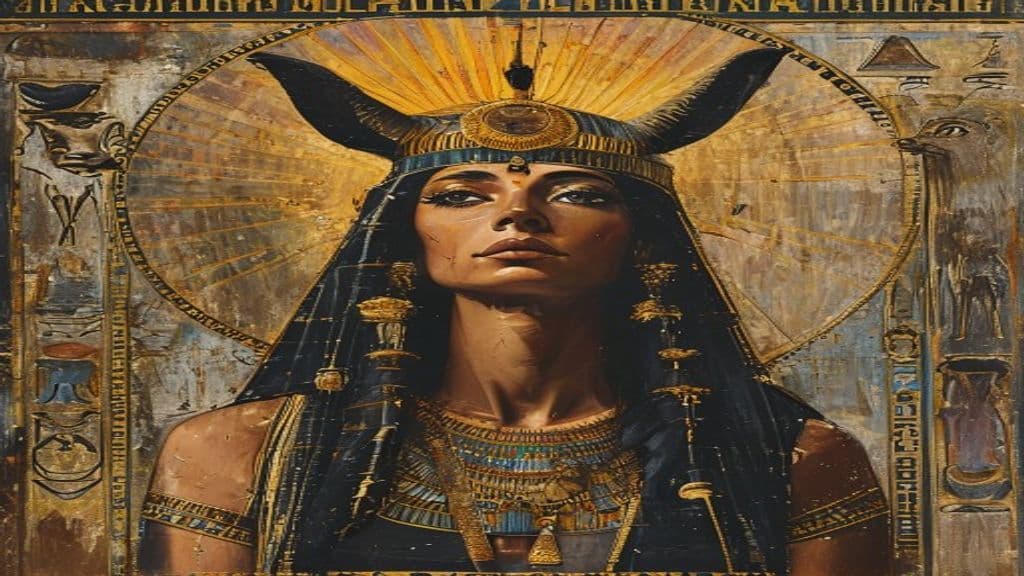
Hathor (Ancient Egyptian ḥwt-ḥr, 'House of Horus') is a major polyvalent goddess of ancient Egypt associated with the sky, maternal and royal motherhood, music, joy, fertility, and the Eye of Ra; she appears in multiple local manifestations and assisted the deceased into the afterlife.

Bastet
Bastet (Ancient Egyptian bꜣstt; also rendered Bast, Ubasti, Bubastis) is an ancient Egyptian goddess whose character shifted over millennia from a lioness warrior-protector of the king and Ra to a later cat-associated deity linked to domestic protection, fertility, motherhood, and healing against disease and evil spirits. Her principal cult center was Per-Bastet (Bubastis) in the Nile Delta.
Ptah
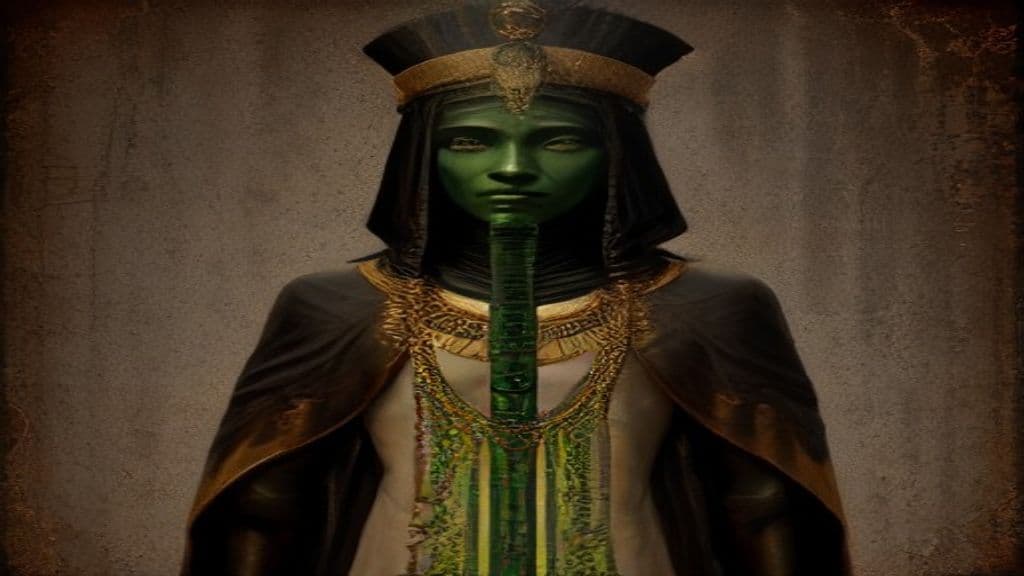
Ptah is the principal Memphite deity of ancient Egypt, venerated as a creator god and patron of craftsmen and architects. He conceives the world 'in the design of his heart' and realizes it by speech, serves as master of ceremonies and justice in state cult, and is central to funerary and royal ritual in Memphis.
Community Record
- [1]Sekhmet. Wikipedia, 'Sekhmet' article (selected excerpts provided in research notes).wiki
- [2]Wikidata: Sekhmet. Wikidata entry for Sekhmet referenced in research notes.other
- [3]Archive references cited in research notes. Archive: 'Thot, dieu des sciences et de la magie - Mythologie Égyptienne' (referenced among source URLs in research notes).other