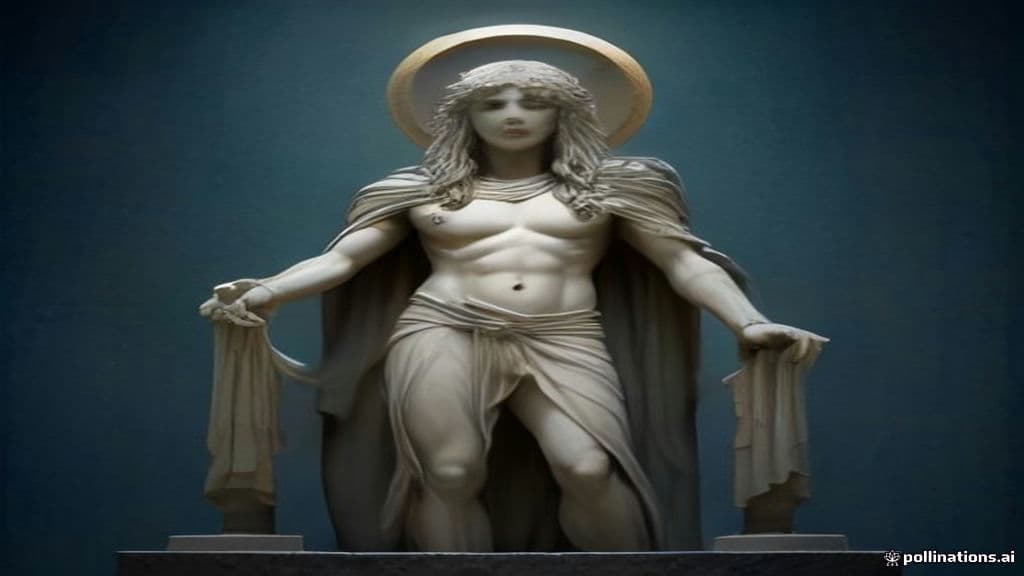
The name Eleuther appears across multiple local traditions. In Cretan tradition one Eleuther is listed among the Curetes and is given as eponym for towns such as Eleutherae/Eleuthernae. In Arcadian genealogies Eleuther is counted among the fifty sons of King Lycaon, singled out with one brother as not guilty in the tale of the impious sons and recorded as fleeing to Boeotia. A deity-related reading treats Eleuther as a form or variant of the epithet Eleutherios — an early divine name which sources suggest may have been an alternate name of Dionysus. Separately, a son of Apollo and Aethusa named Eleuther is noted for winning at the Pythian games and for erecting a statue and establishing a cult of 'Dionysus of the Black Aegis' by oracle-proposal to remedy his daughters' madness. These strands are attested in the compiled mythographic summaries cited in the sources.
No consistent physical description or standardized iconography for 'Eleuther' is provided in the cited summaries. Individual attestations emphasize social and performative traits rather than bodily features: the son of Apollo is described as renowned for an excellent singing voice and for victory at the Pythian games; other instances are genealogical or eponymous (Curete, Arcadian prince) without visual detail.
The sources attribute to Eleuther chiefly cultural and social functions rather than explicit supernatural powers. Attested capacities include musical excellence (the son of Apollo victorious at the Pythian games), cult-foundation and ritual innovation (establishing a statue and a cult of 'Dionysus of the Black Aegis' on an oracle's advice as a remedy for divine-induced madness), eponymy/founding of place-names (Eleutherae, Eleuthernae), and membership in mythological cohorts (Curetes; sons of Lycaon). Moral or narrative behavior is recorded (two sons of Lycaon are singled out as blameless and flee to Boeotia) but no hostile or magical ability set is described in the provided material.

Dionysus
Dionysus (Ancient Greek: Διόνυσος) is a major ancient Greek deity associated with wine and winemaking, vegetation and fertility, festivity and theatre, ritual ecstasy and possession, and liminal links with death and the underworld. He is an epiphany-god who travels between worlds, whose cult includes ecstatic rites and mystery initiation.
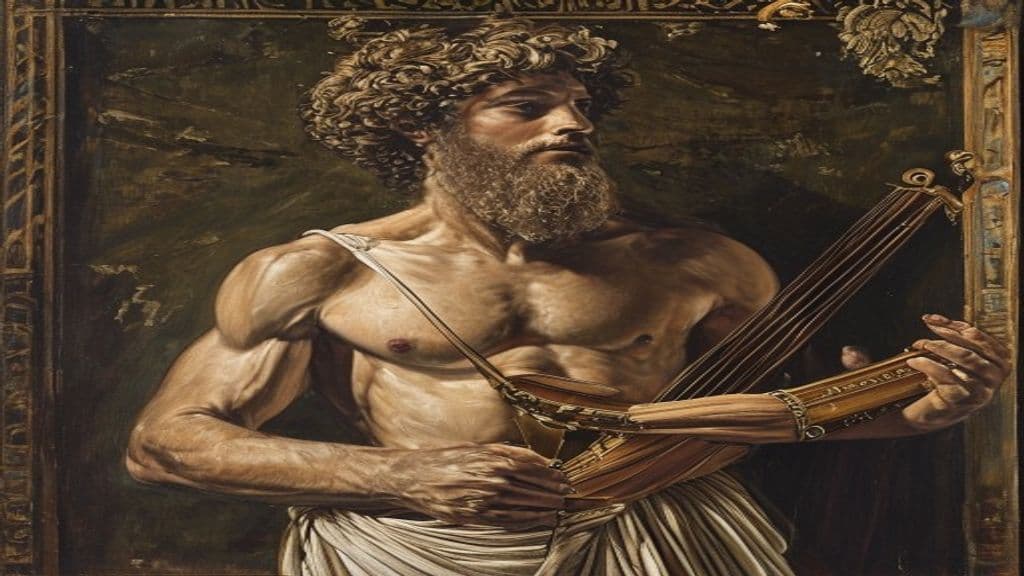
Apollo
Olympian deity of ancient Greek religion associated with prophecy, healing, music, archery, purification, and civic order. Principal patron of the Delphic oracle, protector of youth and flocks, and ambivalently both healer and bringer of plague.
Community Record
- [1]Eleuther. Wikipedia: 'Eleuther' entry (summary as provided)wiki
- [2]Eleuterus (Wikidata). Wikidata entry for Eleuterus (linked in research notes)other