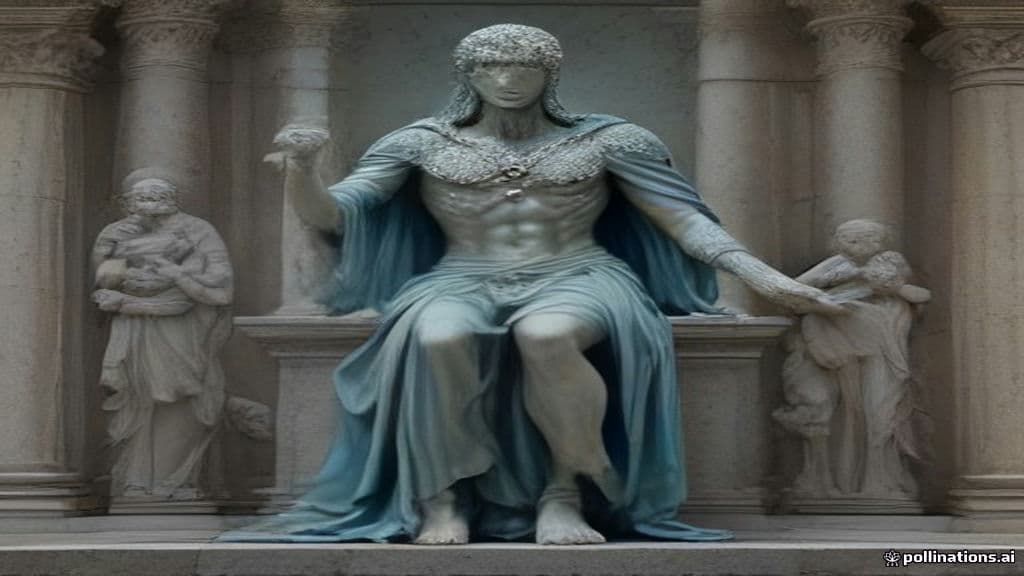
The name Emathion appears in multiple, distinct genealogical and narrative contexts in Greek myth. In one tradition Emathion is the son of Tithonus and Eos and a king of Aethiopia or Arabia, brother to Memnon, who opposed Heracles during the hero's voyage to the Hesperides and was slain in that episode. In another account Emathion is a son of Zeus and Electra (one of the Pleiades), a king of Samothrace who sent soldiers to join Dionysus in the Indian campaign. A different Emathion is an aged courtier of King Cepheus in the Perseus narrative who is described as pious and upright and is killed during the fight between Phineus and Perseus. Finally, Vergil records an Emathion as one of Aeneas’s companions in Italy, who is killed by Liger of Turnus’s forces. The name thus functions as a recurring personal name attached to multiple mortal actors across the heroic and epic cycles rather than indicating a single continuous biography.
The sources give virtually no consistent physical description across the Emathion occurrences. Only the courtier Emathion is described explicitly as "aged" and morally upright. Other bearers of the name are attested only by role (king, prince, companion) and genealogical affiliation (son of Eos and Tithonus; son of Zeus and Electra), from which typical markers of status (regal dress, courtly position, armed retinue) may be inferred by narrative context but are not detailed in the supplied texts.
Emathion-figures possess no supernatural powers in the cited material; they act as mortal rulers, nobles, and warriors within mythic narratives. Their documented behaviors include exercising kingship and mustering troops (the Samothracian Emathion sending soldiers to Dionysus), resisting invading heroes (the Aethiopian king confronting Heracles), participating in courtly life and exhibiting piety (the aged courtier of Cepheus), and fighting as companions in epic warfare (the Emathion in Vergil’s Aeneid who dies in battle). The sources explicitly present these Emathions as human actors whose chief capacities are political, military, familial, and social rather than supernatural.
Weaknesses
- conditionmortality (killed in battle)
Wards
None recorded.
Eos
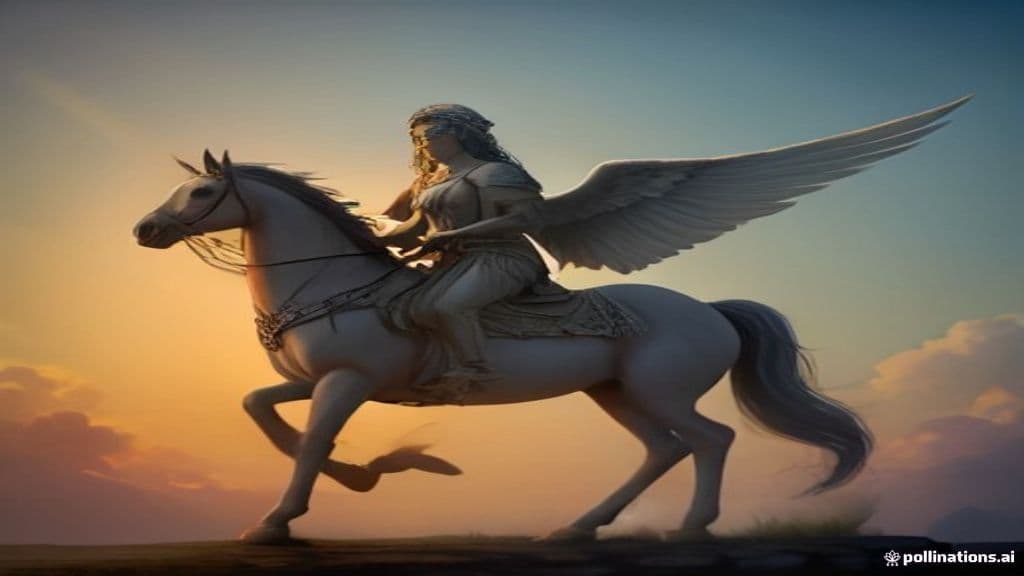
Eos is the ancient Greek goddess and personification of the dawn who rises each morning from the edge of Oceanus to bring light, open the gates of heaven for her brother Helios, and usher in the day; she is a daughter of the Titans Hyperion and Theia, sister to Helios and Selene, and mother of several winds and astral figures.

Zeus
Zeus (Ancient Greek: Ζεύς) is the supreme deity of the classical Greek pantheon, a sky-and-thunder god who rules as king of the gods on Mount Olympus and functions as a sky‑father who assigns roles among the immortals.
Electra
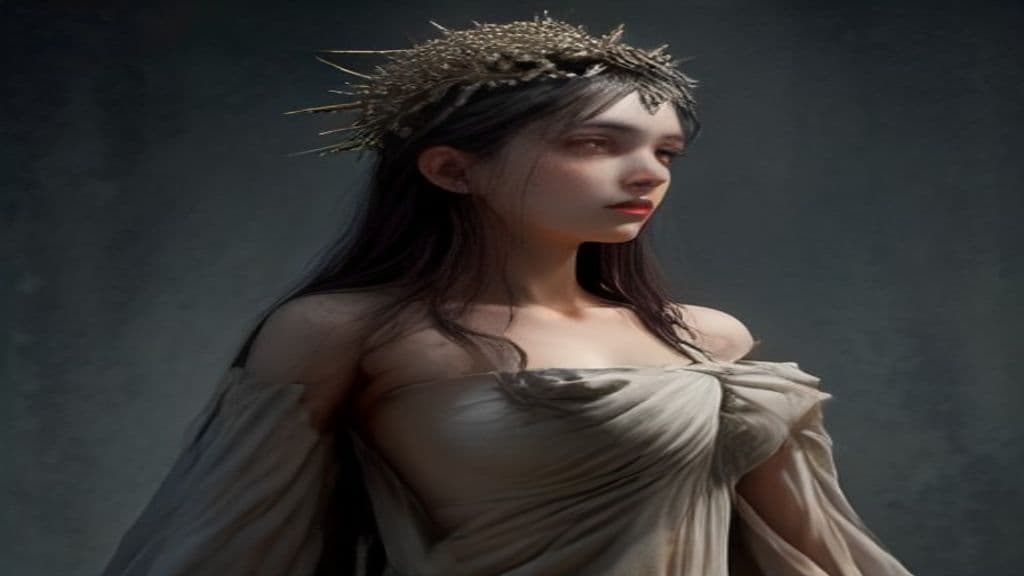
Electra (Ancient Greek: Ἠλέκτρα, Ēléktrā) is a Mycenaean princess in Greek myth and drama, daughter of Agamemnon and Clytemnestra, whose primary role across Aeschylus, Sophocles, and Euripides is as an avenger of her father's murder and a focal figure for questions of filial duty, revenge, and ritual consequence.
Heracles
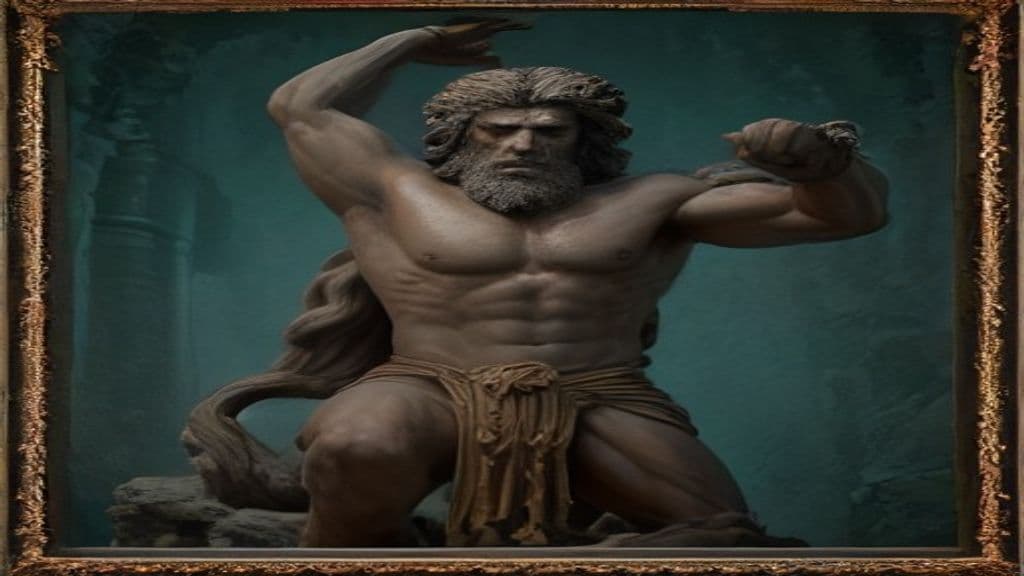
Heracles is the greatest hero of Greek myth whose career bridges mortal hero-cult and full divinization. Celebrated for his Twelve Labours, martial prowess, and travels between the mortal world, the underworld, and Olympus, he functioned as a civic patron, ancestor of royal lines (the Heracleidae), and object of cult that treated him both as chthonic hero and as god.
Perseus
Perseus is a legendary hero of ancient Greek myth, a mortal son of Zeus and Danaë famed as a slayer of monsters and founder of the Perseid dynasty; his narrative emphasizes divine intervention (gifts from Hermes, Athena, and Hades), heroic cunning, and eventual placement among the stars as a constellation.
Community Record
- [1]Emathion — Wikipedia. Wikipedia, 'Emathion'wiki
- [2]Wikidata: Emathion. Wikidata entry Q17138459other
- [3]EMATHION | Dickinson College Commentaries (Vergil). Dickinson College Commentaries, 'Emathion' (Vergil indexing)academic
- [4]Eos and Memnon references (summary of genealogies). GreekLegendsAndMyths, 'The Goddess Eos in Greek Mythology'folk
- [5]Person: Emathion (Myths UVic). Myths of the World (UVic), 'Emathion'other