Endeïs appears in multiple, regionally varying genealogical accounts. She is consistently named as the wife of Aeacus of Aegina and mother of Telamon and Peleus. Sources differ over her parentage: some traditions make her a daughter of the centaur Chiron and the nymph Chariclo (linking her to Thessalian/Chiron traditions), others call her a daughter of Pandion of Athens, and still others present her as the daughter of the Megarian figure Sciron (in some accounts with Sciron arranging her marriage to Aeacus). These variant filiations serve to connect localities—Thessaly, Athens, Megara, and Aegina—into the heroic genealogical framework.
Surviving mythographic sources provide no specific physical description of Endeïs beyond social identifiers (called a nymph, princess, or queen in different accounts). No preserved source cited here supplies details of her clothing, visage, or distinguishing marks.
The sources do not attribute supernatural powers to Endeïs. Her notable agency in the narratives is social and familial: she is said to have hated her stepson Phocus (son of Aeacus by the Nereid Psamathe) and to have wished him dead, thereby inducing or encouraging her sons Telamon and Peleus to act against him. Apart from motivating familial violence and influencing succession dynamics, no magical or independent supernatural capacities are recorded in the cited material.
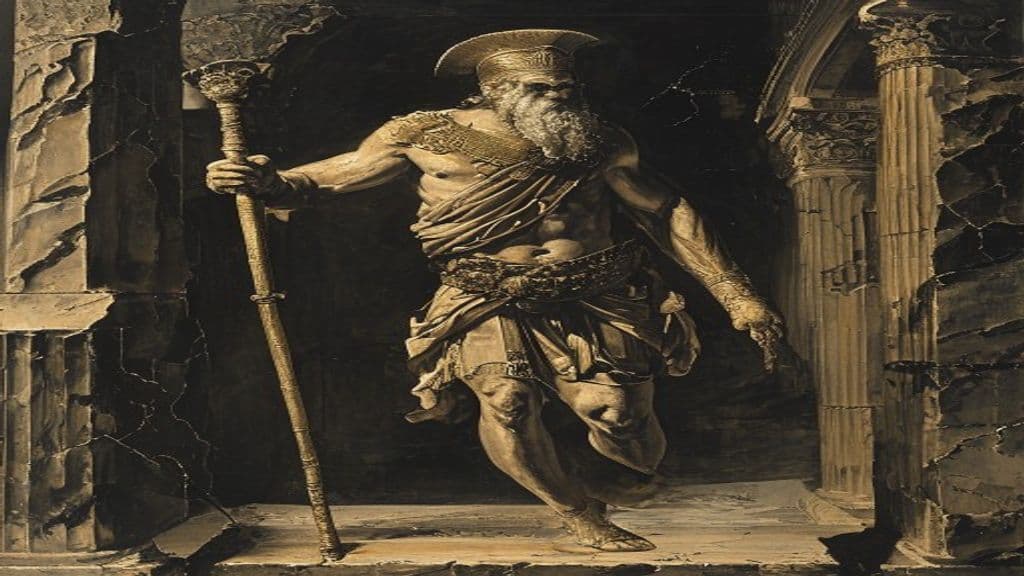
Aeacus
Aeacus is a mythic king of the island of Aegina in Greek tradition, famed for his justice and piety. After death he is accorded a permanent office in Hades as one of the three judges of the dead alongside Minos and Rhadamanthus, and he is the eponymous ancestor of the Aeacidae.
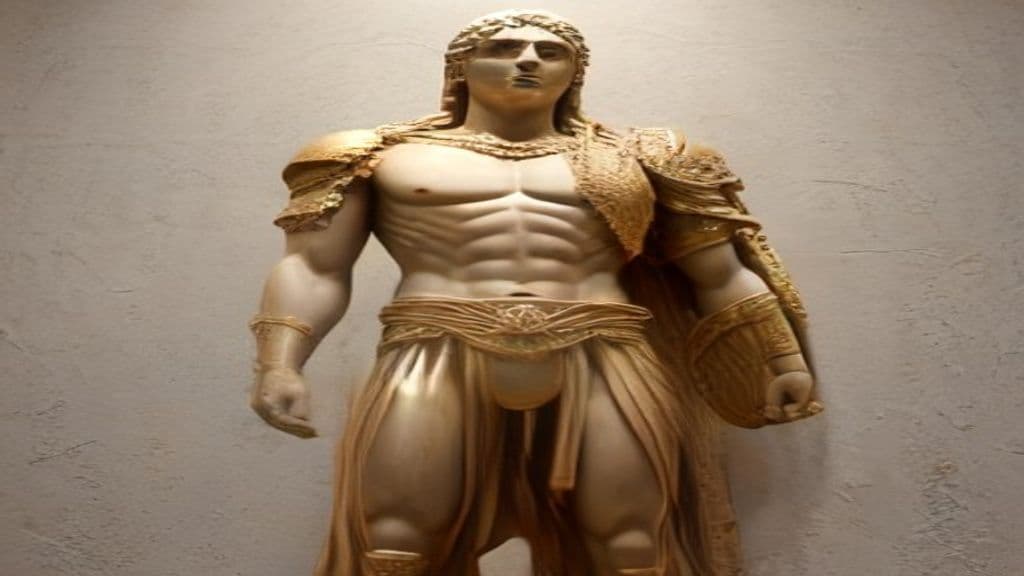
Telamon
Telamon (Ancient Greek: Τελαμών) is a mortal heroic king and warrior from archaic Greek myth, son of Aeacus and the nymph Endeïs in many accounts, father of Ajax and Teucer, and a participant in pan‑Hellenic episodes (Argonauts, Calydonian Boar hunt, allied actions with Heracles). He functions primarily as an ancestor‑hero who links civic lineages (Aegina, Salamis, Megara) into the epic heroic world.
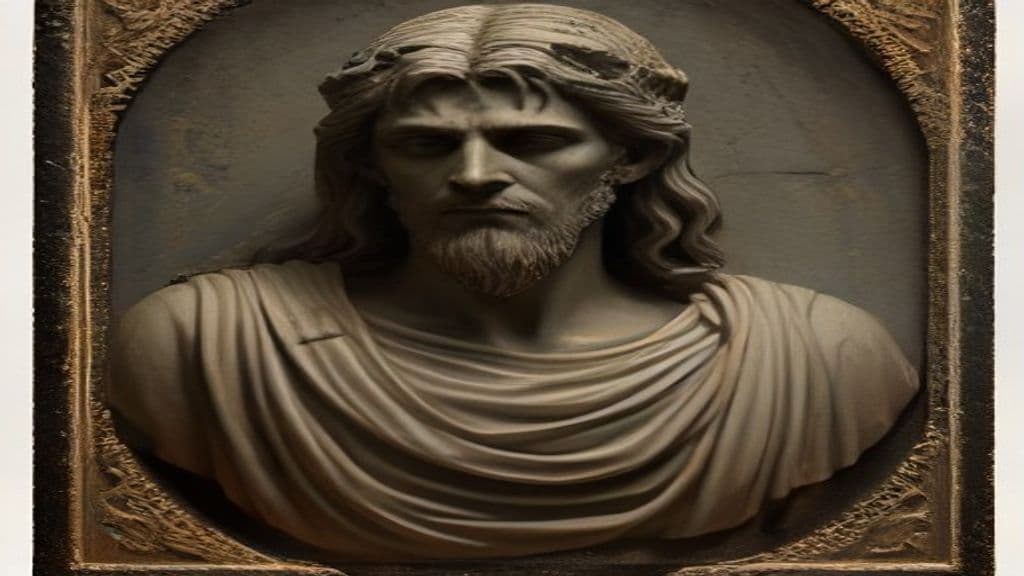
Peleus
Peleus (Ancient Greek Πηλεύς) is a mortal heroic king of the Greek heroic age—son of Aeacus and an oread, husband of the sea-nymph Thetis, and father of Achilles—figuring as a founder-ancestor and culted hero in later local practice. He is portrayed in epic narrative as a warrior-king, Argonaut, and participant in the web of marriages and purifications that link human rulership to divine beings.
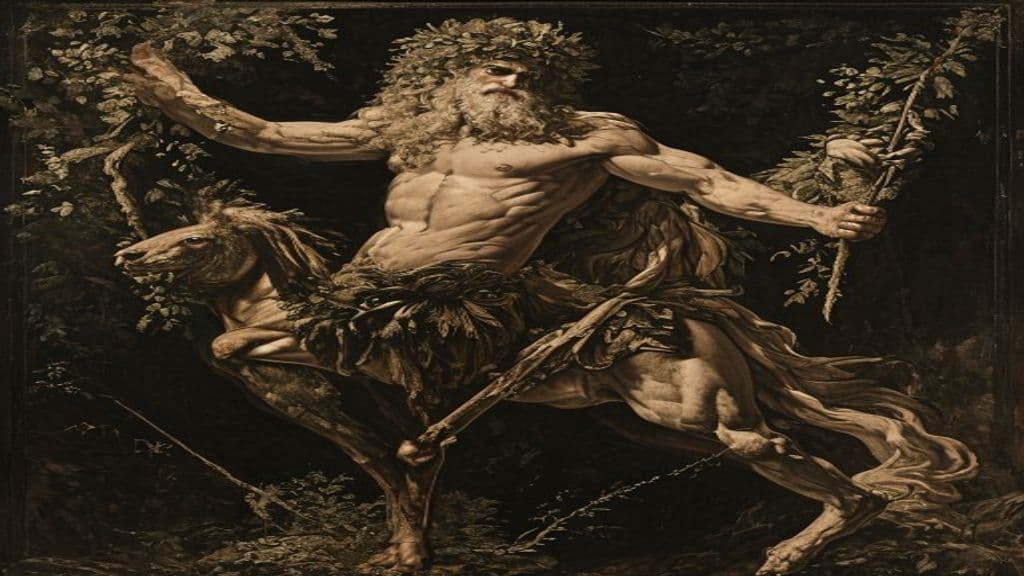
Chiron
Chiron (Ancient Greek: Χείρων, Kheírōn) is a unique centaur of Greek myth, famed as a cultured tutor, healer, and oracle who taught skills such as medicine, music, archery, hunting, and prophecy to culture-heroes. Associated with Mount Pelion in Thessaly, he is presented as wise and civilized in contrast to other, wilder centaurs.

Chariclo
Chariclo is a name assigned to one or two nymph figures in Ancient Greek myth. In surviving sources she appears either as the wife of the centaur Chiron and member of a Chironian household (nurse of Achilles in some scholia) or as a devotee/attendant of Athena who is the mother of the seer Tiresias; both roles place her among domestic, caregiving, and intercessory minor divine figures rather than as an independent cultic deity.
Community Record
- [1]Endeïs — Wikipedia. Wikipedia, "Endeïs"wiki
- [2]Endeis — Theoi Project (Nymphe Endeis). Theoi Project, entry 'Endeis'other
- [3]Endeis — Greek Mythology (GreekMythology.com). GreekMythology.com, 'Endeis'other
- [4]Endeis — Greek Legends and Myths. Greek Legends and Myths, 'Endeis'other
- [5]Labors of Theseus (Plutarch-related archival material). Archive compilation including Plutarch-derived passages on Theseus and related mythic figures; provided in research notesliterary
- [6]Labors of Theseus (additional archival item). Archive compilation (Plutarch passages) referenced in research notesliterary
- [7]Sciron — Wikipedia. Wikipedia, 'Sciron' (used for context on Megarian connections and Sciron's role in variant traditions)wiki