
In literary tradition Ereshkigal is presented as the sovereign of Kur/Irkalla, the Great Place of the Dead. In the Descent of Inanna/Inanna's Descent Inanna passes through seven gates to the throne chamber of Ereshkigal; Neti the gatekeeper bolts the gates and the seven judges of the underworld pronounce Inanna guilty, whereupon she is struck dead and her corpse hung on a hook. In the Nergal marriage narrative tensions between underworld parties are dramatized: Ereshkigal's sukkal Namtar once insults the assembly of gods, Nergal is sent to the netherworld, and through a sequence of stratagems and sexual/political negotiation Nergal and Ereshkigal become paired; mythic developments like these reflect efforts to reconcile regional underworld traditions and to narrate Ereshkigal's relations with other deities.
Ancient textual sources do not provide a detailed canonical physical portrait. Attested features in the myths emphasize her royal role and setting: a throne in the netherworld throne chamber, the seven gates of Irkalla controlled by a gatekeeper (Neti), and attendants including her sukkal Namtar. Later popular and modern depictions (wings, horror imagery, etc.) are adaptations not supported by the primary mythic texts cited.
Ereshkigal exercises sovereign authority over the underworld: she commands gatekeepers and messengers (Neti, Namtar), orders the bolting of the seven gates, presides over judges who determine the fate of entrants, and can have a deity struck dead and displayed in the netherworld (as in Inanna's Descent). She serves as a metonym for the underworld itself in some texts (her name used like Irkalla), and in later lists occupies senior status among underworld-associated deities. Myths imply she can control access to return from the dead and command infernal agents; specific magical power-lists are not provided in the sources.
Weaknesses
- conditionCautions for visitors not to sit, eat, drink, wash, or have sex in the underworld
- otherLimited cultic visibility (few temples, scarce theophoric names) — indicates weaker presence in popular devotion compared with literary prominence
Wards
- conditionObserve Enki/Ea's precautions (do not sit, eat, drink, wash, or have sex while in Irkalla)
- ritualGatekeeping and attendant control (use of gatekeepers/posted demons in myth as protective measures)
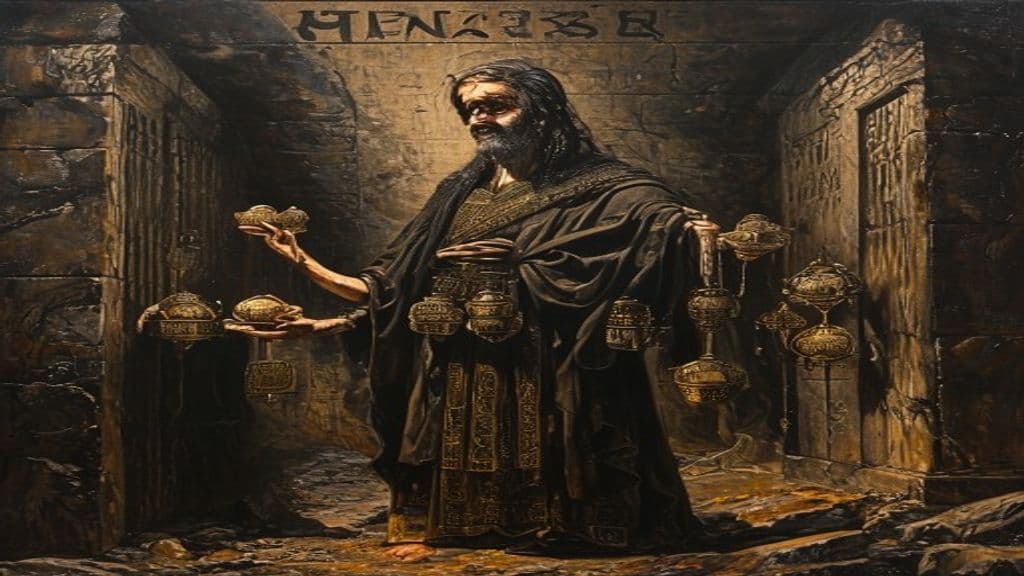
Namtar
The Sumerian god-demon of fate and disease, vizier of the Underworld who carries sixty diseases and acts as herald of death — he who determines the day of dying.
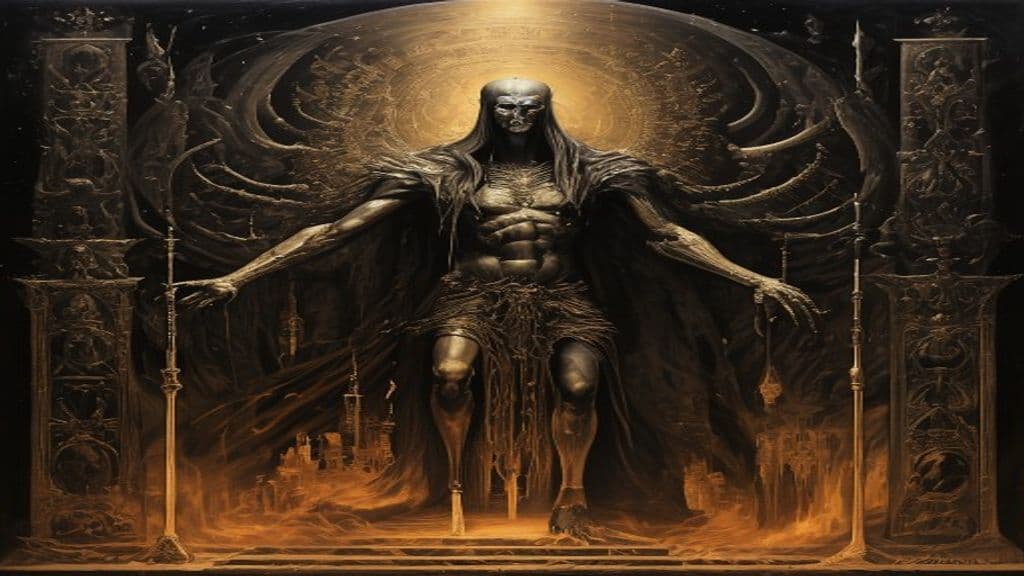
Nergal
Nergal is a major Mesopotamian deity associated with war, disease, inflicted death, and rulership of the underworld. Principal cult center at Kutha (temple E‑Meslam), he appears in hymns and myths (e.g., the Epic of Erra, "Nergal and Ereshkigal") and is sometimes equated with or called Erra or Meslamtaea.

Inanna
Inanna is a major ancient Mesopotamian goddess, primarily worshipped in Sumer and later identified with the Akkadian Ishtar. Her domains include love, sex, war, political power, divine law and procreation; she is a principal cult figure of Uruk and bearer of the mes, the decrees of civilization.

Ninazu
Ninazu is a Mesopotamian chthonic deity associated with the underworld, healing, snakes, and vegetation; his cult originated in Enegi and Eshnunna and appears in hymns, god lists, and incantations from the Early Dynastic through first-millennium traditions.
Community Record
- [1]Ereshkigal. Wikipedia: Ereshkigalwiki
- [2]Ereshkigal (Mesopotamian goddess) — Marvunapp appendix. Marvunapp: Ereshkigal (compilation/retelling)other
- [3]The Descent of Ishtar (text). Translation/retelling of The Descent of Ishtarliterary
- [4]Gateways to Babylon — Ereshkigal's Nature & Enki and Ereshkigal. GatewaysToBabylon website summaries and retellingsother
- [5]Enki and Ereshkigal (retelling). Retelling of Enki/Ereshkigal materialliterary