
In Athenian legendary history Erichthonius is an early autochthonous king whose birth narratives tie divine agency to the soil of Attica. In the traditions preserved in classical compendia he is presented as son of Hephaestus (in accounts that describe Hephaestus’ interaction with Athena and subsequent seed on the earth producing Erichthonius) and as fostered or adopted by Athena; these motifs connect him to both the smith-god and the city’s patron. Early literary and cult materials frequently conflated Erichthonius with Erechtheus, but by the fourth century BC the two figures are treated as distinct personae in Athenian civic cult and king-lists.
Ancient textual sources do not give a single standardized portrait of Erichthonius as an adult. The surviving tradition preserves a well-known motif in which the infant Erichthonius (sometimes depicted in a basket or chest) is placed under the care or guardianship of Athena and discovered by the daughters of Cecrops; this scene is the frequent subject of later visual art (e.g., paintings by Rubens, Tempesta) and is the principal iconographic representation associated with him. Beyond these depictions of the child-in-the-basket episode and later images of a kingly founder, no consistent physical description is preserved in the supplied sources.
Erichthonius’ power is civic and cultic rather than overtly supernatural in the mode of monsters or gods. Multiple sources credit him with inventing or yoking the quadriga (the four-horse chariot) and with instituting or being commemorated in early Panathenaic chariot-contest traditions; one stream of tradition links him with the Auriga (charioteer) constellation in star-lore accounts, though astronomical identification is presented in secondary sources rather than as an unequivocal apotheosis. He functions primarily as a founder-innovator, royal progenitor (father of Pandion I and ancestor in the line that includes Erechtheus in many lists), and as a cultic ancestor under Athena’s protection. The supplied materials do not attribute direct magical or combative powers to him.
Weaknesses
- otherNone attested in tradition — Erichthonius is presented as a civic/ancestral figure rather than a hostile supernatural, and the supplied sources record no vulnerabilities, spells, or conditions by which he may be harmed or bound.
Wards
- otherNone attested — no apotropaic wards, protective talismans, or ritual formulas addressed specifically to repel or constrain Erichthonius are recorded in the provided material; his memory is preserved through commemoration rather than protective rites.
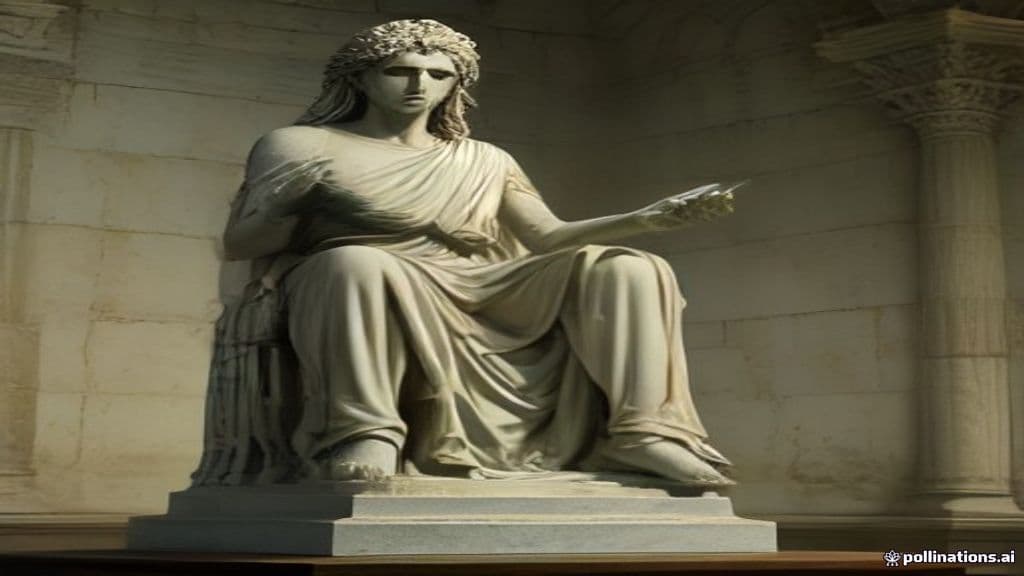
Erechtheus
Erechtheus is a mythic-heroic foundational figure of ancient Athens whose identity blends an autochthonous, earth-born ancestor-king with a localized cultic name often syncretized with Poseidon; he functions as eponymous progenitor of the Erechtheidai and as the focus of ritual memory on the Acropolis (the Erechtheion).

Pandion I
Pandion I is a legendary early king of Athens in Greek mythic-historical tradition, presented as a grandson of Hephaestus and a node in Athenian genealogies that link royal houses, priesthoods, and tribal eponyms to a mythic past.
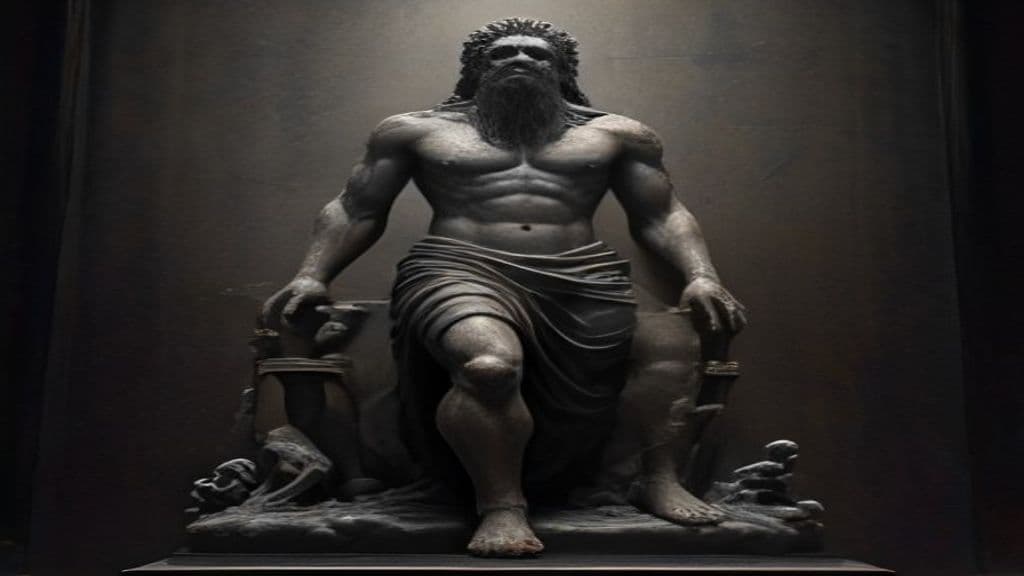
Hephaestus
Hephaestus is the Greek god and divine artisan of smithing, metalwork, controlled fire, and volcanism; he functions as the blacksmith of the Olympian gods, maker of their tools and weapons, and is the focus of localized cults associated with hearths and manufacturing centres (notably Lemnos and Athens).

Athena
Athena is a major ancient Greek goddess associated with wisdom, handicraft (notably weaving), and warfare; she serves as a tutelary protector of cities—most prominently Athens—and is central to myth, cult, and civic identity in the Greek world.
Community Record
- [1]Erichthonius (son of Hephaestus) - Wikipedia. Wikipedia: Erichthonius (son of Hephaestus)wiki
- [2]Erichthonius of Athens - Wikipedia. Wikipedia: Erichthonius of Athenswiki
- [3]Wikidata: Erichthonius. Wikidata entry for Erichthoniusother
- [4]LP0037 The Kings of Athens (Archive). Archive LP0037, Kings of Athens (king-list material)other
- [5]Colors of Ancient Europe – Athena (video/summary). Summary material linking Athena to Erichthonius’ upbringingother
- [6]Star Tales – Auriga. Ian Ridpath, Star Tales: Auriga (associations of charioteer mythic figures and Auriga)other
- [7]The Constellation Auriga - Universe Today. Universe Today article referencing Auriga and related star-loreother
- [8]Greek Legends and Myths - King Erichthonius of Athens. Popular compendium summarizing genealogical and founding traditionsfolk
- [9]Parian Marble and related chronology references. Discussion referencing the Parian Marble's placement of festival and king-list data (mentions Erichthonius and Panathenaic chariot association)other