According to the genealogical and mythographic material cited, Erigone is the daughter of Aegisthus and Clytemnestra and thus belongs to the household central to the Agamemnon/Orestes cycle. Sources variously identify her as full‑sister to Aletes (and in one note to Helen) and as half‑sister to Orestes, Electra, Iphigenia, and Chrysothemis. Later mythographic summaries and scholiastic traditions record two main roles in her tradition: (1) an etiological connection in the Etymologicum Magnum (as quoted in Smith/LacusCurtius) that links her to the Athenian festival Aeora by reporting she came to Athens to bring the charge of matricide against Orestes; and (2) accounts in later summaries that Orestes later married Aegisthus's daughter Erigone. Some fragments and later authors conflate or preserve different Erigones (notably Erigone daughter of Icarius), and where those accounts differ the sources mark the identifications as variant or uncertain.
The extant excerpts and summaries used here provide no physical or iconographic description of Erigone (daughter of Aegisthus). Attestations are literary and genealogical rather than visual; no epithets, costume, or sculptural identifications are quoted in the provided materials. Because multiple mythic figures share the name Erigone in Greek tradition, the sources warn that descriptions from other Erigone‑cycles (for example the Icarius/ Maera tradition) should not be conflated with the daughter of Aegisthus unless a source explicitly equates them.
Erigone is not described as possessing supernatural powers in these sources; her role is social and juridical within the mythic narrative. The Etymologicum Magnum (as reported via Smith/LacusCurtius) portrays her as an accuser who 'came to Athens to bring the charge of matricide against Orestes,' situating her as a legal claimant in the post‑Trojan‑War adjudicative cycle. Other later summaries record that Orestes subsequently married Aegisthus's daughter Erigone, placing her in patterns of marriage and succession that resolve or continue household lines after vengeance. Variant traditions and later conflations exist, but the provided material contains no account of supernatural agency, magical abilities, or otherworldly functions for this Erigone.
Weaknesses
- otherNo supernatural vulnerabilities attested (treated as mortal and subject to human fate and legal/social constraints)
Wards
- otherNo apotropaic wards recorded in the provided sources (Erigone is not presented as a harmful spirit)
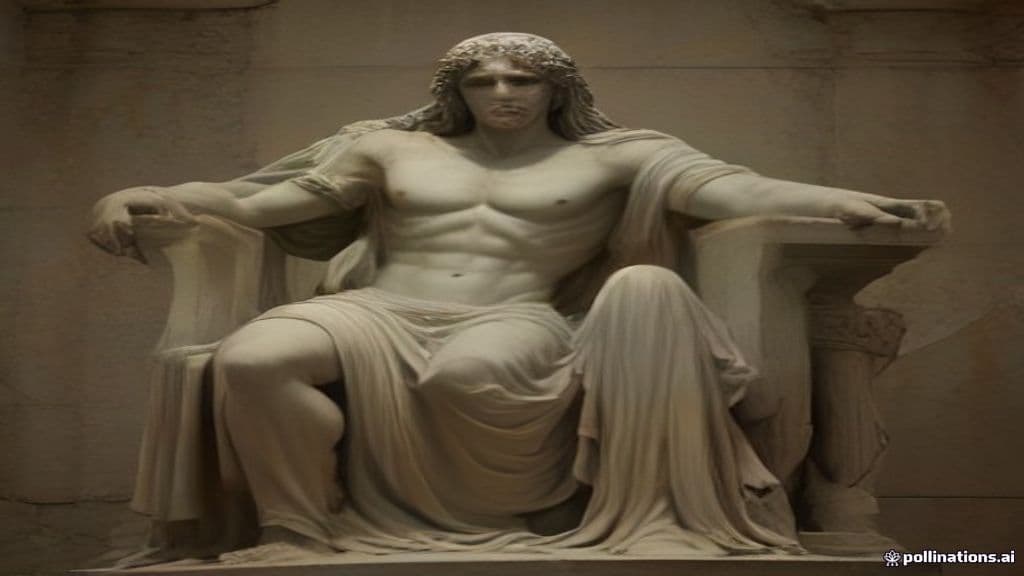
Orestes
Orestes (Ancient Greek: Ὀρέστης) is a mythic Greek prince and later king, son of Agamemnon and Clytemnestra, whose avenging of his father's murder by killing Aegisthus and Clytemnestra leads to pursuit by the Erinyes and a landmark divine-legal resolution (the trial on the Athenian Acropolis). His narrative explores guilt, divine command, ritual purification, and the transition from private vengeance to civic justice.

Aegisthus
Aegisthus (Greek Αἴγισθος, Aigisthos) is a mortal member of the House of Atreus in Greek myth who, born of incestuous circumstances and raised by shepherds and a goat, participates in dynastic murder and usurpation — notably the slaying of Atreus in some accounts and the conspiracy (with Clytemnestra) that results in Agamemnon's death — and is later killed by Orestes, an episode that figures in narratives about inherited guilt, vengeance, and the transition from private retribution to public justice.

Clytemnestra
Clytemnestra is a mortal queen of Mycenae in Greek epic and tragic drama, best known for her role in the murder of her husband Agamemnon and for precipitating the cycle of familial vengeance that follows. She appears across Homer and the tragedians (Aeschylus, Sophocles, Euripides) as a politically capable, scheming royal whose actions raise questions of justice, revenge, and social order.

Electra
Electra (Ancient Greek: Ἠλέκτρα, Ēléktrā) is a Mycenaean princess in Greek myth and drama, daughter of Agamemnon and Clytemnestra, whose primary role across Aeschylus, Sophocles, and Euripides is as an avenger of her father's murder and a focal figure for questions of filial duty, revenge, and ritual consequence.
Community Record
- [1]Erigone (daughter of Aegisthus) — Wikipedia. Wikipedia entry summarizing genealogical traditions identifying Erigone as daughter of Aegisthus and Clytemnestra and citing later summaries that Orestes married her.wiki
- [2]Erigone — Wikipedia (disambiguation). Wikipedia disambiguation noting multiple figures named Erigone including the daughter of Aegisthus.wiki
- [3]Aeora (Smith's Dictionary) — LacusCurtius. LacusCurtius quote of the Etymologicum Magnum via Smith's Dictionary: reports Aeora was celebrated in honour of Erigone who 'came to Athens to bring the charge of matricide against Orestes.'literary
- [4]Aegisthus — Wikipedia. Wikipedia entry providing context for Aegisthus's household and noting relationships that place Erigone as his daughter.wiki
- [5]Eclectic Light Company — Heroines 8: The Plight of Hermione. Discussion of variant genealogies and later retellings in the Agamemnon/Orestes cycle that reference familial permutations including mentions of Erigone in summaries; used here for notes on variant traditions and conflation.other
- [6]Works of Lucian of Samosata (volume reference). Fragmentary later material cited in research notes that discusses a different Erigone tradition (likely the Icarius Erigone) involving Maera the dog and celestial placements; included to note potential conflation though not ascribing it to the daughter of Aegisthus.literary