
In the Homeric and later summary traditions Eurycleia is presented as a member of Odysseus's household lineage: she is named as the daughter of Ops and granddaughter of Peisenor and is identified as Odysseus's wet-nurse and long-serving attendant. Her origins are domestic and genealogical rather than divine; she is embedded in the continuity of the household (oikos) and is remembered principally for nursing and raising Odysseus in infancy and for her continued service through his prolonged absence and eventual return.
Sources give only sparse physical description, consistently marking her as aged and as a nurse or maidservant. She is represented in the epic-cycle and summaries as an elderly, long-serving household attendant — an 'aged maid' or 'aged nurse' whose social status is defined by her lifelong service rather than by distinctive clothing or heroic accoutrements. No detailed bodily features or dress are specified in the provided sources.
Eurycleia's 'abilities' are practical and social: wet-nursing (having nursed Odysseus), domestic management (preparing provisions such as barley meal and wine at Telemachus's instruction), caregiving, custodianship of household secrets, and acting as a trusted confidante. Textual notes record that she is sworn to secrecy by household members (Odysseus and/or Telemachus in various accounts) and that she participates in sheltering and supporting loyal members of the oikos during crises. She is mortal and her agency is exercised within the constraints of household hierarchy.
Weaknesses
- conditionmortality
- conditionlimited agency within household hierarchy (acts under direction of masters)
- otherreliance on social bonds and oaths rather than coercive power
Wards
- ritualsworn secrecy / oath of silence
- otherdomestic trust and patronage (reliance on masters' commands as safeguard)

Eumaeus
Eumaeus is a mortal character of the Homeric Odyssey: the loyal swineherd and household attendant of Odysseus, raised in his master's household and notable for his hospitality, fidelity, and practical skill in animal husbandry during Odysseus's return to Ithaca.
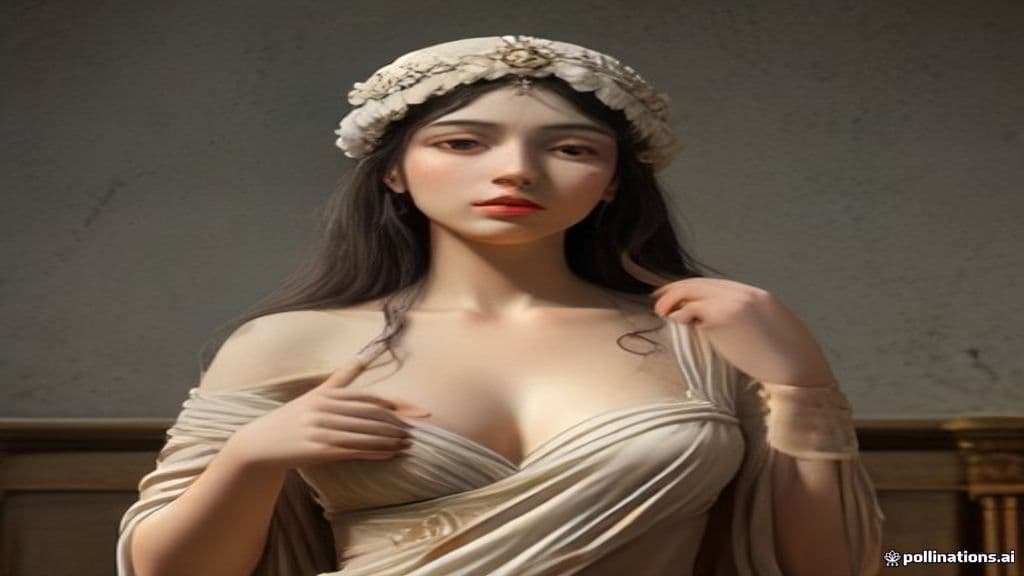
Penelope
Penelope is a legendary mortal queen of Ithaca in the Homeric epic tradition, famed for her marital fidelity to Odysseus and for using weaving as a stratagem to delay remarriage. Later commentators record etiological and folk-etymological tales linking her name to certain birds (pēnelopes) and to motifs of disappearance and return.
Community Record
- [1]Eurycleia (nurse of Odysseus) — Wikipedia. "Eurycleia, or Euryclea, is the daughter of Ops and granddaughter of Peisenor, as well as the wet-nurse of Odysseus."wiki
- [2]Palate Cleanse: Private Cheffing/Wet Nursing/Social Theory of Human Necessity. "Her name means broad fame."other
- [3]Alchetron — Odyssey summary. "Odysseus then swears Eurycleia to secrecy."wiki
- [4]The Odyssey (1968 miniseries) — summary. "Before leaving, Telemachus asks the nurse Eurycleia not to say anything to Penelope."other
- [5]Storgy — The Odyssey: Study Guide & Analysis. "Eumaeus, the swineherd, and Eurycleia, the nurse, remain loyal"literary
- [6]Mythweb — The Odyssey: Book Two. Passage noting Telemachus instructs Eurycleia to prepare barley meal and wine for the crew.literary
- [7]The Penelopiad — Wikipedia (retelling cited for later interpretation). Modern retelling noted for presenting interpretive details about household attitudes (used as interpretive source, not Homeric core).other
- [8]Wikiplot (wikiplot_288) — Odyssey summary. Reference to Odysseus swearing Eurycleia to secrecy and related plot summary.other