
The sources treat the fire-breathing monster as a functional category rather than a single origin myth. Individual traditions locate such creatures within their own mythic histories: for instance, biblical Leviathan is depicted in Job as a sea-monster whose breath kindles coals (Job 41:19–21), Greek and Roman myths include early examples such as the Chimera, the Khalkotauroi (brazen-hooved bulls) and the giant Cacus (a son of Vulcan) whom Hercules slays, and later literature (Beowulf) and modern fantasy inherit the motif as a standard adversary. Some traditions use fire-breathing beings etiologically (e.g., breath as cause of volcanic eruption in accounts linking Enceladus to Mount Etna) while others cast them as hoard-guarding or predatory antagonists defeated by heroes (sources: Wikipedia: Fire-breathing monster and cited passages within).
Descriptions vary by tradition in the provided sources. Forms recorded include hybrid monsters (Chimera), brazen-hooved bulls (Khalkotauroi), giant humanoid or monstrous sons of deities (Cacus), sea serpents (Leviathan, Ikuchi, Bakunawa, Gaasyendietha), winged crocodile- or snake-like monsters (Ninki Nanka), a bird emitting ghostly cold fire (Basan), and a giant snake deity associated with earth and volcanoes (Ten Ten-Vilu). European literary exemplars (the Beowulf dragon, later Smaug) follow a draconic form associated with hoards and destructive breath. The unifying visible trait across these variants in the sources is an orifice (mouth or nostrils) capable of emitting fire, flame, smoke, or coal-kindling breath.
The primary, consistently attested ability is expelling fire-like phenomena—phrased in the sources as 'shoot fire from its mouth,' 'breath kindles coals,' 'emit flames,' 'emit smoke,' or 'spit fire.' Narrative roles attached to this ability include causing destruction, frightening humans (Book of Wisdom notes such beasts could 'scare humans to death simply by seeing them'), functioning as adversaries overcome by heroes (e.g., Jason, Heracles/Hercules, Beowulf), and serving etiological purposes (e.g., the breath of giants associated with volcanic eruptions). Variants include unusual elemental descriptions such as Basan's 'brightly hued cold ghost-fire.' In modern fantasy the power is a stereotyped offensive capability (e.g., Smaug's fire breath; Balrog's use of flames and fireballs) (sources: Wikipedia and cited passages).
Weaknesses
- otherdefeat by heroic combat
- otherdivine opposition or catastrophe (implicit in biblical/ancient texts)
Wards
None recorded.
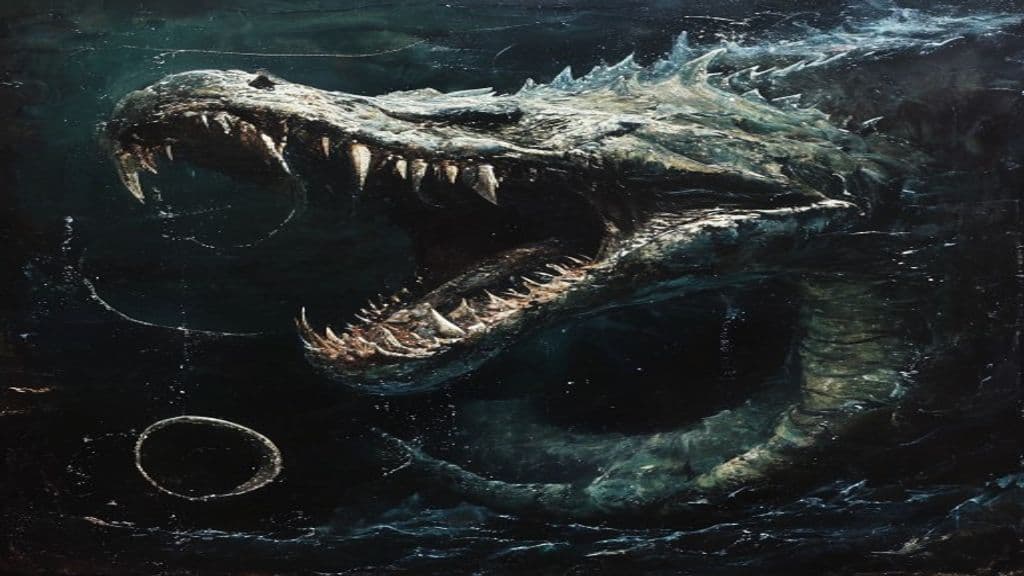
Leviathan
A giant sea serpent in Jewish mythology, embodying chaos and serving as a metaphor for a powerful enemy. (Note: - Power tier should be Ancient (Leviathan's abilities are often described as deity-level, such as threatening the damned after their lives are over and being annihilated) - Appearance is not mentioned)
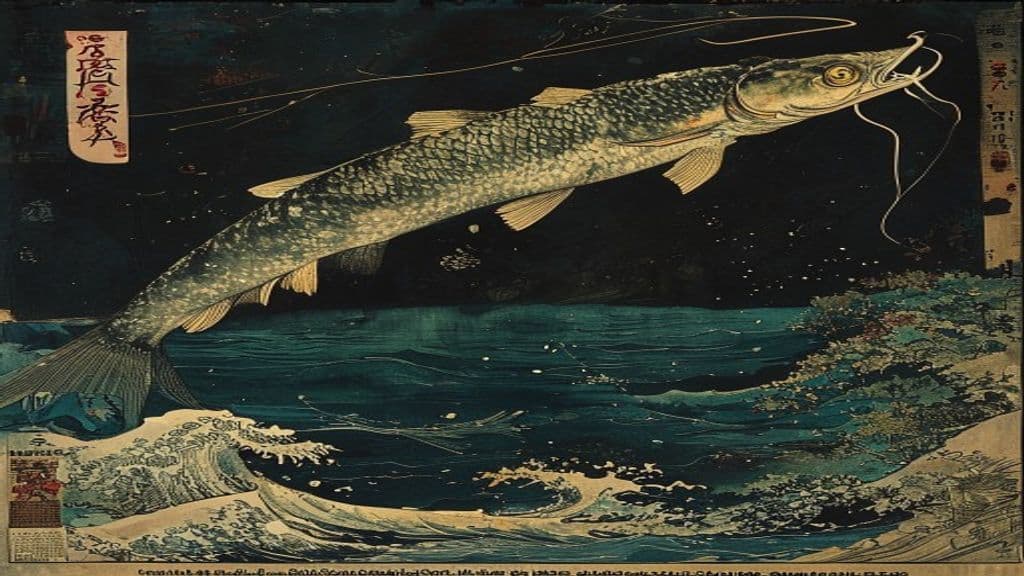
Ikuchi
An Edo-period Japanese maritime yōkai reported as an enormously long sea creature that appears at night to slither over ships and deposit copious viscous oil, forcing crews to bail and cleanse their vessels to avoid sinking.

Bakunawa
A dragon- or serpent-like mythic being from Philippine tradition associated with the moon and eclipses; its actions explain lunar eclipses and some natural phenomena and were integrated into ritual practice and calendrical knowledge.
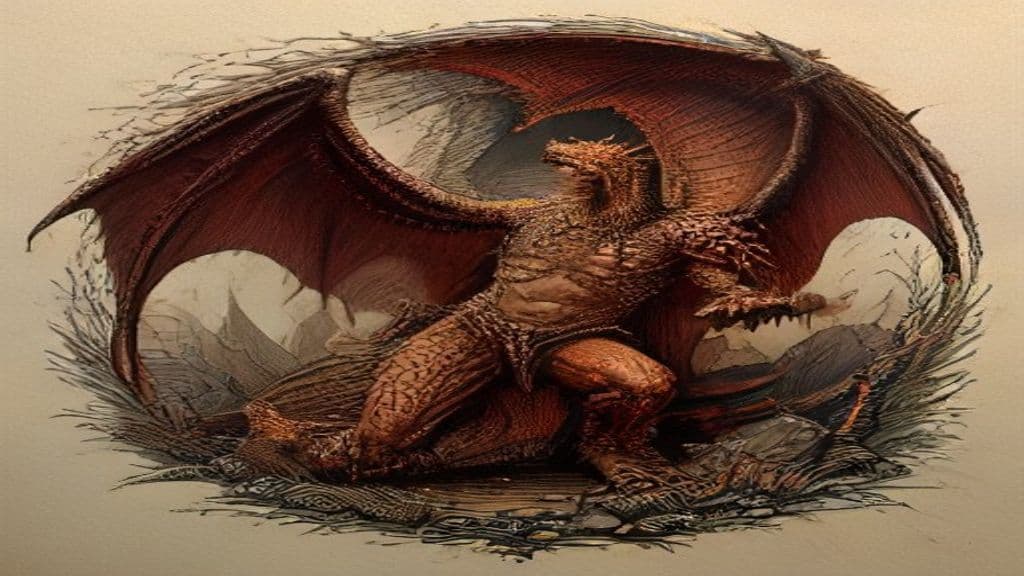
Smaug
Smaug is a singular, ancient dragon from J. R. R. Tolkien's legendarium (The Hobbit). He seized and occupied the Dwarf-kingdom of Erebor, guarded a vast hoard for centuries, and is portrayed as a highly intelligent, speech-capable, and vainglorious hoard-guardian whose single exposed belly-spot proves fatal.
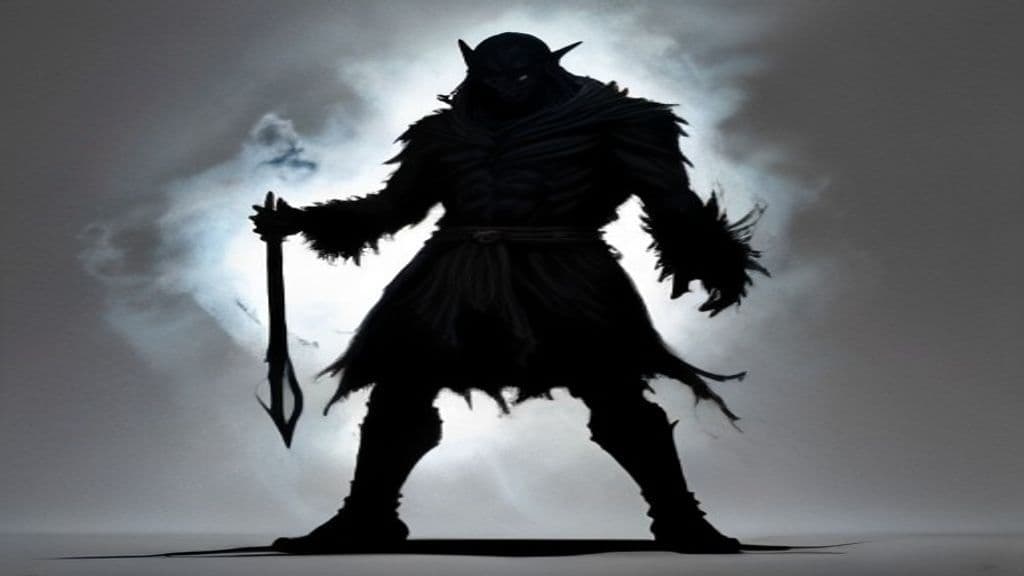
Balrog
In J. R. R. Tolkien's legendarium, a Balrog is a Maiar spirit corrupted into a warlike, fire-associated servant of the Vala Melkor (Morgoth). Balrogs appear as towering, shadowed figures wreathed in fire and wielding fiery whips and weapons; in Tolkien's later conception they are rare, exceptionally powerful beings whose defeat generally required opponents of comparable metaphysical order.
Community Record
- [1]Fire-breathing monster — Wikipedia. Wikipedia, 'Fire-breathing monster' and cited examples within (Chimera, Khalkotauroi, Leviathan, Cacus, Ikuchi, Basan, Bakunawa, Gaasyendietha, Ninki Nanka, Ten Ten-Vilu; references to Beowulf, Smaug, Balrog).wiki
- [2]Wikidata: fire-breathing monster. Wikidata entry Q112980285 (metadata linked to the fire-breathing monster concept referenced by the provided source set).other
- [3]Archive items (contextual source list). Archive.org items listed in the research notes were provided as part of source materials but do not supply additional ritual or etymological details on the fire-breathing monster motif in the excerpts provided.other