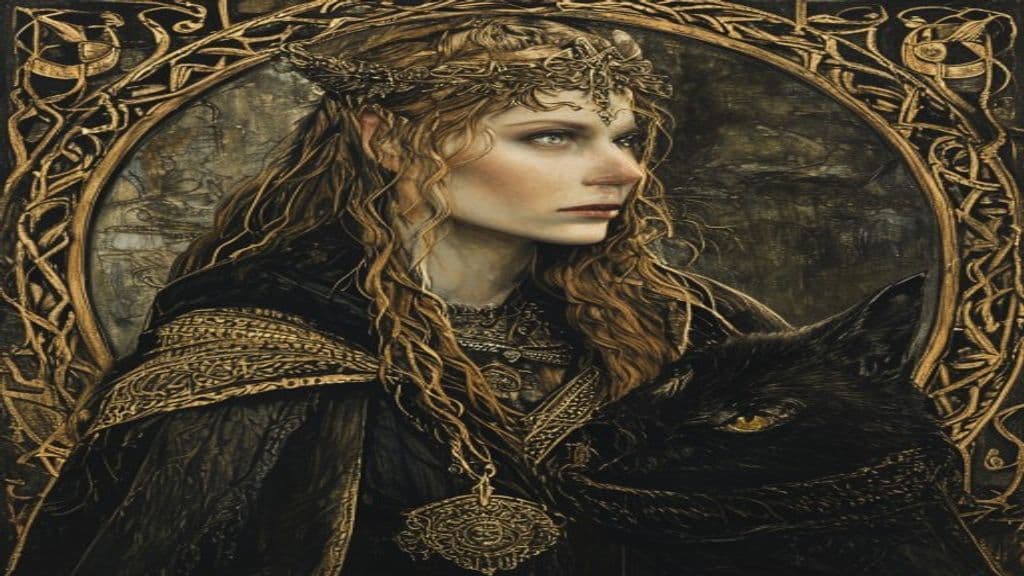
In Old Norse sources Freyja is presented as a member of the Vanir, daughter of the god Njörðr by his sister, and twin to the Vanir god Freyr. She is married to the god Óðr, whose frequent absences in the texts provoke her weeping and searching; the sources report that she bears daughters named Hnoss and Gersemi. Freyja's name is an Old Norse term meaning "lady, mistress," derived from Proto-Germanic *frawjōn, and is etymologically paired with Freyr ('lord'); scholarship recorded in the sources suggests that 'Freyja' may represent an epithet that replaced an older personal name. She is attested in the Poetic Edda and Prose Edda, in skaldic poetry, and in later Scandinavian folklore, indicating both literary and popular continuity.
Primary attestations emphasize Freyja's attributes rather than a single standardized bodily description. Textual sources identify her as the owner of the famed necklace Brísingamen, the rider of a chariot drawn by two cats, and the mistress of a boar named Hildisvíni. She possesses a cloak of falcon feathers that enables her to assume a falcon hamr (changed guise), and this cloak is sometimes lent to other figures in mythic episodes. These emblematic possessions (necklace, cats, boar, feathered cloak) function as her principal identifying signs in poems and prose accounts.
Freyja is associated with seiðr, a form of Norse magic concerned with seeing and influencing the future; this locates her among practitioners of prophetic and manipulative arts in the mythic corpus. She can shape-change by means of a feathered cloak into a falcon form, and mythic narratives show her lending the cloak to others. In the martial and eschatological order she receives half of those slain in battle into her field, Fólkvangr, and entertains them in her hall Sessrúmnir, a function that overlaps with valkyrie roles. Literary sources also portray her as invoked in matters of love and fertility, pursued by jötnar who desire her, and grieving for her absent husband Óðr, for whom she sheds tears of red gold.
Weaknesses
- otherNo specific weaknesses are attested in the primary sources cited
Wards
- otherNo specific wards or rituals for repelling Freyja are attested in the provided sources
Freyr
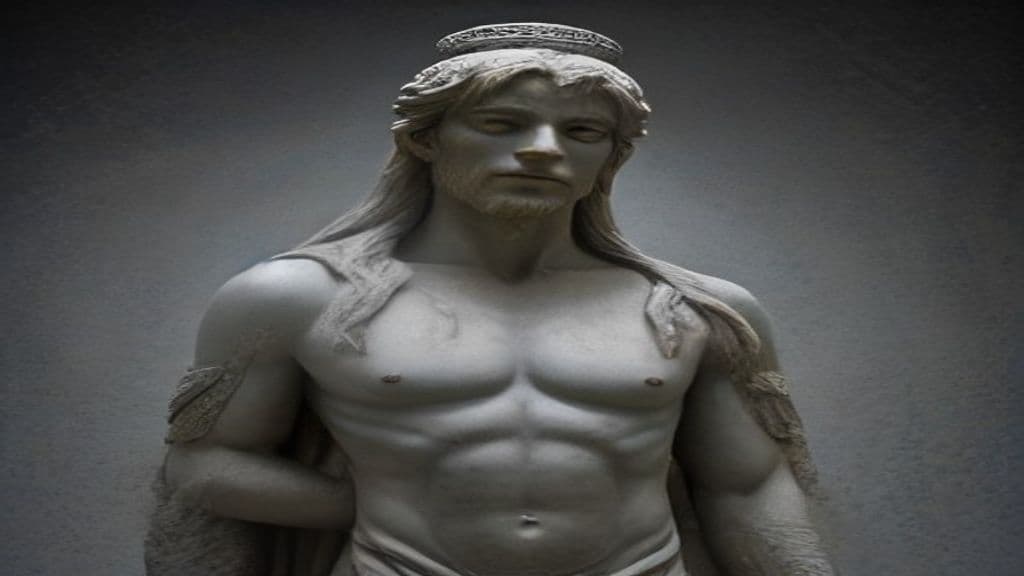
Freyr is a major Vanir deity in Old Norse myth associated with kingship, fertility, prosperity, fair weather, peace, and good harvests; he is attested in medieval Icelandic sources (Snorri) and continental reports (Adam of Bremen) and figures in myths of courtship, possession of magical artifacts, and eschatological death at Ragnarök.
Odin
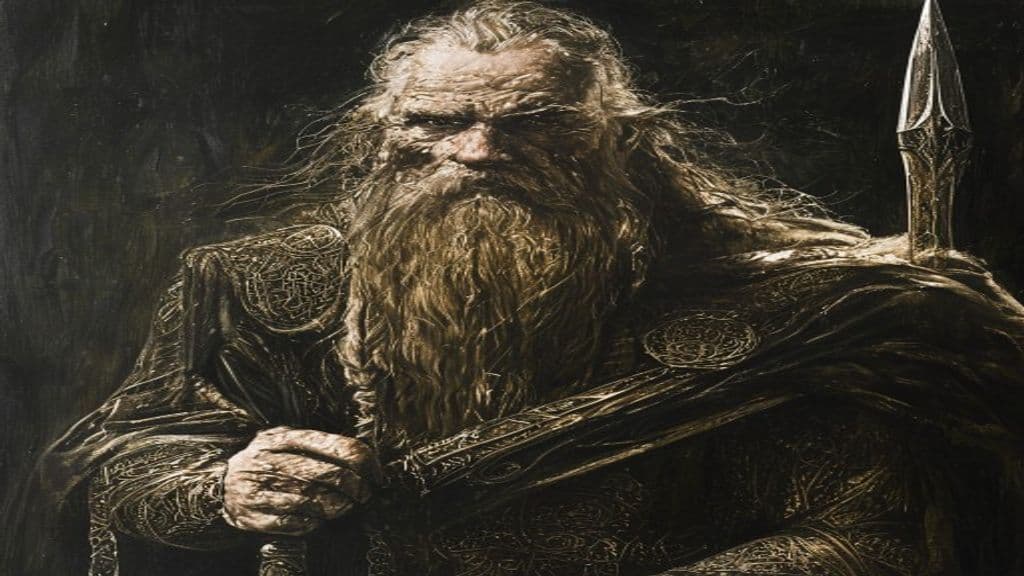
Odin (Old Norse: Óðinn) is the chief god of the Norse (Æsir) pantheon, a multifaceted deity associated with wisdom obtained by sacrifice, poetic inspiration, death and warfare, and rulership over the hall Valhöll where chosen slain warriors (einherjar) dwell. He appears throughout Germanic tradition from Roman-era accounts through the Viking Age and in later folklore as leader of the Wild Hunt.

Valkyrie
The valkyrie (Old Norse valkyrja, “chooser of the slain”) is a set of semi-divine female figures in Old Norse poetry and saga who choose warriors slain in battle, guide the chosen to Odin’s hall (Valhalla), and serve the einherjar there. Literary and archaeological sources depict them as armed riders, occasional lovers of men in swan‑maiden episodes, and in older imagery as fate‑weaving death spirits.
Community Record
- [1]Freyja. Wikipedia: Freyjawiki
- [2]Freyja (Wikidata). Wikidata entry for Freyjaother
- [3]Freyja — folk recording reference (modern uses). Mainly Norfolk: Freyja (modern folk use reference)other