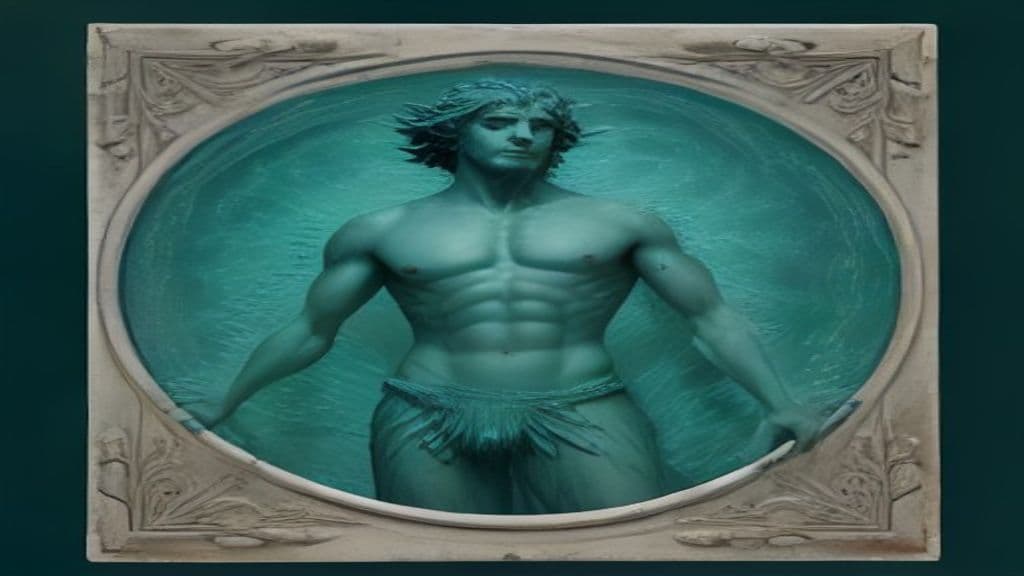
Multiple classical traditions describe Glaucus as originally a mortal fisherman (often associated with Anthedon in Boeotia) who encountered a magical herb. In Ovid's summarized account and in other classical summaries, the herb produced a metamorphosis: it is said to have revived fish and in variants to have restored a hare, and when Glaucus tasted it he underwent change and entered the sea. Some accounts present him as received among the sea-deities by Oceanus and Tethys; other local variants give differing genealogical or topographic details. Sources vary on precise mechanics and outcomes of the transformation.
Classical sources portray Glaucus with distinctly piscine features: merman-like morphology such as fins and a fish-tail (Ovid summary), producing a fish-like appearance that appalled some mortals and nymphs (the Scylla episode). Other summaries note simply that he became a sea-being without uniform visual detail. One late source (John Tzetzes) is reported to claim he became 'immortal, but not immune to aging,' a variant attributed to that author rather than a universal trait.
Narrative and scholastic sources attribute to Glaucus prophetic ability — he gave prophecies to those who asked and in some traditions taught or was associated with the art of prophecy (Athenaeus citing Nicander/Aristotle). He is also described in mythic episodes as appearing to voyagers and seafarers (Argonauts, Menelaus) and as being believed to come to the rescue of sailors and fishermen in storms. He pursues erotic attachments to mortals and nymphs (notably Scylla, Ariadne in some tales), actions that in narratives precipitate further divine interventions (e.g., Circe's jealousy and the transformation of Scylla). The magical herb connected to his change is itself credited in some traditions with restorative properties for fish (and in one variant, a hare), and ingestion by humans produces metamorphosis or divine madness in certain accounts (Athenaeus/Nicander traditions).
Weaknesses
- otherNo hostile weaknesses recorded in supplied sources
Wards
- otherNo documented wards or rituals to repel Glaucus in supplied sources
Apollo
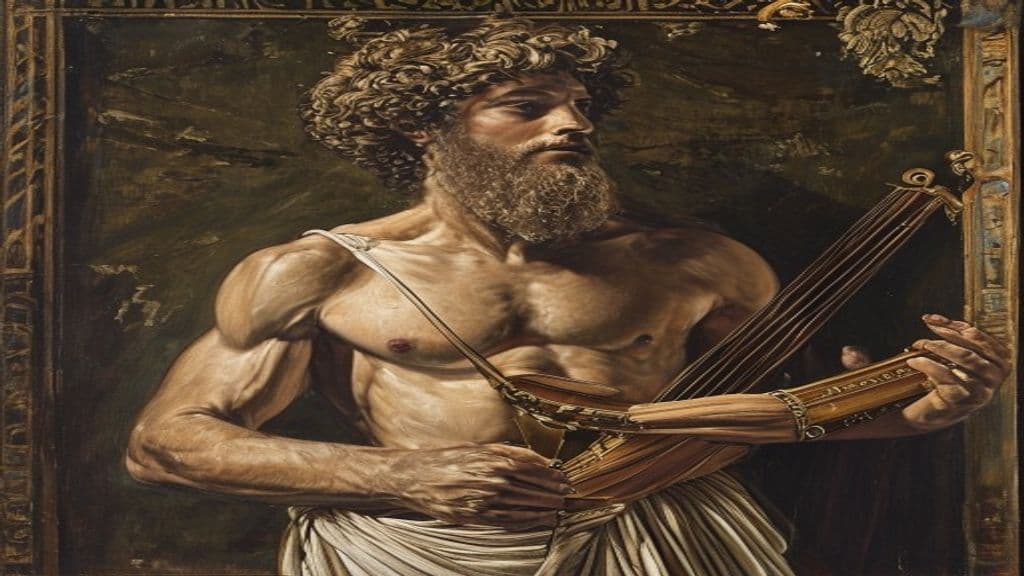
Olympian deity of ancient Greek religion associated with prophecy, healing, music, archery, purification, and civic order. Principal patron of the Delphic oracle, protector of youth and flocks, and ambivalently both healer and bringer of plague.
Circe
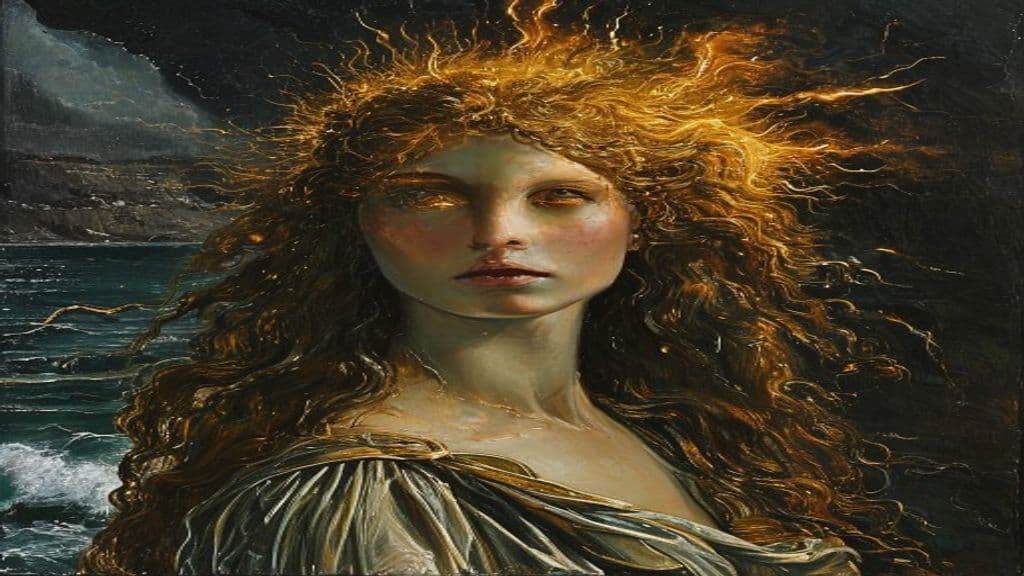
Circe is a figure of Greek myth known as a practitioner of potent pharmacological and ritual arts who occupies a liminal status between goddess, nymph, and witch. She is famed for her knowledge of herbs and potions, her ability to transform humans into animals in narrative episodes, and for performing ritual purification in at least one classical source.
Scylla
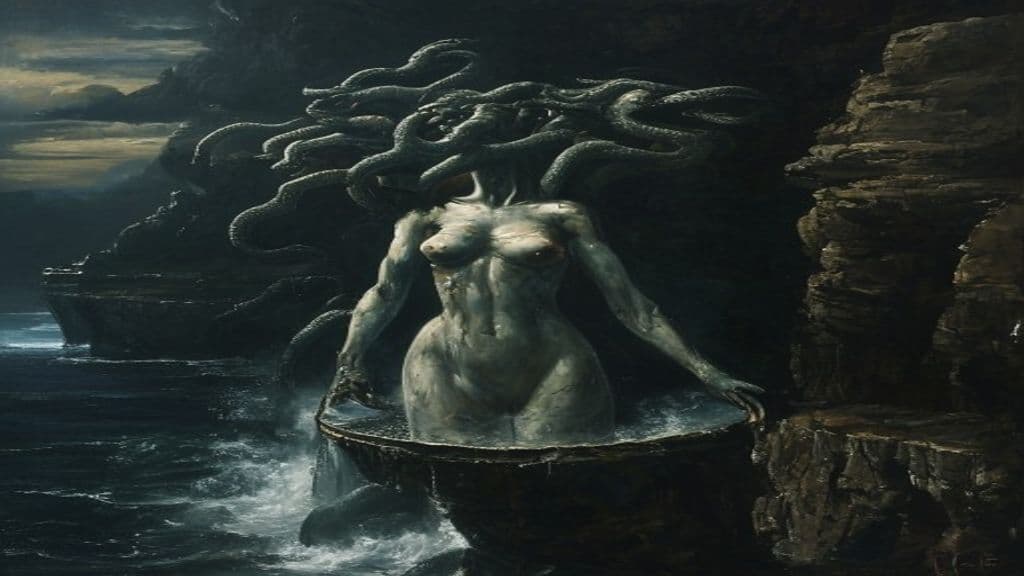
A six-headed sea monster lurking in a narrow strait, snatching sailors from passing ships — the original origin of the phrase 'between Scylla and Charybdis.'
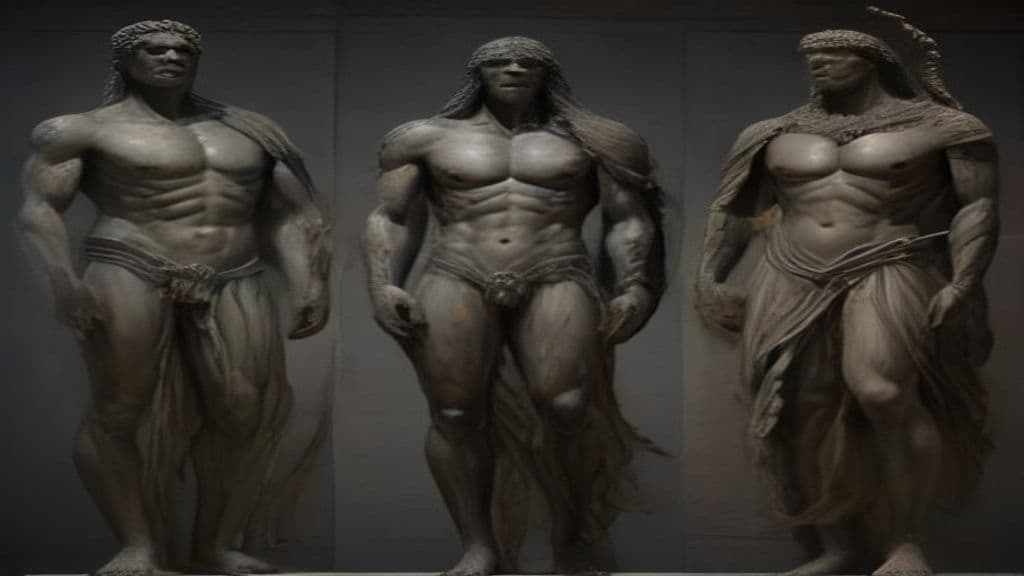
Argonauts
A band of human heroes in Greek myth who sailed aboard the ship Argo under Jason to Colchis to retrieve the Golden Fleece. Their identity is defined by membership in the celebrated voyage and by shared heroic lineages; membership lists and details vary by source.
Community Record
- [1]Glaucus - Wikipedia. Wikipedia: Glaucus (summary of classical sources including Ovid, Athenaeus, Apollonius Rhodius, Diodorus Siculus, Euripides, Hyginus, etc.)wiki
- [2]Glaucus - Wikidata. Wikidata entry for Glaucus (identifier and linked data)other
- [3]Glaucus (myth) summary page (mirror). Compiled summary of classical traditions concerning Glaucus (alternative online compilation cited in research notes)other
- [4]Audio archive references (name usage examples). Archive: APG 424 - I Wear Fishnet (modern usages of the name Glaucus cited in notes)other