
Linguistically, English hag is a shortening of Middle English hægtesse (Old English term for 'witch') and traces back to Proto-Germanic *hagatusjon- of unknown origin; the first element may be related to 'hedge'. Folklorically the hag-concept in the supplied sources represents a convergence of several regional figures and ideas: nightmare spirits (Old English mæra / Scandinavian mara), river/pond cautionary monsters (Peg Powler, Jenny Greenteeth), woodland/otherworld dwellers (Baba Yaga), and sovereignty or seasonal goddesses (the cailleach, The Cailleachan). The supplied material treats 'hag' as an umbrella term rather than a single origin narrative.
Across sources the common image is 'a wizened old woman,' but features vary by local figure. River hags like Peg Powler are described with green, scum-coloured skin and long arms used to seize victims; Baba Yaga is a forest-dwelling hag associated with a hut on chicken legs and with travel in a mortar while sweeping tracks with a broom; cailleach-figures are hag-goddesses whose aged, harsh appearance embodies winter and barren land. No single standardized physical template is given in the sources—appearances depend on regional role and function.
Reported abilities differ by tradition. The 'Night Hag' (Old Hag) sits on a sleeper's chest, produces nightmares and an experience historically described as 'hagridden' (temporary paralysis and difficulty breathing on waking). River hags (Peg Powler, Jenny Greenteeth, Nelly Longarms, Grindylow) are described in cautionary tales as pulling children into water, drowning them, and in some accounts eating them. Some hag-figures function as shapeshifting or chosen forms of larger deities (e.g., Morrígan/Badb) or as sovereignty figures (Irish tales where acceptance of the hag leads to her revealing a young, beautiful goddess), and cailleach figures are associated with weather and seasonal powers (storm-raising, winter agency).
Weaknesses
- conditionsocial acceptance / bravely accepting the hag (sovereignty hag motif where hero's acceptance leads to transformation)
- otherno specific physical or ritual weaknesses documented in the supplied sources
Wards
- conditionavoidance and parental warning (storytelling used to keep children away from dangerous river edges)
- otherno documented named rituals, formulas, or protective procedures against hag-attack are present in the supplied material
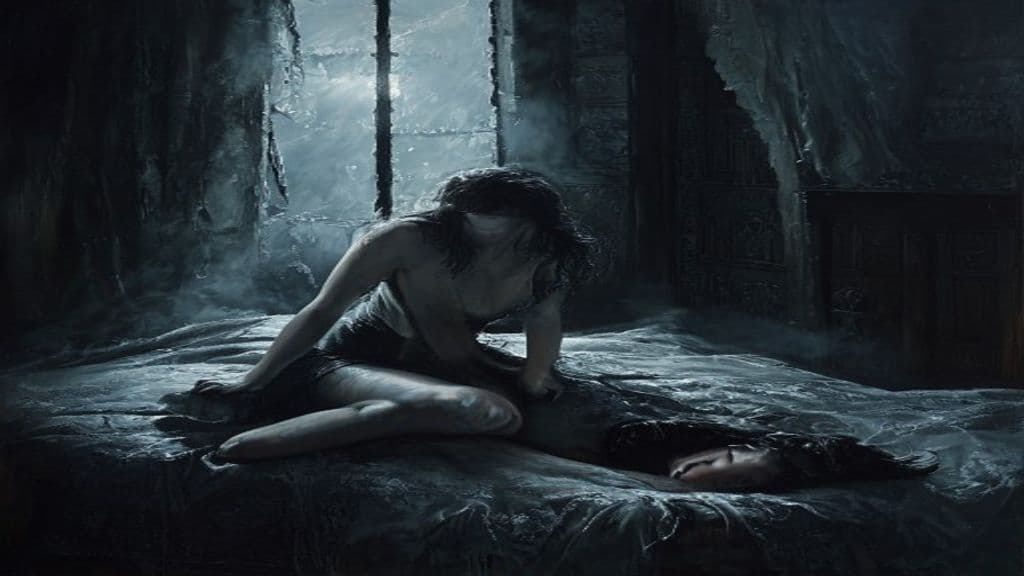
Mara
The nightmare spirit of Northern European tradition who rides sleeping people at night, causing suffocation, terror, and the sensation of an invisible weight on the chest.

Cailleach
A Gaelic 'veiled old woman' figure who personifies winter and its elemental forces; credited in tradition with shaping the landscape (mountains, hills, valleys) and with controlling storms and seasonal turnover. Treated both as a singular mythic sovereign (e.g., the Hag of Beara / Beira) and as a type (plural cailleachan or 'storm hags') in regional lore across Ireland, Scotland and the Isle of Man.
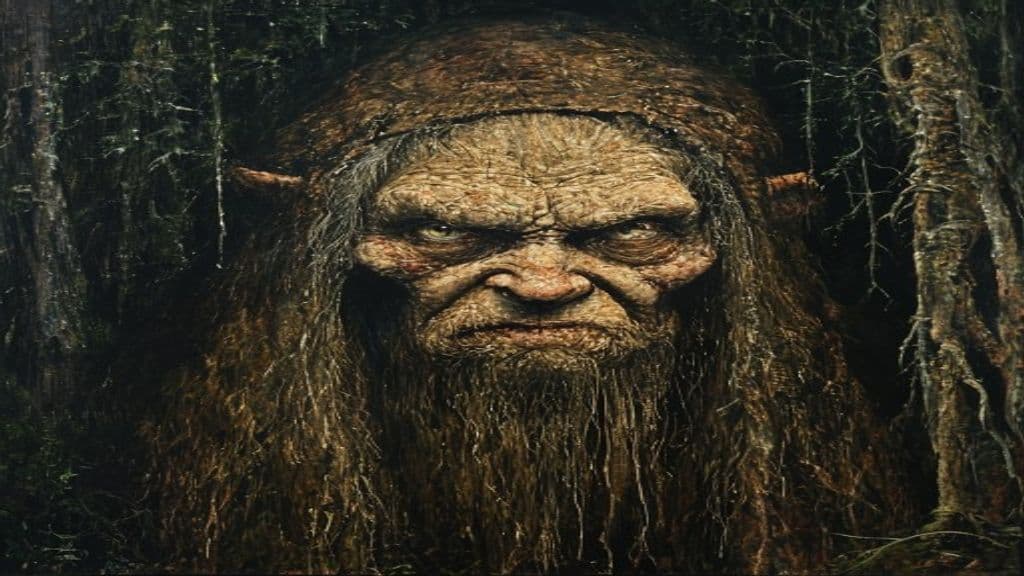
Baba Yaga
Baba Yaga is an ambivalent female figure of East Slavic folktale tradition, depicted variously as a fearsome, child-eating crone or as a helpful, maternal donor. She is associated with the deep forest, a hut described as standing on chicken legs, and the motific accoutrements of a mortar and pestle.
Community Record
- [1]Hag. Wikipedia contributors, 'Hag,' Wikipedia, The Free Encyclopediawiki
- [2]The Old Hag. Bewildering Stories, 'The Old Hag'folk
- [3]Peg Powler; Jenny Greenteeth; river-hag motifs (summary in Wikipedia). Wikipedia contributors, 'Hag' (sections citing Peg Powler, Jenny Greenteeth)wiki
- [4]Baba Yaga (as hag-figure; description summarized). Wikipedia contributors, 'Hag' (section referencing Baba Yaga)wiki
- [5]Cailleach and The Cailleachan (hag-goddess / storm hags). Wikipedia contributors, 'Hag' (section referencing cailleach/The Cailleachan)wiki