Helenus is described in the epic tradition as a son of Priam and Hecuba, often presented alongside Cassandra as belonging to the same prophetic family. In Homeric scenes he appears as a Trojan prince during the Trojan War; later Roman epic and subsequent summaries place him among the displaced Trojans who become rulers in parts of Greece (Virgilic accounts). The supplied sources treat Helenus as a mortal whose prophetic faculty connects him to the gods' counsel rather than as an immortal or independent supernatural being.
The supplied sources do not provide a detailed physical portrait of Helenus (no measurements, hair or clothing descriptions). In Homeric passages he is depicted in the roles typical of an epic prince: taking part in council, going out to the battlefield (appearing beside Hector and Deiphobus), and being wounded in combat. Later summaries and Virgilic tradition characterise him as a settled ruler (king of parts of Epirus / Greek cities) and husband to Andromache, but no concrete visual description is given in the cited materials.
Helenus's primary and repeatedly attested ability in the sources is prophetic divination. Homeric lines describe him as one who 'divined the counsel of the gods' and as a seer whose pronouncements are used in military counsel. He also functions as a wartime counselor and combatant (wounded alongside Deiphobus in the Iliad), and later as a political ruler who restores Trojan identity in exile (Virgil's Aeneid summarizes how 'Helenus reviv'd the Trojan name, And reign'd in Greece'). The supplied material frames these as human-scale prophetic and political capacities rather than cosmic or divine powers.
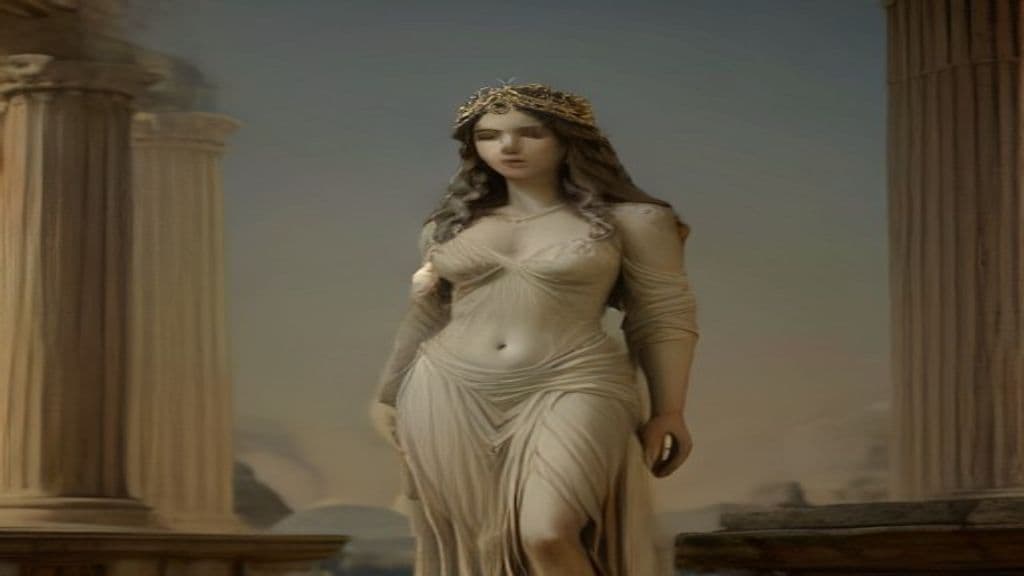
Cassandra
A mortal Trojan princess and priestess of Apollo who utters true prophetic visions but is divinely cursed so that her true predictions are not believed; appears in the corpus of Greek epic and tragedy associated with the Trojan War and its aftermath.
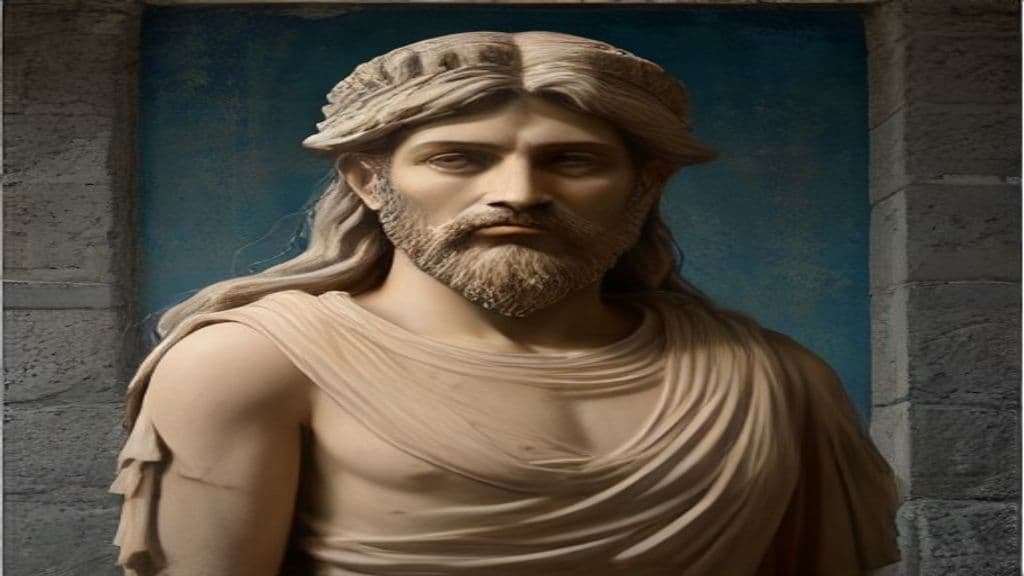
Deiphobus
Deiphobus (Ancient Greek Δηΐφοβος) is a Trojan prince, son of King Priam and Hecuba, attested across Homeric epic and later Greek and Roman narratives as a warrior of the Trojan War. He appears in the Iliad among Trojan leaders, is given expanded roles in post‑Homeric sources (notably Euripides, Dares, Dictys, Malalas) and in Vergil’s Aeneid is depicted posthumously as a horribly mutilated corpse who recounts his death.

Calchas
Calchas is a human Argive seer (mantis, oionopólos) of the Trojan War tradition, a member of a hereditary mantic family who interprets omens and entrails on behalf of Greek commanders and declares the will of Apollo to guide ritual and military decisions.

Andromache
Andromache (Ancient Greek Ἀνδρομάχη) is a human figure of ancient Greek literary tradition: the wife of Hector of Troy who exemplifies virtuous fidelity, ritual mourning, and the losses suffered by women in war. She appears in Homeric epic and later classical sources as grieving spouse, captive concubine after Troy's fall, and later queen in post-war narratives.
Community Record
- [1]Helenus (son of Priam) - Wikipedia. Wikipedia, 'Helenus (son of Priam)'wiki
- [2]The Iliad by Homer (Book VII and XIII references). Homer, Iliad (passages cited where Helenus 'divined the counsel of the gods' and appears on the battlefield)literary
- [3]The Iliad by Homer (Book XIII). Homer, Iliad, Book XIII (mentions Helenus wounded alongside Deiphobus)literary
- [4]Aeneid, Book III - Virgil (summary lines). Virgil, Aeneid, Book III (summarized line: 'How Helenus reviv'd the Trojan name, And reign'd in Greece')literary
- [5]Tryphio585 summary page. Tryphio585 (summary noting Helenus 'had the gift of prophecy' and mentions Ida and rivalry for Helen)other
- [6]The Iliad - public domain edition. Homer, The Iliad (public-domain edition used for referenced passages)literary