In the predominant genealogical tradition Hellen is presented as a descendant of the generation after the flood, commonly named as a son of Deucalion and Pyrrha. Variant accounts recorded in the scholia and later mythographers offer alternative filiations—some traditions cite Zeus (or introduce Prometheus-related confusion), and some sources record differing placements (e.g., Hellen as brother or grandson of Deucalion in certain local genealogies). Hellen's principal mythic role is as progenitor: his sons (notably Dorus, Xuthus, and Aeolus) become eponymous ancestors of major Greek tribal groups, and it is through the growing preeminence of Hellen and his line in Phthiotis that the ethnonym 'Hellas' comes into use in the literary tradition.
Literary sources cited are genealogical and do not provide a consistent physical description of Hellen. No reliable, detailed iconographic or textual portrait appears in the surveyed material; references treat him as a named ancestral figure rather than focusing on corporeal features. (The available notes indicate only limited and untranslated mention of an iconographic instance in secondary literature, but no sustained literary description is attested in the provided sources.)
Sources attribute no supernatural powers to Hellen; his defining activity in the traditions is generative and genealogical—fathering sons whose lines structure Greek ethnogenesis—and political prominence in Thessaly (growing strong in Phthiotis) that, according to Thucydides and other commentators, enabled the spread of the collective name 'Hellenes.' The accounts treat him as a mortal/heroic ancestor rather than a divine or magical agent, though variant traditions sometimes link him to divine parentage.
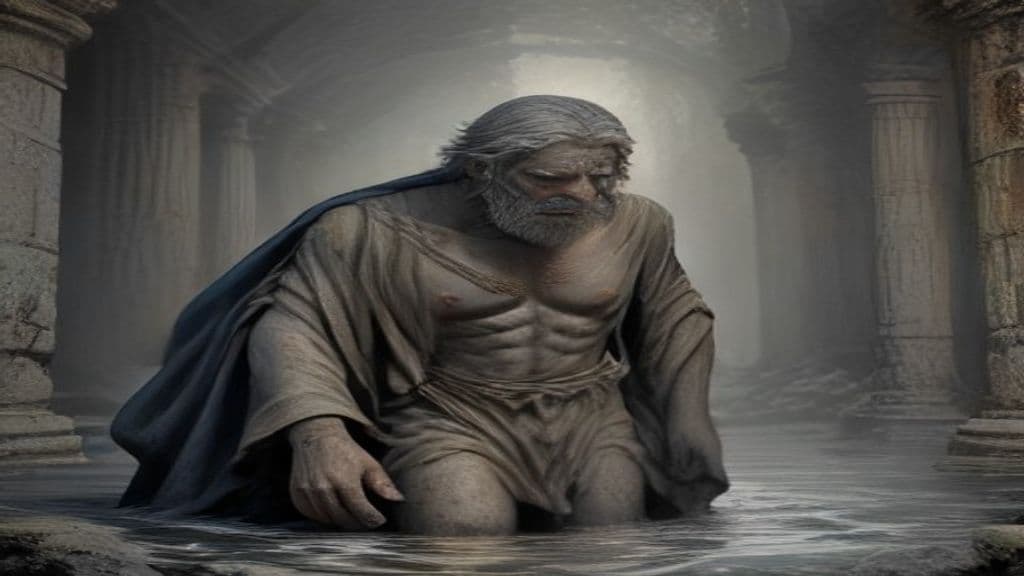
Deucalion
Deucalion (Ancient Greek: Δευκαλίων) is a mortal culture-hero in Greek myth who survives a divinely-sent primeval flood and, with his wife Pyrrha, re-populates the world by throwing stones that become humans. He is portrayed as a king, founder of cities and temples, and son of Prometheus in many traditions.
Dorus
In the supplied sources Dorus is identified as an eponymous ancestral figure in Greek mythology, described succinctly as the founder of the Dorians. The available material treats Dorus as a mythic name used to explain ethnic origin rather than as an actively described supernatural being.
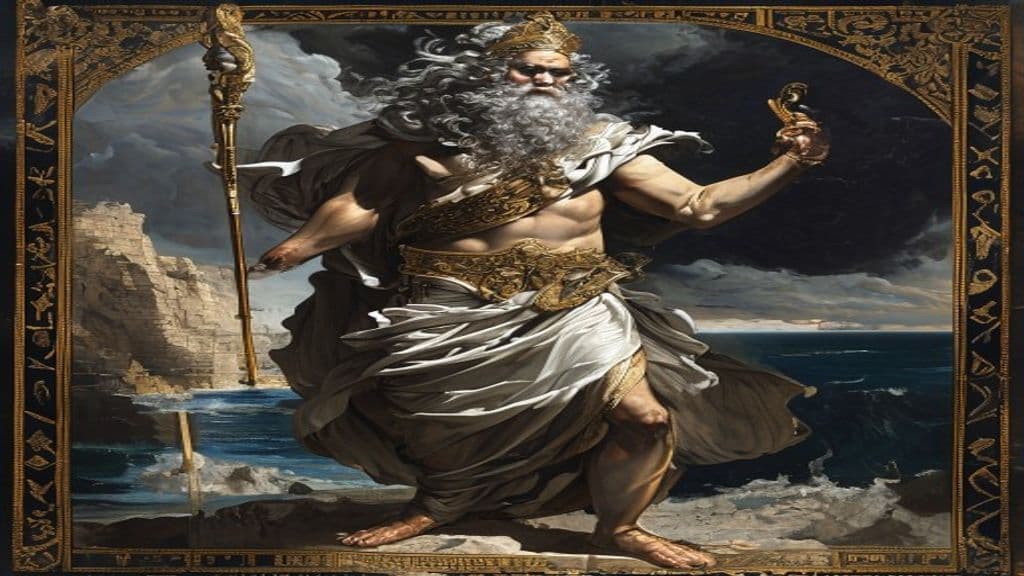
Aeolus
Aeolus is a name applied to multiple related figures in Greek myth: an eponymous son of Hellen (founder of the Aeolian people), a son of Poseidon who led colonial ventures to Tyrrhenian islands, and a son of Hippotes depicted in epic as a ruler or keeper of the winds. Ancient mythographers note confusion and overlap among these persons.
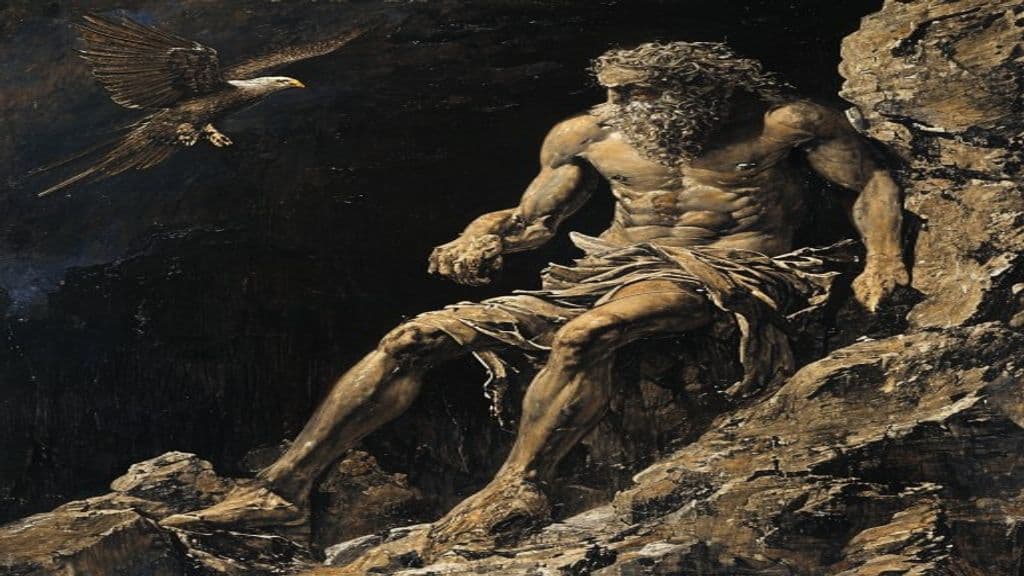
Prometheus
Prometheus is a Titan of ancient Greek myth credited as a benefactor and culture-bringer to humanity, most famously for stealing fire from the Olympian gods and giving it to people. He is portrayed as intelligent and forward-looking (etymologically associated with 'forethought'), and as punished by Zeus for his transgression.
Community Record
- [1]Hellen - Wikipedia. Wikipedia contributors, 'Hellen,' Wikipedia, The Free Encyclopediawiki
- [2]Wikidata entry for Hellen. Wikidata, Q56451331other