In Mexica religious and calendrical thought Huēhuecoyōtl is presented as an aged-coyote deity whose name combines huēhueh ('very old') and coyōtl ('coyote'). Sources portray him as a member of the Tezcatlipoca ("Smoky Mirror") family of gods and attribute to him a trickster role in myth: a benign prankster whose tricks sometimes backfired, a party-giver and patron of song and dance, and an agent who could create wars out of boredom. He inherited shapeshifting powers as part of the Tezcatlipoca group and occupied ritual time as ruler of the day sign cuetzpallin (lizard) and the fourth trecena Xochitl ('flower'), which located his influence within calendrical rites and consultations.
The supplied sources do not record a single canonical visual description or a consistent set of iconographic attributes. The deity's name and descriptions link him conceptually to the coyote archetype and to musical and festive contexts, but the provided materials do not supply detailed, authoritative iconographic features or costume elements.
Sources describe Huēhuecoyōtl as god of music, dance, mischief, song, deception, and uninhibited sexuality; as a trickster-figure he performs practical jokes on gods and humans (often backfiring) and could instigate wars for amusement. He is credited with storytelling and choral singing in parallels with North American Coyote tricksters, and as part of the Tezcatlipoca family he is said to possess shapeshifting powers. He is also recorded as a divine intercessor whom people appealed to when they had indications of evil fates from other gods in order to mitigate or reverse those fates. His calendrical rulership (cuetzpallin day sign and Xochitl trecena) situates his powers in ritual time.
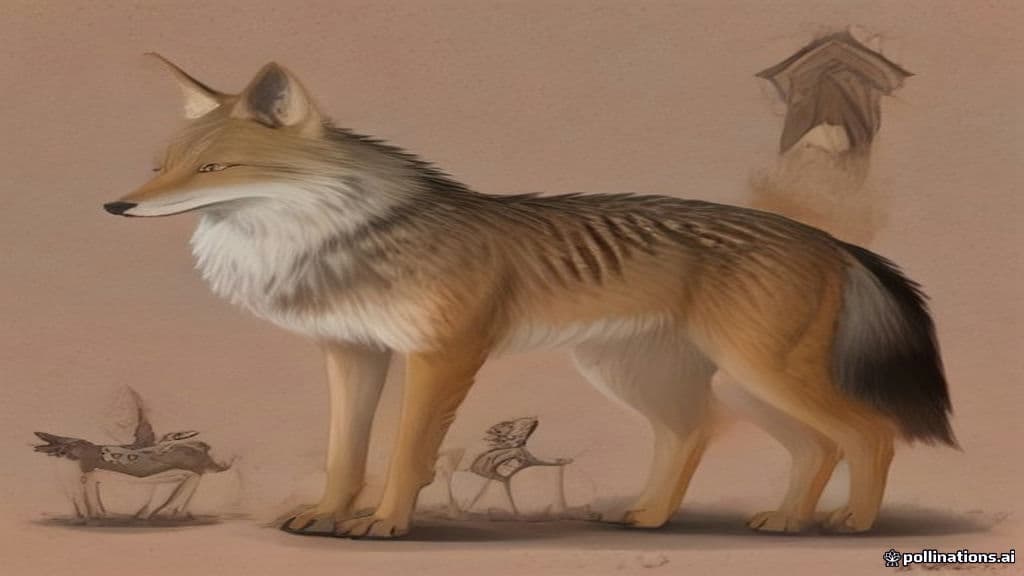
Coyote
Coyote is both a North American canid species and a recurring mythic trickster figure in various Native American traditions (notably Aridoamerican/Chemehuevi). As a cultural figure Coyote alternately appears as an animal or a man and functions as a morally ambivalent transformer and trickster in origin and social tales.
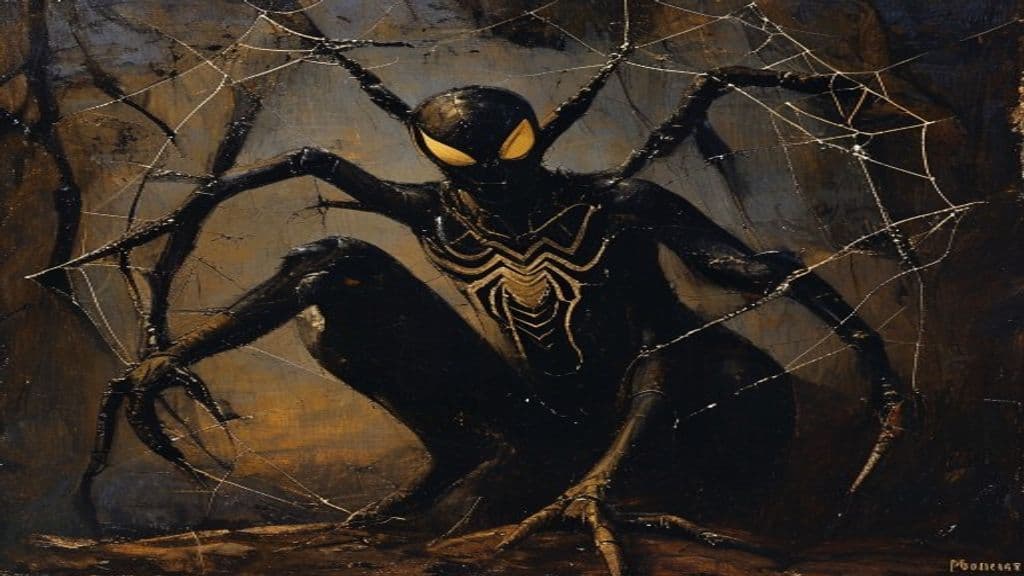
Anansi
The spider trickster god of Akan folklore — cunning, mischievous, and wise. Keeper of stories and teacher of human beings, brought through the slave trade into Caribbean and African-American tradition.

Kitsune
Fox spirits of Japanese mythology — intelligent, long-lived beings who gain additional tails (up to nine) as they age and grow in power. They serve as messengers of the god Inari and as powerful tricksters.
Acolnahuacatl
Acolnahuacatl is a name attested in central Mexican sources both as a historical Tepanec ruler of Azcapotzalco and, in several modern compilations and trivia lists, as a minor chthonic or underworld-associated figure (often given the variant Acolmiztli). The evidence in the provided material is divided: the historical/genealogical reading is supported by standard reference entries, while the deity reading appears mainly in secondary online god-lists and quizzes and is not substantiated by detailed primary ritual or mythic texts in the supplied set.
Ahuiateteo
Ahuiateteo (Āhuiatēteoh; also rendered Mācuīltōnalequeh) are a quintet of Aztec deities associated with excess, pleasure, and the dangers that accompany over‑indulgence. They appear in calendrical and codical contexts, are invoked in divinatory practice, and are thematically linked to pleasures (feasting, drinking, gambling, sex, music) and the misfortunes that follow excess.
Ahuitzotl
Ahuitzotl is both the personal name of the eighth tlatoani (ruler) of Tenochtitlan (reigned ca. 1486–1502) known for military expansion and monumental rebuilding, and an onomastic term in Nahuatl for an aquatic animal/legendary creature (commonly glossed 'water thorny' and often associated with an otter or water opossum). The sources treat these registers—historical ruler and animal-name—as related but distinct uses of the same Nahuatl lexeme.
Ahuizotl
Ahuizotl is identified in the provided sources as an Aztec mythological creature; the same lexical form also names an historical Aztec emperor (Ahuitzotl). The available materials for this entry are limited to modern reference pages and a small set of artistic and popular-culture uses of the name, and do not contain primary indigenous mythic accounts or detailed ethnographic descriptions.
Akateko
Akateko (赤手児, lit. 'red child's hand') is a yōkai from Japanese folklore commonly told as a small, red, disembodied child's hand that appears from trees—especially the Japanese honey locust—and startles travelers; in some regional variants it is accompanied by a specter of a young woman or manifests as paired foot- or leg-like apparitions. Accounts vary between mostly harmless trickster apparition and a violent variant that attacks humans.
Alicante
Alicante is attested in available reference sources as the proper name of a mythological snake identified with Mexico. The surviving entries provide only the name and a categorical label (mythological snake) without accompanying narrative, attributes, or ritual context.
Amimitl (Opochtli)
A Mexica/Aztec deity associated with fishing, hunting, and water-related technologies; identified in sources with the better-documented figure Opochtli, "The Left," who functions as a specialized patron of implements and as a representative or attendant of the rain god Tlaloc. A temple in the Tira de la Peregrinación has been interpreted by a scholar as possibly belonging to a figure labeled Amimitl, but that identification is uncertain.
Atabey
Atabey is a principal Taíno ancestral mother-spirit (a zemi) associated with fresh water, fertility, and prime matter; she appears in early ethnohistorical transmissions with multiple names and manifestations ranging from nurturing mother to violent storm-mother.
Atlacoya
Atlacoya is named in modern compilations as a figure from Aztec tradition associated with drought; some modern databases alternately classify the name under water-deity categories. The supplied sources do not provide primary-codex citations, iconography, etymology, or detailed ritual texts.
Atlahua
Atlahua is an Aztec water-associated deity attested in colonial and modern summaries as a water god described as a fisherman and archer, identified in sources as a blue/aspectual form of Tlaloc and invoked in contexts of deaths in water.
Atlaua
Atlaua (also recorded as Atlahua, Ahtlahua, Atlahoa, Atlavâ) is an Aztec water deity described in the provided sources as a water god, fisherman and archer who was worshiped at multiple temples and was prayed to by the Aztecs when there were deaths in water.
Aztec Creator-Brothers
A quaternity of primordial divine offspring in Aztec (Mexica) myth who dwell in the highest heaven Ilhuicatl-Omeyocan as children of Omecihuatl and Ometecuhtli. Identified in sources with fourfold aspects (conventionally four Tezcatlipocas / colored aspects such as Black, Red, White, Blue) they act as cosmological agents who create living beings, take turns ruling as the Sun in successive world-ages, and participate in sacrificial acts that sustain cosmic cycles.
Community Record
- [1]Huēhuecoyōtl - Wikipedia. Wikipedia contributors. "Huēhuecoyōtl." Wikipedia, The Free Encyclopedia.wiki
- [2]Huehuecoyotl - Wikidata. Wikidata entry Q1425920: Huehuecoyotl (summary).wiki
- [3]2020 Izcalli Abya Yala 2020 (archive — modern uses of name). Archive.org item referencing contemporary uses of the name 'Huehuecoyotl' in musical contexts.other
- [4]Cajas: Acústica Y Eléctrica (archive — modern uses of name). Archive.org item referencing contemporary uses of the name 'Huehuecoyotl' in musical contexts.other
- [5]Jeff Coffin Mu'tet Live at Smilefest Reunion on 2010-05-22 (archive — modern uses). Archive.org item referencing contemporary uses of the name 'Huehuecoyotl' in musical contexts.other