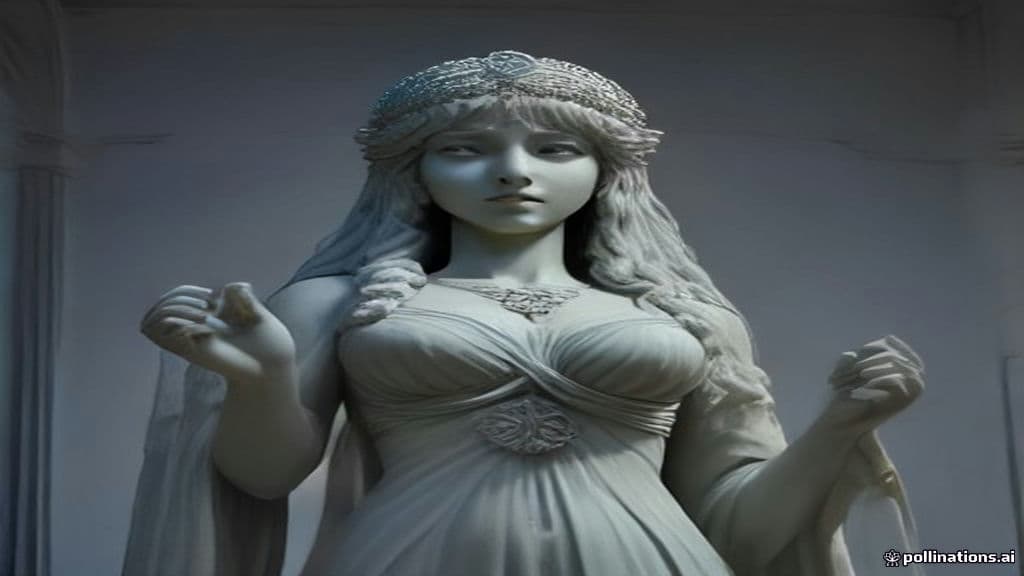
In the classical mythic genealogies Iasion is usually presented as a mortal son of Electra and Zeus and brother of Dardanus, placed among the heroic generation connected with the origins of cult and royal lines. He is best known from accounts that place him at the wedding of Cadmus and Harmonia, where he is lured away by Demeter; their union in a freshly ploughed furrow produces Plutus, the god of wealth. Multiple classical authors and later traditions describe him as founder or transmitter of the Samothracian mysteries; variant accounts also relate a marriage to Cybele and the parentage of Corybas, or describe differing fates after his liaison with Demeter (killed by Zeus' thunderbolt, killed by horses, killed by a brother, or living to old age). These divergent traditions are attested across sources summarized in modern compilations of the classical corpus.
Classical sources recorded in the surviving summaries do not provide a fixed physical iconography for Iasion; he is represented primarily through genealogy, roles, and narrative actions rather than a consistent embodied description. Stories identify him by his presence at key ritual or mythic moments — notably the ploughed furrow episode with Demeter at the marriage feast of Cadmus and Harmonia — and by his relationships (son of Electra and Zeus in many accounts, lover of Demeter, father of Plutus).
Rather than possessing portrayed personal supernatural powers, Iasion functions in the tradition as an initiatory culture-hero and ritual founder/mediator: he is described as the founder or transmitter of the Samothracian mysteries and as a human consort whose union with a goddess symbolizes agricultural fertility and the origin of wealth (through Plutus). Some later or variant accounts present him as progenitor of figures (e.g., Corybas) who are connected to Mother-Goddess cults; other traditions place him among the stars or recount his apotheosis after death. The corpus therefore treats him as an exemplary mortal intermediary in cultic origin narratives rather than as a consistently divine agent with ongoing magical interventions.
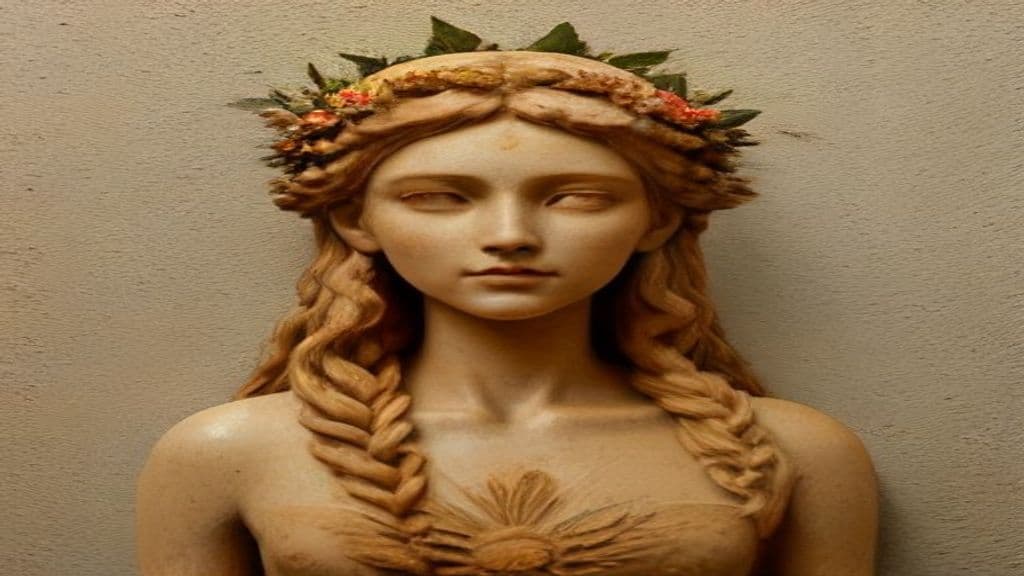
Demeter
Demeter is an Olympian goddess of ancient Greek religion who presides over agriculture, grain, and the fertility of the earth. She functions as a divine mother-figure and guardian of social customs, sacred law, and the cycle of life and death, and is central to the Eleusinian Mysteries alongside her daughter Persephone.
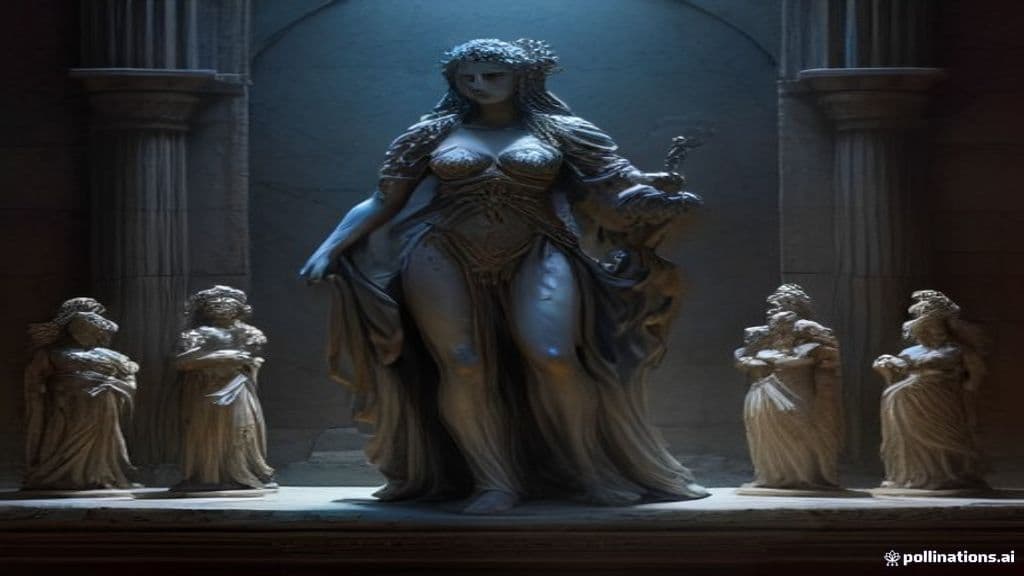
Cybele
An Anatolian mother goddess (Phrygian Matar Kubileya) whose cult centers on mountains, city protection, fertility, and wild nature; adopted and reinterpreted by Greek and Roman religion where she became associated with ecstatic rites, a eunuch priesthood (the Galli), and the Roman Magna Mater cult.
Community Record
- [1]Iasion — Wikipedia. Wikipedia contributors, 'Iasion,' Wikipedia, The Free Encyclopediawiki
- [2]Wikidata: Iasion. Wikidata entry Q849438 for Iasionwiki
- [3]Corybas (mythology) — Wikipedia. Wikipedia contributors, 'Corybas (mythology),' Wikipedia, The Free Encyclopediawiki
- [4]Draft sections of Chronology of Ancient Kingdoms Amended (Newton Project). Newton Project, draft sections referencing Iasion and transmission of ritesother
- [5]Iasion in Greek Mythology - Greek Legends and Myths. Greek Legends and Myths, 'Iasion in Greek Mythology'other
- [6]Marvunapp — Demeter (Olympian goddess). Marvunapp appendix on Demeter (references to Demeter's myths including liaison with Iasion)other