According to the Genesis narrative summarized in the provided sources (Genesis 16, 17, 21, 25), Hagar — an Egyptian handmaiden of Sarah — conceived Abraham's son after Sarah and Abraham slept together. While fleeing Sarah's harshness, Hagar encounters an angel at the well of Beer-lahai-roi who announces she will bear a son and instructs her to return; the child is named Ishmael, a theophoric name meaning 'God has hearkened.' Abraham is said to be eighty-six at Ishmael's birth. Later, when Isaac is born to Sarah, tensions lead to Hagar and Ishmael's expulsion; Abraham supplies them with bread and water and sends them into the wilderness, where God is said to care for them. God promises Abraham that Ishmael will be made a great nation and that he will father twelve princes; the narrative culminates with genealogical lists attributing twelve sons to Ishmael who become ancestral chiefs.
The provided sources do not give a detailed physical description. Narratively, Ishmael is recorded as being circumcised at age thirteen along with Abraham's household males; as a youth he is associated with a weaning/feast episode involving Isaac, and later textually described as dwelling in the wilderness and 'becoming an archer.' No specific physiognomic traits, clothing, or other visual markers are supplied in the cited materials.
The sources attribute social and practical roles rather than supernatural powers. Biblical narrative notes include: survival and life in the wilderness, development of skills described as becoming an archer, participation in household life (including the weaning feast where he interacts with Isaac), and receiving covenantal marks (circumcision) and a divine promise that his descendants will multiply into a great nation and twelve princes. In later Islamic reception summarized in the sources, Ishmael is regarded as a prophet and ancestor of certain Arab lineages — a role attribution in that tradition rather than a list of supernatural abilities.
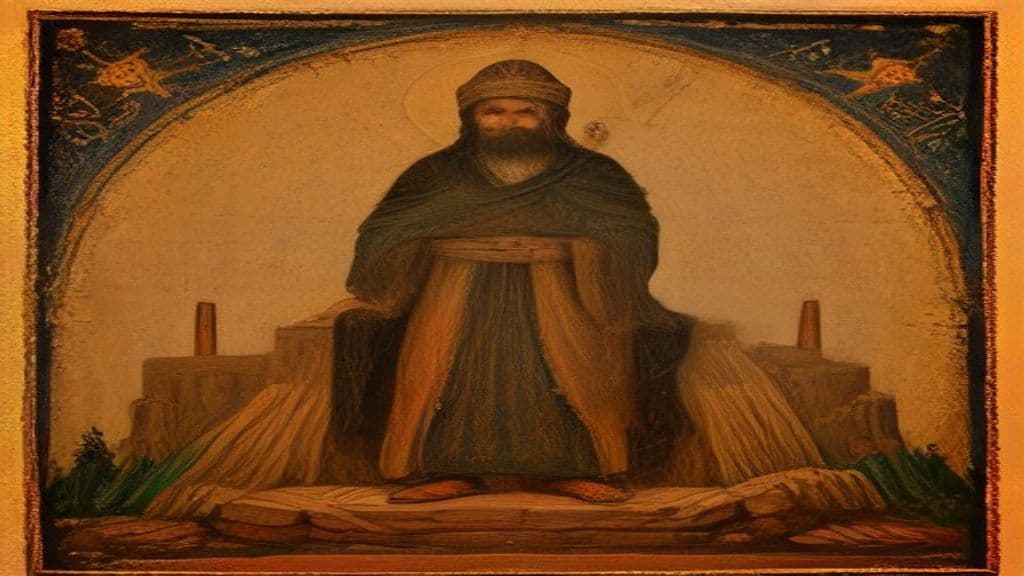
Abraham
Abraham (originally Abram) is the foundational patriarchal ancestor in the Hebrew Bible whose life establishes a covenantal relationship between his family/people and God. He functions as an exemplar of faith, the progenitor of promised descendants, and a narrative anchor for claims of land, blessing, and communal identity in later religious traditions.
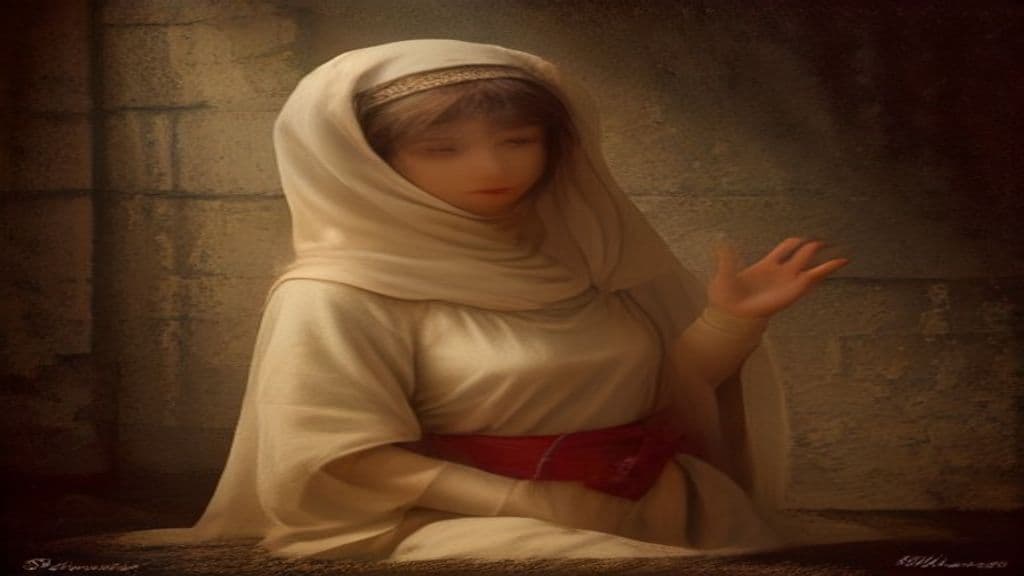
Hagar
Hagar (Hebrew: Hāgār; Arabic: Hājar) is presented in the Book of Genesis as an Egyptian female servant (שִׁפְחָה) in Sarai's household who bears Abram a son, Ishmael; later Jewish and Islamic traditions expand and reinterpret her status and story, including rabbinic identifications (e.g., Pharaoh’s daughter, potential identification with Keturah) and Islamic accounts linking her to the origins of Mecca and the Zamzam well.
Community Record
- [1]Ishmael — Wikipedia. Wikipedia, 'Ishmael' article summary (Genesis-based account and etymology).wiki
- [2]Ishmael — Wikidata. Wikidata entry for Ishmael (identifier Q34137113).other
- [3]Ishmael — Biblical Cyclopedia. Biblical Cyclopedia entry summarizing Genesis material about Ishmael.other
- [4]Ishmael — Alchetron. Alchetron summary of the biblical figure Ishmael.wiki
- [5]Prophet Muhammad ﷺ And The Companions In The Bible (Old Testament Prophecy) — Archive. Archived material discussing later traditional claims about Ishmael's relation to Arab lineages and prophetic genealogy (not primary Genesis text).other
- [6]Ishmael — Answering Islam (Ishmael is not the Father of Muhammad). Apologetic/polemical source engaging debates about Ishmael's identification with Arab genealogy and later claims; cited in the research notes as part of reception-discussion.other