The name ḫnsw (transliterated Khonsu/Chonsu) literally means 'traveller', a reference to the moon's nightly journey across the sky. Khonsu is historically attested as the son in the Theban Triad with Amun (father) and Mut (mother) and appears in early Egyptian funerary literature (Pyramid Texts, Coffin Texts) as well as in later temple inscriptions and Ptolemaic-era material.
In Egyptian art Khonsu commonly appears mummiform with the sidelock of childhood and wearing a menat necklace; lunar emblems (a disk and crescent) are placed above or on his head. He is also depicted with a falcon head and in bovine-associated forms (child or young bull imagery linked to the waxing moon and occasional older/bull aspects for other phases). Sources also note rarer two-faced child depictions interpreted as relating to the moon's invisible phase.
Khonsu is associated with the crescent moon and the lunar cycle and is connected to fertility and renewal (texts cite conceptions and cattle fertility linked to his influence). With Thoth he helps mark the passage of time and he is invoked as a protector of those who travel by night and as a healer; the Bentresh stela narrative and royal epithets (e.g., Ptolemy IV calling himself 'Beloved of Khonsu Who Protects His Majesty and Drives Away Evil Spirits') attest to healing and protective cult functions. In funerary literature Khonsu also appears in fierce roles: the Pyramid Texts' Cannibal Hymn and Coffin Texts portray him as a butcherly, devouring or fiery agent who can burn hearts or enable the deceased to appropriate divine powers; tomb inscriptions describe him with the term Wepwety, a category of underworld messengers or death-bringing spirits.
Weaknesses
None recorded.
Wards
- ritualInvocation and deployment of cult statue/image of Khonsu
- mantraInvocatory epithets calling Khonsu as protector and driver-away of evil (as used in royal epithets such as Ptolemy IV's 'Beloved of Khonsu Who Protects His Majesty and Drives Away Evil Spirits')

Amun
Amun is a major ancient Egyptian deity whose name (imn) means 'the hidden one.' Originating as a local Theban tutelary god, he rose to national prominence and was syncretized with the sun‑god Ra (Amun‑Ra), becoming a transcendent, self‑created creator and king of the gods closely tied to royal legitimation and personal petitionary religion.
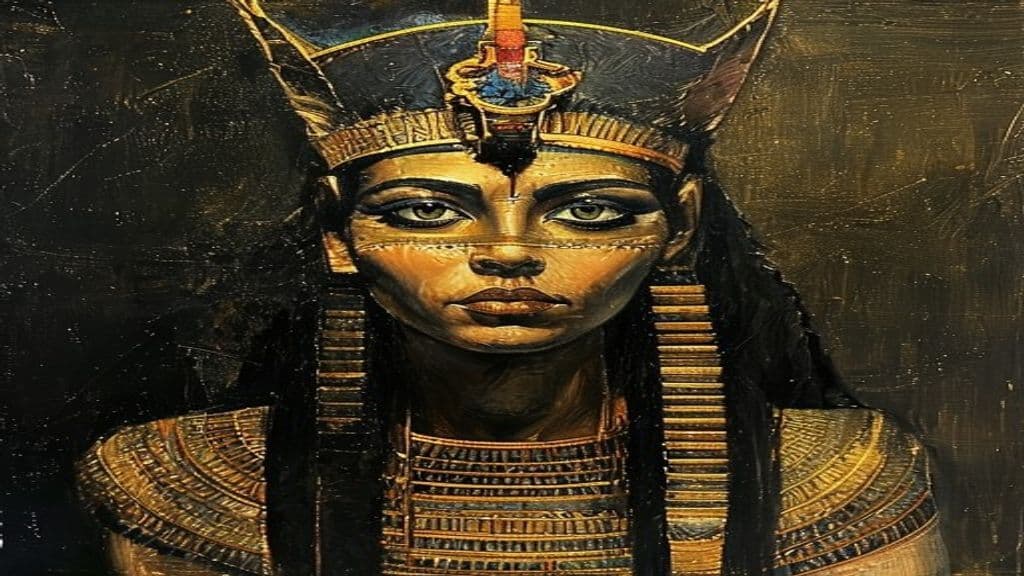
Mut
Mut is an ancient Egyptian mother goddess associated with the primordial waters (Nu), the Theban Triad, and the Eye of Ra corpus. She functions as a cosmic maternal principle, a local patroness of Thebes with temples and priesthood, and a shifting consort/maternal figure within Amun-centered theology.
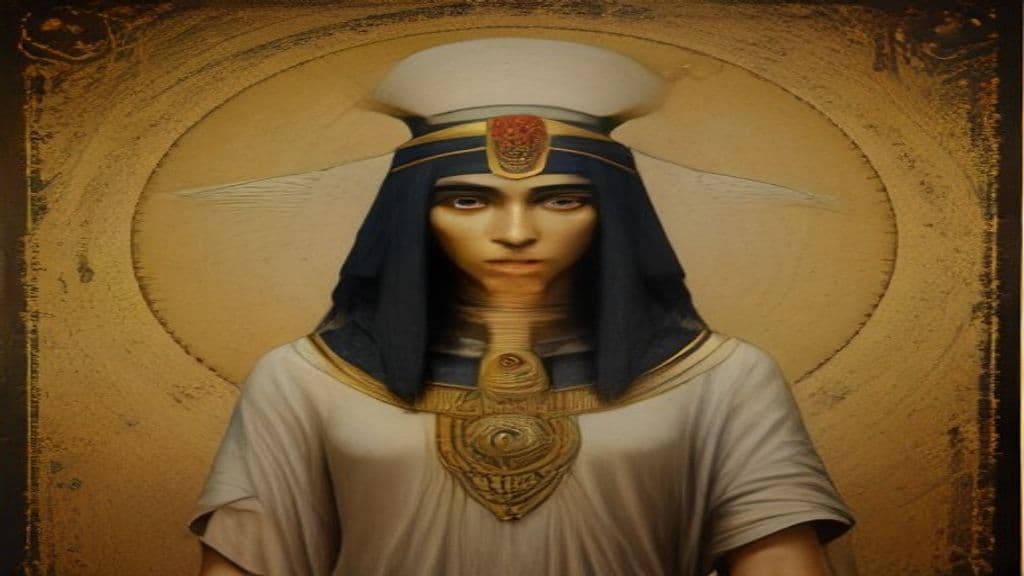
Thoth
Thoth is an ancient Egyptian deity of the Moon, wisdom, writing, measurement, and magic, functioning as divine scribe, counsellor, and maintainer of Ma'at; he appears in myth as inventor/author of knowledge and as a recorder in funerary judgment and cosmic calculation.
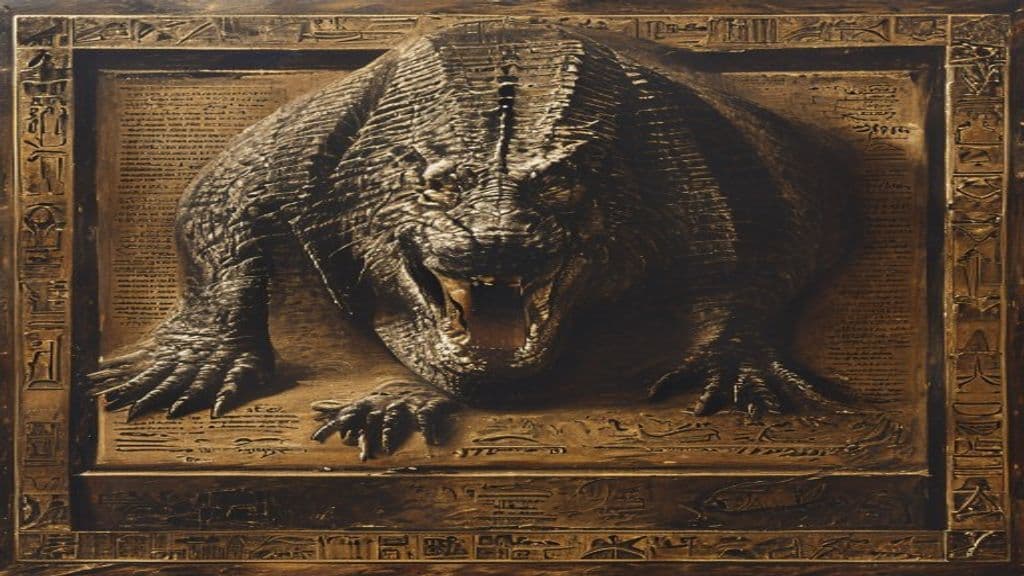
Ammit
Ammit is an ancient Egyptian funerary guardian-demon of the Duat who stands at the Hall of Two Truths during the weighing of the heart. Feared and not worshipped, she awaits the verdict and consumes hearts judged impure, thereby preventing the deceased from joining the blessed dead.
Community Record
- [1]Khonsu - Wikipedia. Wikipedia, 'Khonsu' article (summarized material on name, iconography, cult, funerary texts, Bentresh stela, Ptolemaic epithets, Wepwety, and related topics).wiki
- [2]Khonsu (Wikidata). Wikidata entry Q190521 for Khonsu (entity classification and identifiers).other
- [3]Precinct of Amun: Temple of Khonsu (Karnak) — Archive slides. Archive slide metadata for the Temple of Khonsu at Karnak, illustrating principal cult locus.other
- [4]Khonsu (Ancient Egypt: the Mythology). EgyptianMyths.net summary on Khonsu (used for etymology note linking khens root to 'to travel').folk
- [5]Khonsu in ancient sources (attalus.org). Attalus.org compilation of ancient attestations and name forms for Khonsu.other
- [6]Archive: The Chariot: Lord of the Triumph of Light (metadata). Archive material referenced for Karnak/temple context and related imagery.other