
Kupulupulu appears in genealogical and mythic lists alongside other canoe patrons; in some lists he is cited together with figures such as Laka and Pili as kin or as part of a family grouping of cultural personages. The provided sources do not record a developed cosmogonic or origin narrative for Kupulupulu beyond these genealogical mentions.
One source represents Kupulupulu as an old man with a long beard. No further consistent physical description is provided in the cited materials.
Kupulupulu functions as a specialized patron invoked during canoe-building rites and ceremonies connected to voyaging. Sources record that prayers and offerings are made to Kupulupulu when offerings are cooked (a chip of the chosen koa tree being burned in the imu) and that people bring offerings and name Kupulupulu when ritual music (drum and nose-flute) announces a canoe passing the coast. The attestations indicate Kupulupulu oversees or is appealed to in matters of canoe construction and ritual consecration and is part of the network of patrons ensuring proper craft practice and ritual observance.
Weaknesses
None recorded.
Wards
- ritualOfferings and prayers during canoe-building rites
- ritualBurning a chip of the chosen koa tree in the imu when offerings are cooked
- ritualBringing offerings and reciting mele or prayers when drum and nose-flute announce a canoe
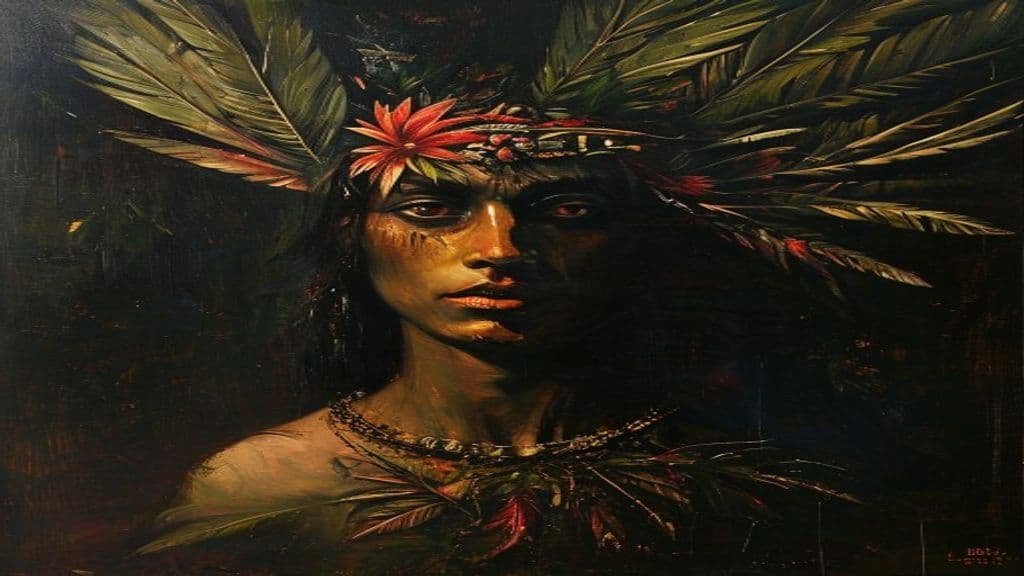
Laka
A 'popular hero' in Hawaiian mythology, associated with heroic qualities. (Note: * Power tier should be revised to Greater or Ancient since it's referred to as a "popular hero" and is associated with heroic qualities, suggesting a higher power level. * Appearance should state that)
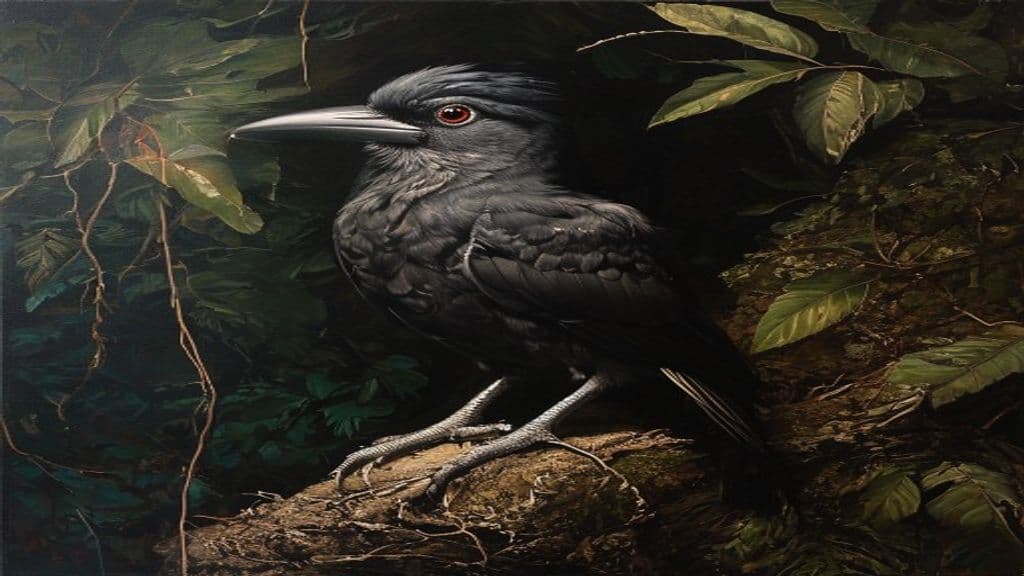
ʻElepaio
The ʻelepaio is a species of bird (monarch flycatcher) endemic to the Hawaiian Islands, known for its adaptability and survival in various environments. (Note: 1. Power tier is not supported by source material; ʻelepaio's abilities and behaviors as a monarch flycatcher species do not imply Minor Spirit classification. 2. Add sensory cues (e.g., distinctive c)
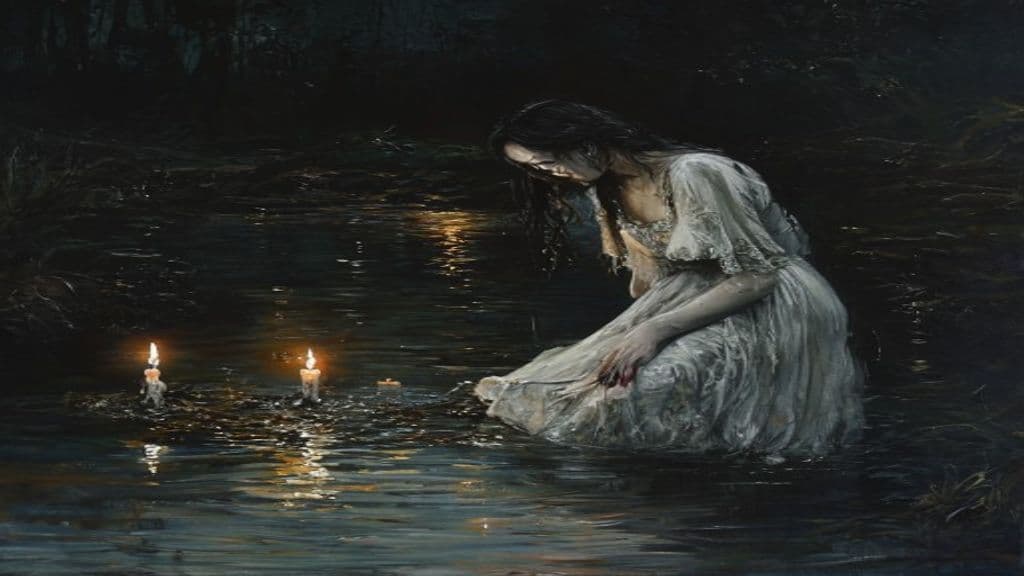
La Llorona
The Weeping Woman of Mexican folklore — the ghost of a mother who drowned her children and now wanders rivers and lakes, weeping for them and taking other children she finds at night.
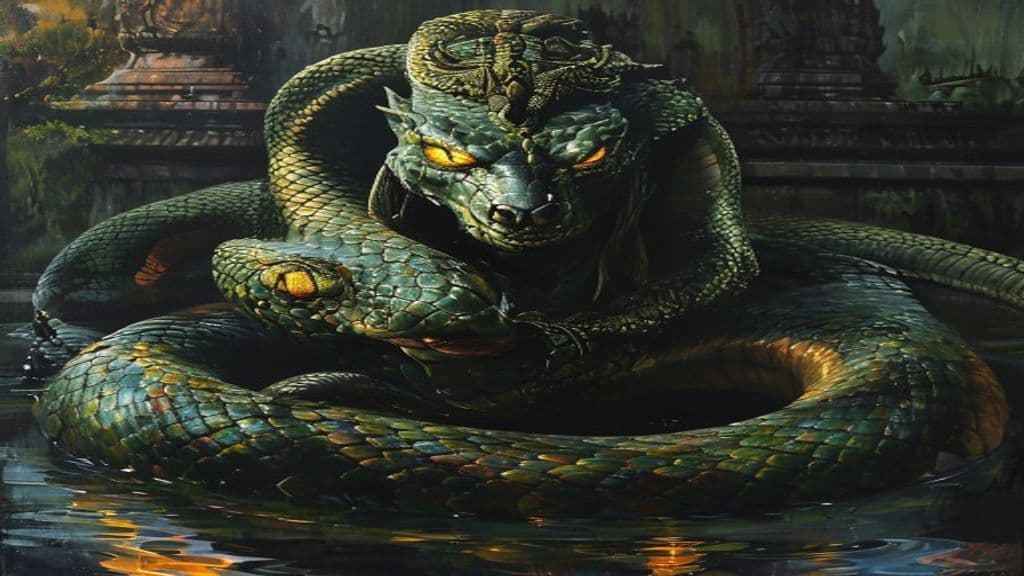
Naga
Divine serpent beings of Hindu, Buddhist, and Jain cosmology — powerful guardians of water, earth, and underground treasures. Revered as deities in South and Southeast Asia.
Community Record
- [1]Hawaiian Mythology: Part Three. The Chiefs: XXV. The Moik.... Pukui and Elbert, Hawaiian Mythology (sacred-texts.com), mentions Kupulupulu in genealogical lists and as a patron in canoe contexts.literary
- [2]THE LONG VOYAGES OF THE ANCIENT HAWAIIANS. Source records: 'Kupulupulu is represented as a patron of the canoe, an old man with a long beard.' and notes ritual responses to canoe passage.academic
- [3]Hawaiian Canoe Building (koa chip and offerings). Describes canoe-building rites and lists patrons including Kupulupulu; notes burning a chip of the selected koa in the imu and offering prayers.other
- [4]Hawaiian Canoes (rituals and patrons). Lists patrons of the canoe builders and describes communal offerings and ritual music associated with passing canoes, naming Kupulupulu among the roster.other
- [5]Nupepa mele fragments. Poetic mele fragments that include Kupulupulu's name in chants associated with landscape and canoe imagery.folk