
Laomedon appears in the Trojan dynastic genealogy as son of Ilus and grandson of Tros. In the mythic sequences that precede the Trojan War he rules the city later called Troy (Ilium). During his reign the gods Poseidon and Apollo, disguised as workmen, build the walls of Troy at his command on the condition of receiving wages; after they finish he refuses to pay them. In retribution the gods afflict Troy with pestilence and a sea-monster. Later an oracle commands that Laomedon expose his daughter Hesione to the monster; Heracles rescues her in exchange for the divine horses that had been given to Tros, but Laomedon reneges on that promise. Heracles then sacks Troy, kills Laomedon and most of his sons, and Podarces (later Priam) survives after being ransomed by Hesione.
Ancient narrative sources do not provide a sustained physical description of Laomedon. Later artistic depictions (engraving and print traditions) portray him conventionally as an adult male king within scenes such as Poseidon and Apollo building Troy's walls or the sack of the city, but the mythic texts themselves record no distinctive bodily traits. Thus descriptions of his appearance rest on later visual motifs of regal dress and iconography associated with Trojan kings rather than on explicit ancient textual detail.
Laomedon is a mortal ruler whose capacities are political and military rather than supernatural. He commands armies (he musters forces against Heracles' expedition and 'marched against the ships with a multitude'), presides over dynastic arrangements (father of Hesione and Podarces/Priam), and makes or breaks agreements with powerful beings. Notable behaviors in the sources include refusing to pay Poseidon and Apollo for labor, exposing his daughter Hesione at the oracle's prescription, and promising then withholding the divine horses from Heracles — acts that invite divine punishment (pestilence and a sea-monster) and heroic vengeance culminating in his death and the sacking of Troy.
Weaknesses
- conditionMortal — vulnerable to armed assault and to consequences of broken oaths
- otherLoss of divine favor — failure to honor agreements with gods (leads to pestilence and sea-monster)
Wards
None recorded.
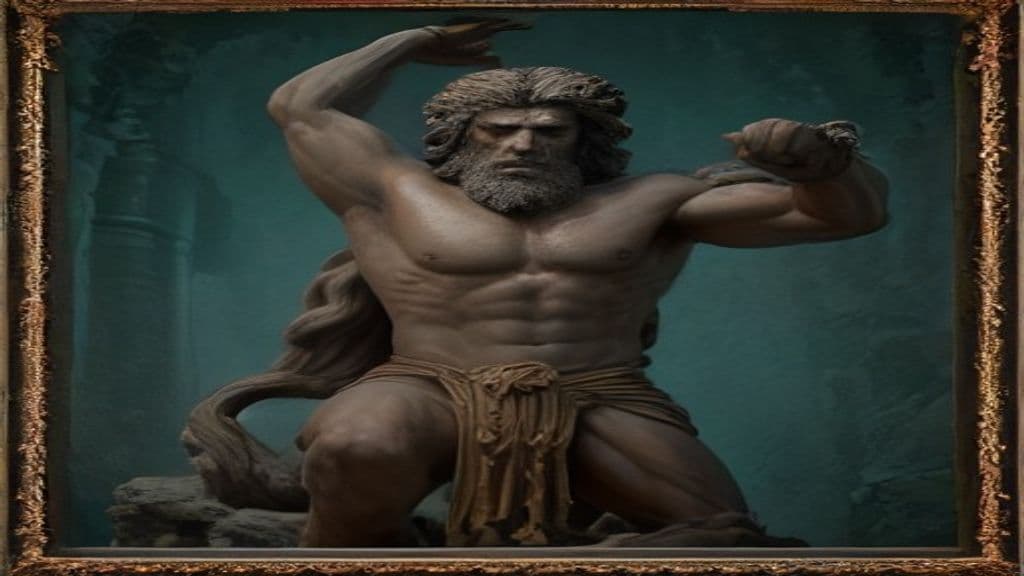
Heracles
Heracles is the greatest hero of Greek myth whose career bridges mortal hero-cult and full divinization. Celebrated for his Twelve Labours, martial prowess, and travels between the mortal world, the underworld, and Olympus, he functioned as a civic patron, ancestor of royal lines (the Heracleidae), and object of cult that treated him both as chthonic hero and as god.
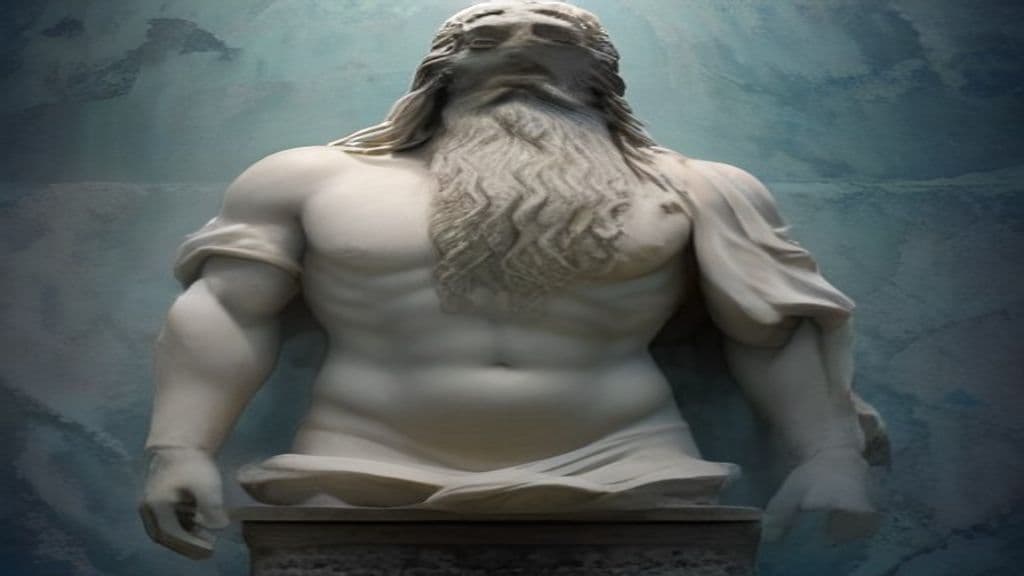
Poseidon
Poseidon is a principal deity of the ancient Greek pantheon, counted among the Twelve Olympians; he presides over the sea, storms, earthquakes and horses and functions as protector of seafarers and guardian of cities and colonies.
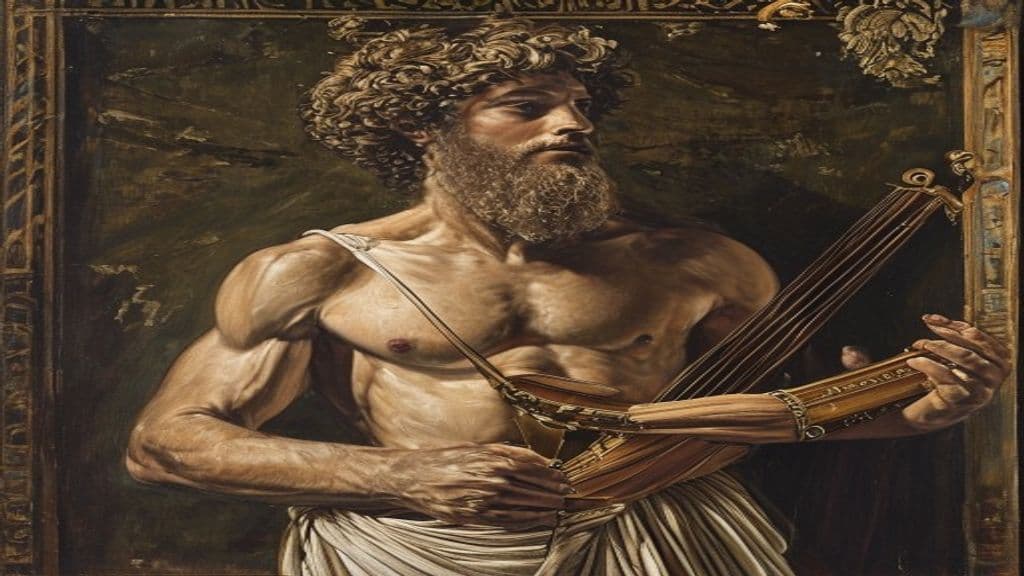
Apollo
Olympian deity of ancient Greek religion associated with prophecy, healing, music, archery, purification, and civic order. Principal patron of the Delphic oracle, protector of youth and flocks, and ambivalently both healer and bringer of plague.

Hesione
Hesione is a mortal Trojan princess in Greek myth who was exposed to a sea‑monster as an oracularly required sacrifice for her father Laomedon’s offense against the gods; rescued by Heracles, she is given in marriage to Telamon, ransoms her brother with her veil (after which he is called Priam), and in later tradition becomes a diplomatic pawn whose non‑return is cited among factors leading to Paris's taking of Helen.
Community Record
- [1]Laomedon. Wikipedia: Laomedonwiki
- [2]Laomedon (mythology). Wikipedia: Laomedon (mythology)wiki
- [3]Laomedon: Hercules foe (appendix). Marvunapp: Laomedon (Hercules foe)other
- [4]Laomedon's magical horses (appendix). Marvunapp: Laomedon's magical horsesother
- [5]Sir Robert Strange - Laomedon King of Troy Detected by Neptune and Apollo (art description). Artoftheprint: engraving depiction of Laomedonother
- [6]Laomedon's Corpse, Laomedon's Tomb (GRBS article). Greek, Roman, and Byzantine Studies: Laomedon's Corpse, Laomedon's Tomb (article)academic