
Genealogically Leto is presented in Greek sources as a second‑generation divine figure: daughter of the Titans Coeus and Phoebe and sister of Asteria. In myth she becomes a consort of Zeus and gives birth to the twins Apollo and Artemis after a difficult pregnancy during which Hera attempts to prevent her from finding a place to give birth. Regional cult traditions also present Leto as an older Anatolian/Lycian mother‑goddess whose sanctuary at the Letoon served as a religious center for Lycian city‑states; modern scholarship summarized in the sources treats her as a composite figure combining olympic genealogical placement with local mother‑goddess identity.
Literary sources emphasize Leto's mild and maternal character rather than a fixed set of iconographic attributes; Hesiod describes her disposition as “always mild, kind to men and to the deathless gods.” In cult contexts she was venerated as a maternal/kourotrophic deity and would have been represented in sanctuaries (Delos, Letoon) in forms appropriate to mother‑goddess statuary and votive practice, though the provided materials do not record a single standardized set of emblems, dress, or bodily features.
In myth Leto's agency is chiefly social‑religious and narrative: she is the mother of two major Olympian gods (Apollo and Artemis) and can invoke their aid or vengeance (for example, she requests that they avenge Niobe, and they slay Niobe's children). In episodes where mortals obstruct or insult her (the Lycian peasants who denied her water), she effects or causes transformative punishment (those peasants are turned into frogs in the tradition cited). Myth also records that Hera tormented Leto during her pregnancy (withholding labor‑goddess Eileithyia in some versions), showing she is both vulnerable to divine rivalry and capable of provoking divine retribution through her offspring.
Weaknesses
- conditionvulnerability to Hera's hostility and interventions (e.g., delayed childbirth via withholding of Eileithyia)
Wards
- conditionritual veneration and hospitality (honoring Leto in sanctuary and providing hospitality to strangers) — cult practice at Delos and the Letoon served to secure favor and avoid divine offense
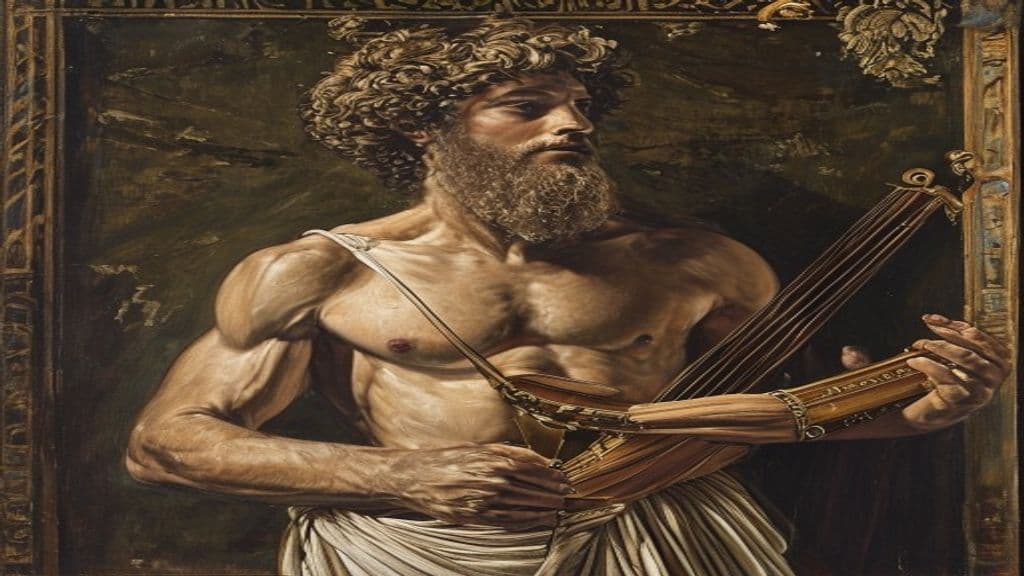
Apollo
Olympian deity of ancient Greek religion associated with prophecy, healing, music, archery, purification, and civic order. Principal patron of the Delphic oracle, protector of youth and flocks, and ambivalently both healer and bringer of plague.

Artemis
Artemis is an ancient Greek goddess of hunting, the wilderness and wild animals, transitions (especially childbirth and puberty), vegetation, and chastity. Twin sister of Apollo and daughter of Zeus and Leto, she functions as a protector of young children and maidens while also capable of inflicting disease or punishment for transgressions against her sacred laws.
Community Record
- [1]Leto. Wikipedia, article 'Leto'wiki
- [2]Leto (Wikidata). Wikidata entry for Letoother