
Within Ganapatya theology Mahāgaṇapati is treated as the patron and chief deity of the sect and is regarded as the great Creator (Paramātman/Para brahman): he is believed to have existed before the creation of the universe and will exist after its dissolution (pralaya), and is said to create the god Brahmā who assists in cosmic creation. This doctrinal elevation makes Mahāgaṇapati both an iconographic form of Gaṇeśa and the sectarian identification of ultimate reality for devotees.
Mahāgaṇapati is depicted with the elephant head characteristic of Gaṇeśa and is often rendered red (frequently using sindūra) with a dawn‑colour reference; many images show a third eye on his forehead and a crescent moon above his head. He is commonly shown with ten arms which hold symbolic implements such as a lotus, a pomegranate (variants in some depictions substitute fruits like mango or citron), a gada (mace), a chakra (discus), his broken tusk, a pasha (noose), a jewelled water vessel or pot of jewels (ambrosia/Kubera symbolism), a blue lotus, a rice sprig and a sugarcane bow. Iconography frequently includes a female shakti consort—often Siddha Lakshmi—seated on his left lap; other images surround him with various deities and beings to express his comprehensive, pan‑divine role.
Doctrinal sources present Mahāgaṇapati as pre‑creational and post‑dissolution and as the creator of Brahmā, linking him to cosmic origination and ultimate reality. His held attributes symbolise capacities drawn from other deities (e.g., chakra = Viṣṇu, gada/boar imagery = Varāha, jewelled pot = Kubera, sugarcane bow = Kāmadeva, rice paddy = Pṛthvī) to signify supremacy over the pantheon and the ability to perform many divine functions. Tantric and ritual corpora associated with Mahāgaṇapati include mantra, yantra, dhyāna, a kavaca (armour), the thousand names and a stotra; tantric texts (as reported in the sources) also associate this form with six abhichāra rites by which an adept may attempt to cause delusion, irresistible attraction or envy, enslavement, paralysis or death, while devotional meditations and recitations promise blessings, wealth and supreme bliss to practitioners.
Weaknesses
None recorded.
Wards
- ritualKavaca (Armour) of Mahāgaṇapati
- mantraMahāgaṇapati Stotra and the '1000 Names' recitation
- symbolMahāgaṇapati Yantra
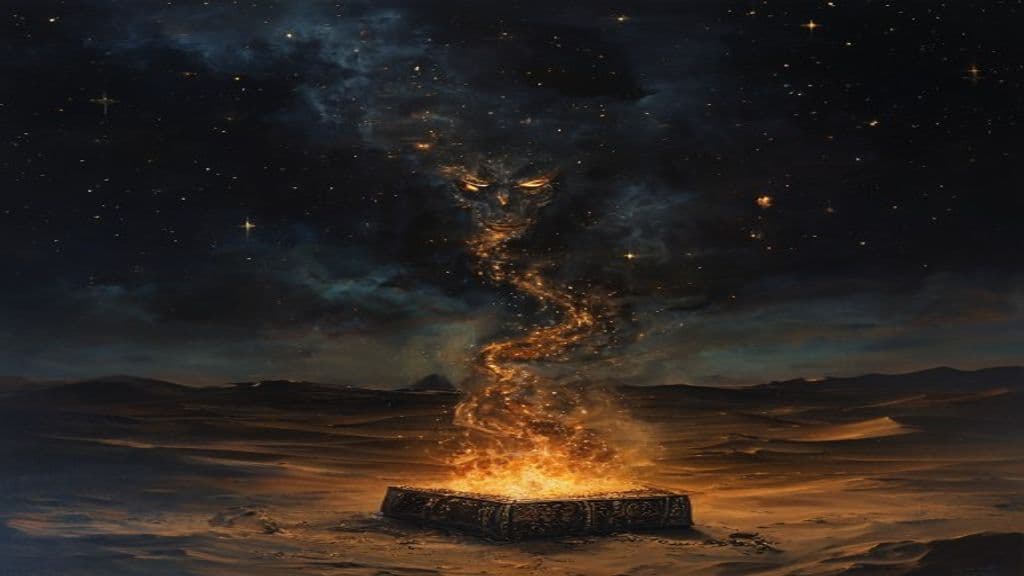
Djinn
The class of supernatural beings created from smokeless fire in Islamic cosmology — a parallel civilization to humanity, capable of belief or unbelief, with their own prophets, society, and judgment before God.
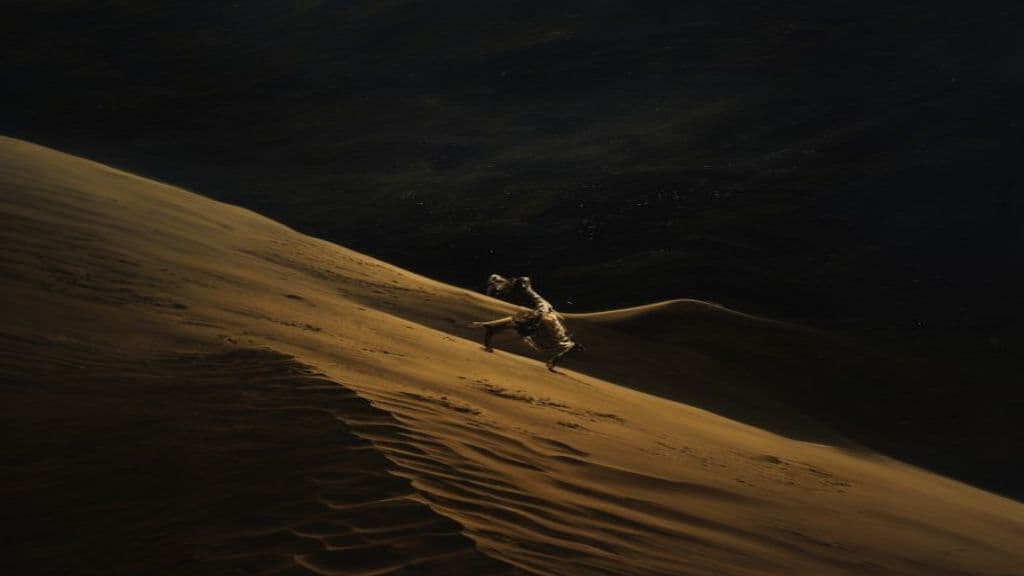
Jann
The weakest class of djinn in Islamic tradition, associated with desert winds and taking the form of snakes or whirlwinds, dwelling in empty wilderness and posing little threat to those who know the proper invocations.
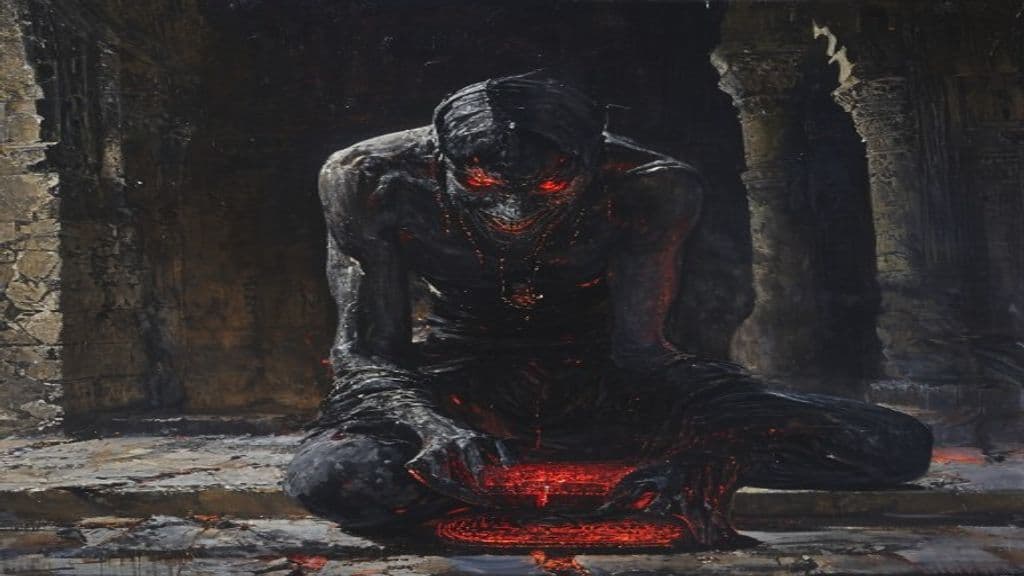
Shaitan
A class of corrupted djinn who follow Iblis and dedicate themselves to leading humans astray — distinct from Iblis himself, the Shayatin are a species of evil djinn who whisper doubts and temptations into the minds of the living.
Community Record
- [1]Mahaganapati (Wikipedia). Wikipedia, 'Mahaganapati' articlewiki
- [2]Devirahasya Tantra (Mahāgaṇapati limbs listing). Devirahasya Tantra as reproduced on ReligiousWorlds: listing of the limbs of Mahāgaṇapati practice including mantra, yantra, dhyāna, kavaca, 1000 names and stotra.other
- [3]Shri Ganapati Deva (Mahāgaṇapati / tantric references). ReligiousWorlds compilation referencing Mahāgaṇapati in tantric context.other
- [4]Ranjangaon Mahāgaṇapati — Ashta Vinayak (temple entry). TempleNet entry for Ranjangaon Mahāgaṇapati, an Ashtavināyak shrine in Maharashtra.other
- [5]Idagunji Mahaganapati Yakshagana Mandali (troupe). Wikipedia entry noting a performing troupe named for Mahāgaṇapati.wiki
- [6]Recordings and musical repertory references (Carnatic kritis etc.). Archive items and repertory listings indicating Mahāgaṇapati appears in South Indian musical and temple culture (kritis and recordings).other