
Mesopotamian mythic corpus contains narratives in which deities are primary actors in the ordering of the world and in creation. Scholarly summaries note myths where gods fashion items and humans out of clay, and myth cycles also recount sexual and social interactions among gods (for example, the Enlil–Ninlil and the Enki–Ninhursag narratives are cited in the literature as exemplars of divine sexual relations that have cosmological consequences). These motifs present deities as artisans and progenitors whose acts bring aspects of the human world into being and establish social and cosmic order (see Duke abstract on deities crafting items from clay; bibliotecapleyades summaries of Enlil/Ninlil and Enki/Ninhursag episodes).
Sources emphasize that Mesopotamian deities were almost exclusively anthropomorphic and often envisioned as large in stature. Common iconographic markers include horned caps composed of up to seven superimposed pairs of ox-horns and the wearing of melam, an ambiguous substance that 'covered them in terrifying splendor.' Deities are also depicted in clothes with elaborate gold and silver ornaments sewn into them. Material representations include cult statues or idols, cylinder seals, stelae, and relief panels; some individual panels are subject to scholarly debate in identification (e.g., whether a female figure represents Inanna, Ereshkigal, or other figures).
As a class, deities possess extraordinary powers and take part in creative/cosmogenic actions such as crafting objects and humans from clay. Their presence produces intense physiological and emotional effects on humans — described with terms such as ni ('the physical creeping of the flesh') and puluhtu ('fear') — because of the melam that surrounds them. Deities hold domains or roles in the cosmos in specific cases (for example, Ningishzida is associated with vegetation and the underworld; Ereshkigal rules the underworld), and divine identities could be syncretized or equated across linguistic and cultural boundaries (as in Kassite–Mesopotamian lexical lists), reflecting fluidity in functions and status.
Weaknesses
- otherNo explicit weaknesses attested in provided sources
Wards
- otherNo explicit warding prescriptions recorded in provided excerpts; management of divine presence is implied via cult practice and material representation (idols, temples, iconography) rather than specific wards
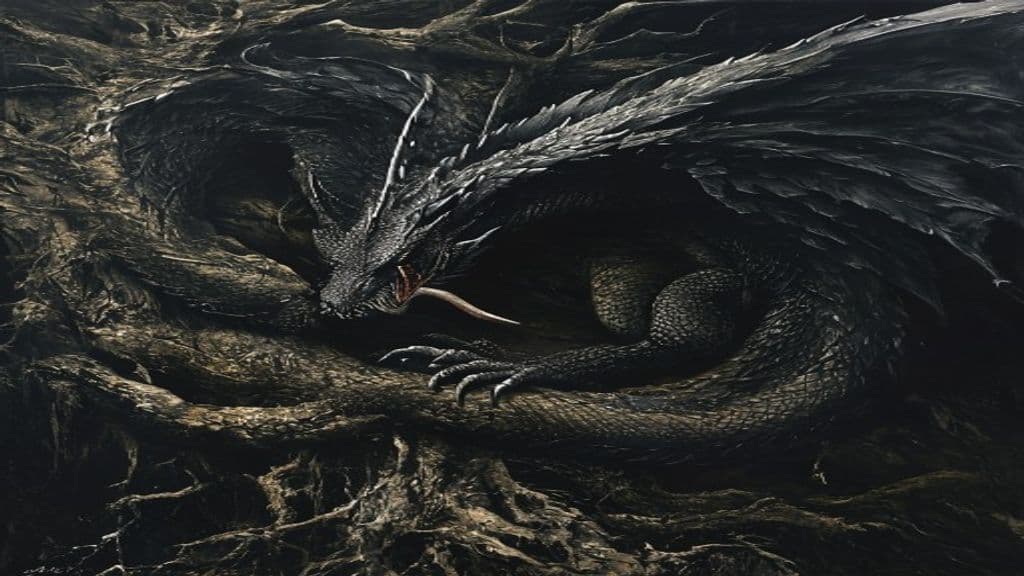
Níðhöggr
The corpse-gnawing dragon coiled around the roots of Yggdrasil, ceaselessly chewing the World Tree — and destined to survive Ragnarök and carry the dead on its wings.
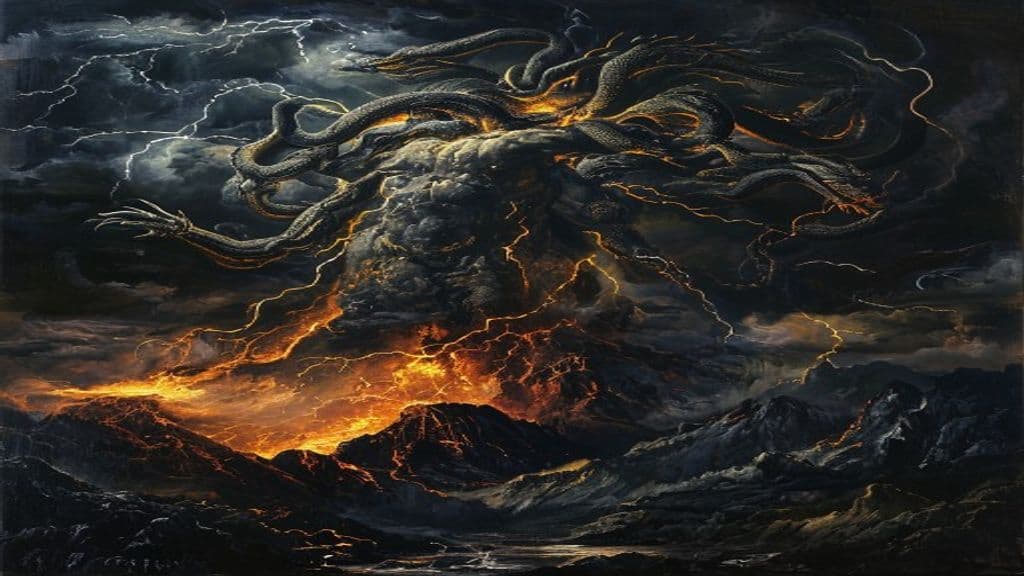
Typhon
The last great monster of Greek mythology — a vast, fire-breathing giant whose shoulders sprouted a hundred serpent heads, nearly toppling Zeus from Olympus.
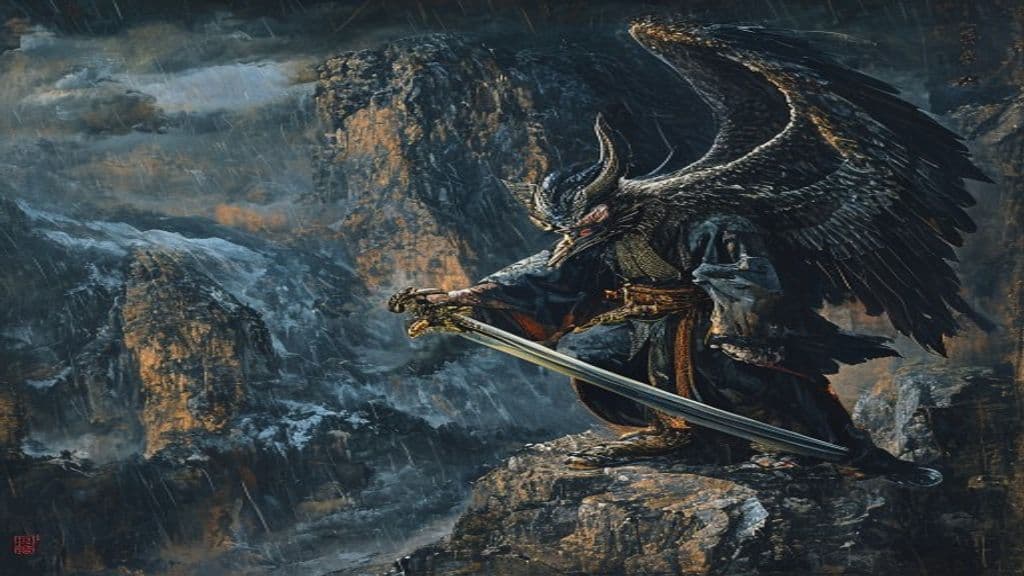
Tengu
Proud, warrior-like mountain spirits of Japan, associated with martial arts, pride, and the wild mountains. Neither fully good nor evil — they test and train warriors and monks, but punish the arrogant.
Community Record
- [1]List of Mesopotamian deities. Wikipedia, 'List of Mesopotamian deities' (statements on anthropomorphism, melam, ni, puluhtu, horned caps, ornaments).wiki
- [2]Ningishzida is a Mesopotamian deity of vegetation and the underworld. Samim.io entry identifying Ningishzida's associations with vegetation and the underworld.other
- [3]Ereshkigal - Ruler of the Sumerian Underworld and Most Feared Deity in Mesopotamian Pantheon. Bibliotecapleyades article discussing Ereshkigal and noting contested iconographic identifications on panels and stelae.folk
- [4]Kassite deities. Wikipedia entry on Kassite deities used to note lexical/equivalence lists and syncretism between Kassite and Mesopotamian pantheons.wiki
- [5]Barrelet (abstract) and myths of deities crafting items from clay. Academic abstract noting Mesopotamian myths in which deities construct items out of clay, including the first humans.academic
- [6]Archive item titled 'Idol of Mesopotamian deity' and related archive material. Archive listing indicating the material presence of cult images/idols among attested evidence.other
- [7]In Ancient Mesopotamia Sex among the Gods shook Heaven and Earth. Bibliotecapleyades summary referencing sexual motifs among deities such as Enlil/Ninlil and Enki/Ninhursag.folk