In the principal literary traditions Mestra is the daughter of Erysichthon of Thessaly. In Ovid's Metamorphoses she is sold into slavery after her father is cursed by Demeter; she prays to Poseidon, who had earlier lain with her, and the god grants her the power to change shape so she can escape and return home each time her father sells her. In Hesiodic fragments she is also associated with marriage-exchange narratives: Hesiod reports that Poseidon carried her over the sea to the island of Cos, where she bore Eurypylus, while other genealogical accounts place Mestra in sequences of bride-price and marriage negotiations. Variants and later summaries preserve her role as a mortal woman whose life is shaped by divine intervention and by her father's transgression against a Demeter grove.
Classical sources and surviving summaries do not supply a detailed physical description of Mestra. Ancient accounts emphasize her social roles (daughter, slave, bride, mother) and narrative functions (shapeshifter, consort of Poseidon) rather than corporeal features. Ovid and Hesiod focus on her actions and fate; therefore descriptions of her bodily appearance are absent in the cited materials.
The defining extraordinary ability attributed to Mestra in Ovid is metamorphosis: she is able to assume other forms—Ovid gives the example of being transformed on a shore and later taking various animal shapes—to escape captivity after being sold. That power is presented as a boon granted by Poseidon and is repeatedly used to return home with the proceeds of her sale. In Hesiod's tradition Mestra's relationship with Poseidon results in childbirth (Eurypylus). Beyond the shapeshifting and her role as a mortal involved with a god, sources present her as subject to ordinary human vulnerabilities (sale, marriage negotiations) rather than as an immortal supernatural agent.
Weaknesses
- conditionMortality and social vulnerability (subject to sale and familial decisions)
- otherNo attested magical vulnerabilities in sources (absence of ritual weaknesses)
Wards
- otherNo documented wards or protective rituals against Mestra in the provided sources
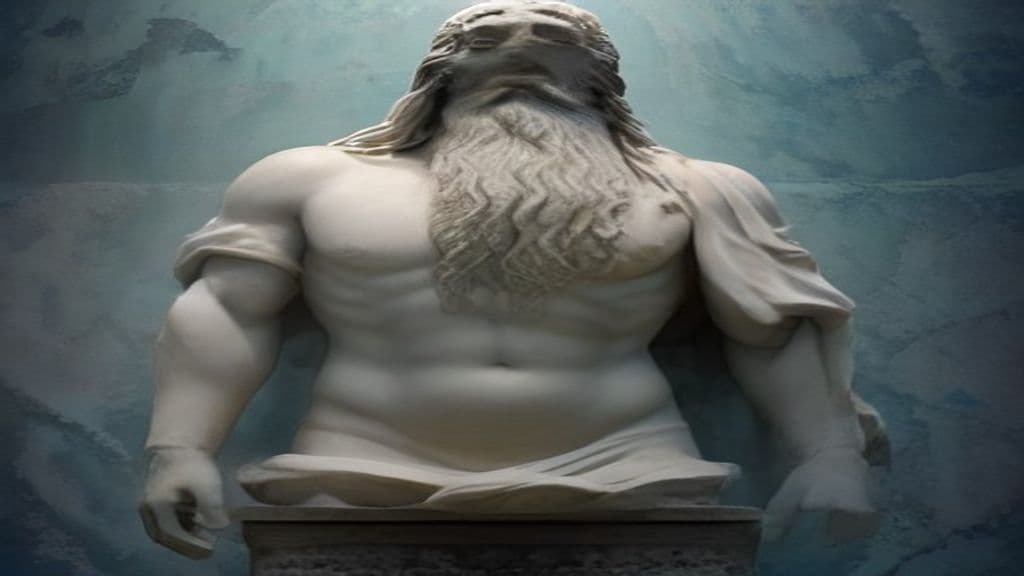
Poseidon
Poseidon is a principal deity of the ancient Greek pantheon, counted among the Twelve Olympians; he presides over the sea, storms, earthquakes and horses and functions as protector of seafarers and guardian of cities and colonies.
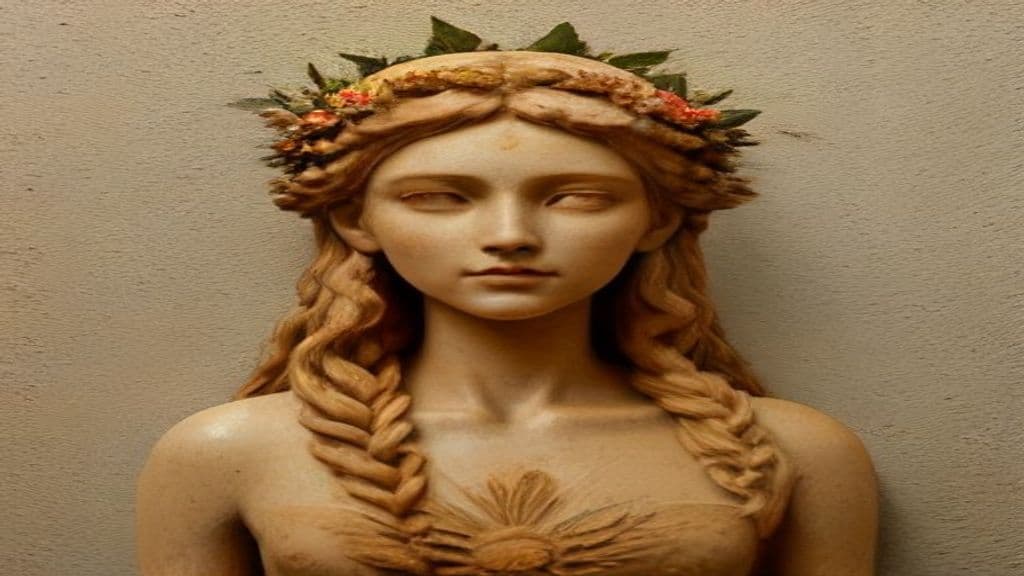
Demeter
Demeter is an Olympian goddess of ancient Greek religion who presides over agriculture, grain, and the fertility of the earth. She functions as a divine mother-figure and guardian of social customs, sacred law, and the cycle of life and death, and is central to the Eleusinian Mysteries alongside her daughter Persephone.
Community Record
- [1]Mestra - Wikipedia. Wikipedia entry 'Mestra' (summary synthesizing Ovid, Hesiod, Antoninus Liberalis and modern commentary)wiki
- [2]Wikidata: Mestra. Wikidata item for Mestraother
- [3]Archive: Sud 872701. Archival item listed in research notes (contextual material linked from source set)other
- [4]The Sanctity of Trees / Erysichthon summary. Online summary connecting Erysichthon/Mestra material to sacred grove context (referenced in notes)other
- [5]Madeline Miller, 'Mestra' (modern short story). Modern literary retelling referenced in notes (demonstrates contemporary reception)literary