Miss Brunner is presented in Michael Moorcock's novel The Final Programme and its 1973 film adaptation as the leader of a group of scientists who locate a microfilm containing the Final Programme — a design intended to produce a "perfect" or self-replicating human. Her role is narrative and technological rather than folkloric: she functions as the instigator and chief technician of the Programme, pursuing recovery of the microfilm and implementation of the machinery in an abandoned underground fortress where the Programme is to be run.
Contemporary plot synopses emphasize Miss Brunner's actions more than a fixed baseline physical description. Sources describe scenes in which she absorbs lovers (for example a scene in Jerry Cornelius's flat where a woman named Jenny is induced to play piano naked and is subsequently absorbed) and culminates in a merging sequence with Jerry that yields a 'radiantly charismatic hermaphroditic being.' Outside these enacted transformations, the texts provide little consistent detail about clothing, height, age, or facial features.
Within the novel and film narratives Miss Brunner demonstrates technological leadership (examining microfilm, directing the group of scientists, and orchestrating the Final Programme) and a corporeal/psychophysical capacity to incorporate other humans: sources state she 'consumes' or 'absorbs her lovers.' She manipulates and recruits subjects (notably Jerry Cornelius) to participate in the Programme and takes an active role in the ritualized technoscientific procedure that produces the merged hermaphroditic being. The sources treat absorption as a literal enacted process in the story context, though mechanics remain underspecified and framed within science-fictional technology and experiment.
Weaknesses
- conditionopposition and interruption of the Final Programme (recovery/seizure of microfilm or disruption of laboratory procedure)
- othernarrative containment by opposing characters (e.g., pursuit, capture, or conflict with Frank and others attempting to stop the scientists)
Wards
- otherdenial of participation / avoidance of the scientist group
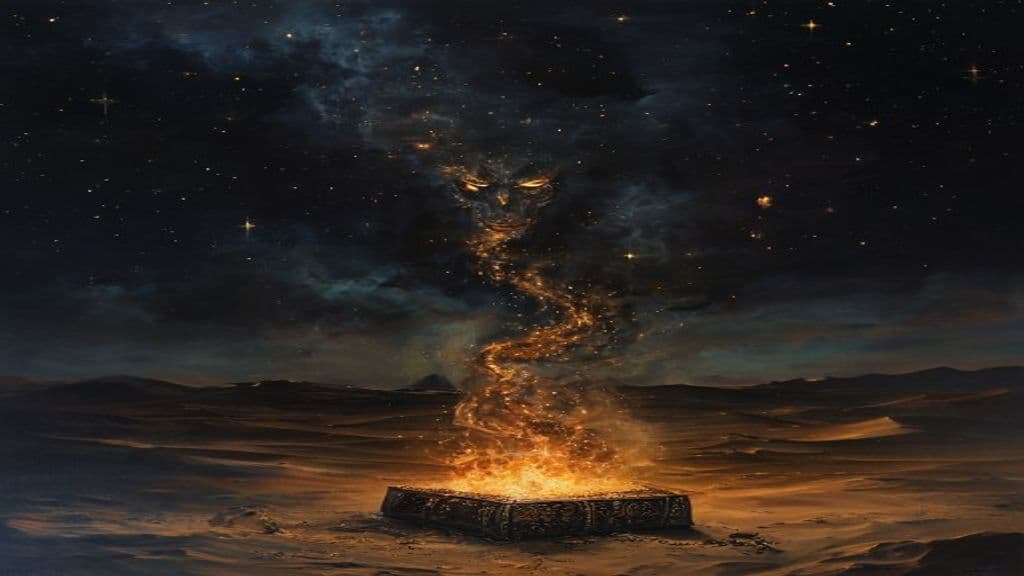
Djinn
The class of supernatural beings created from smokeless fire in Islamic cosmology — a parallel civilization to humanity, capable of belief or unbelief, with their own prophets, society, and judgment before God.
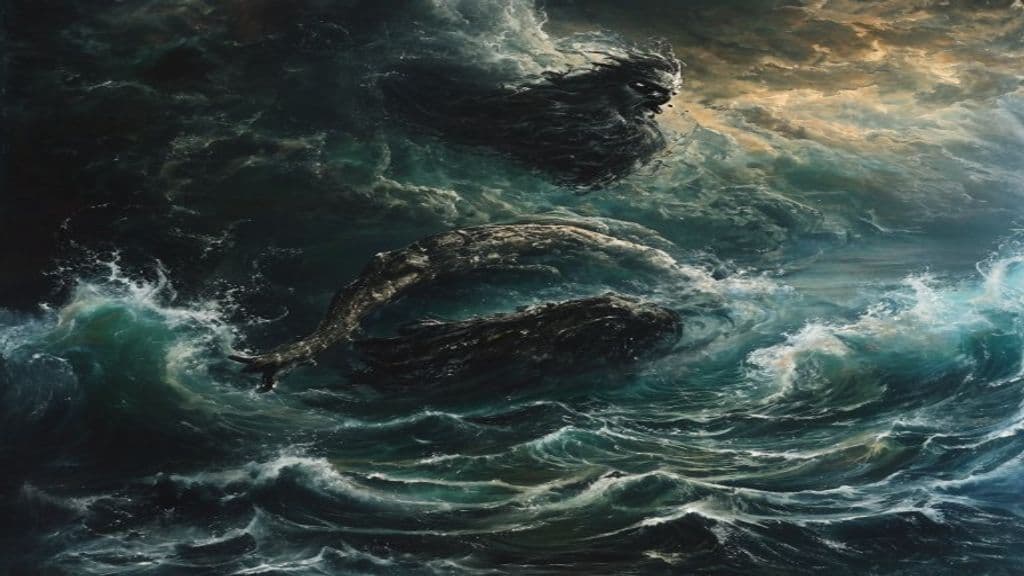
Marid
The most powerful class of jinn in Islamic tradition — beings of the sea, associated with the deep ocean, storms, and the granting of wishes at terrible cost. The classic genie of the Arabian Nights.
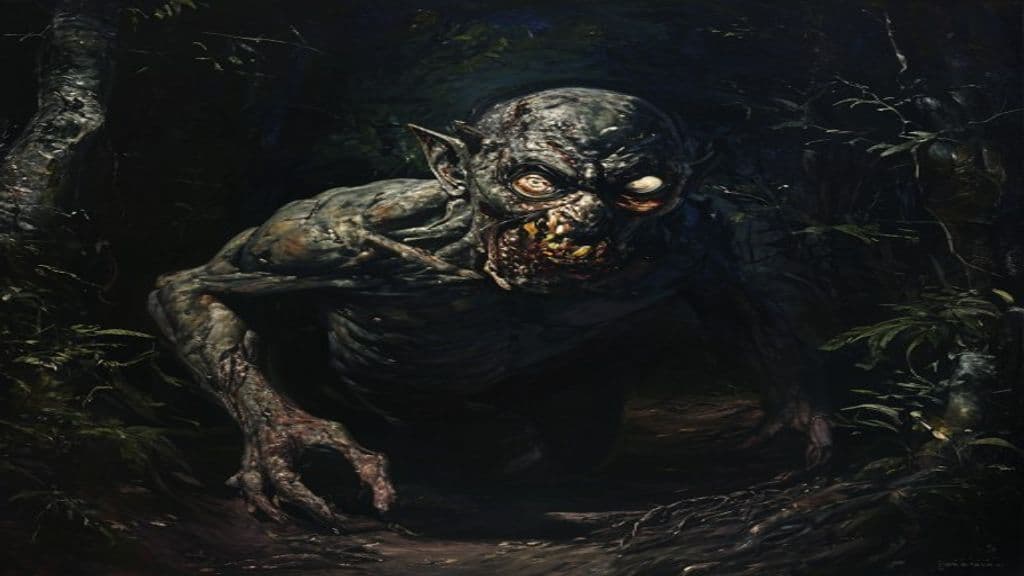
Pishacha
Flesh-eating spirits of Hindu mythology that haunt cremation grounds and are associated with disease, madness, and possession. The lowest class of demon in the Vedic hierarchy.
Community Record
- [1]The Final Programme (film) - Wikipedia. Wikipedia. "The Final Programme (film)"wiki
- [2]The Final Programme - Wikipedia. Wikipedia. "The Final Programme" (novel)wiki
- [3]The Final Programme [1974] - Trailer. Archive.org. Trailer for The Final Programmeother
- [4]BFI Screenonline: Final Programme, The (1973) Synopsis. BFI Screenonline. "Final Programme, The (1973) Synopsis"literary
- [5]wikiplot_084.html (plot summary). Plot synopsis archive referencing The Final Programmeother