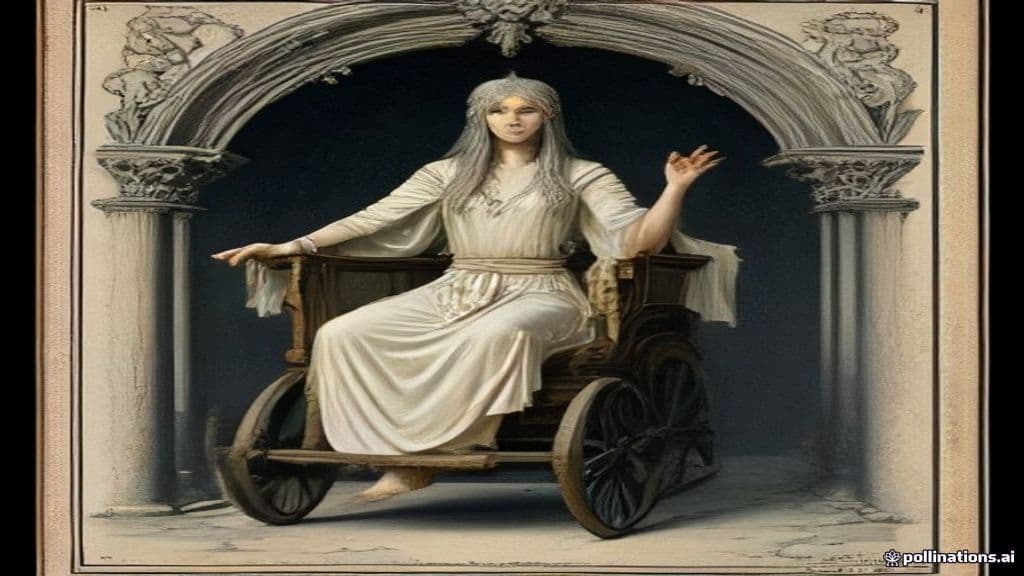
Tacitus supplies no mythic origin tale; his surviving ethnographic report presents Nerthus as a locally venerated deity whose presence is manifested through a cult cart kept on an island and brought among peoples for ritual visitation. Later linguistic and philological scholarship reconstructs the name to Proto‑Germanic *Nerþuz and proposes a historical connection with Old Norse names such as Njörðr and Njörun, but these reconstructions and identifications are scholarly hypotheses based on comparative linguistics rather than narratives found in the ancient source.
Tacitus does not describe an anthropomorphic depiction of Nerthus. The visible focal elements of her cult in his account are material: a cart or wagon draped in white cloth, kept on an island in a sacred grove, and drawn by heifers when the priest detects the goddess's presence. After the procession the goddess, the cart, and the cloth are ritually washed in a secluded lake; Tacitus reports that the slaves who perform this washing are then drowned in the lake.
In Tacitus's account the cultic arrival signaled by the cart brings communal effects: wherever the cart travels it is met with celebration and a suspension of war, and communities lock away iron objects for the duration. Agency in the source is mediated through ritual agents (a priest who handles the cart, heifers that draw it, and slaves who perform the washing) rather than described as spontaneous apparition. Modern devotional sources emphasize fertility and Earth‑connected functions, but these are interpretive expansions beyond Tacitus's ethnographic report.
Weaknesses
- conditionrestricted access — only a priest may touch the cart
Wards
- conditionritual prohibition — iron objects are locked away during the procession

Njörðr (Njord)
Njörðr is a Vanir deity in Old Norse religion associated with the sea, navigation, fishing, wind, wealth, and crop fertility. He resides in Nóatún, is counted among the Vanir who were incorporated into the wider Norse divine order after a truce with the Æsir, and is father of Freyr and Freyja. Sources describe him as linked to maritime well-being and as having an unhappy marriage with the goddess Skaði.
Njörðr (Njord)
Njörðr is a Vanir deity in Old Norse religion associated with the sea, navigation, fishing, wind, wealth, and crop fertility. He resides in Nóatún, is counted among the Vanir who were incorporated into the wider Norse divine order after a truce with the Æsir, and is father of Freyr and Freyja. Sources describe him as linked to maritime well-being and as having an unhappy marriage with the goddess Skaði.
Freyja
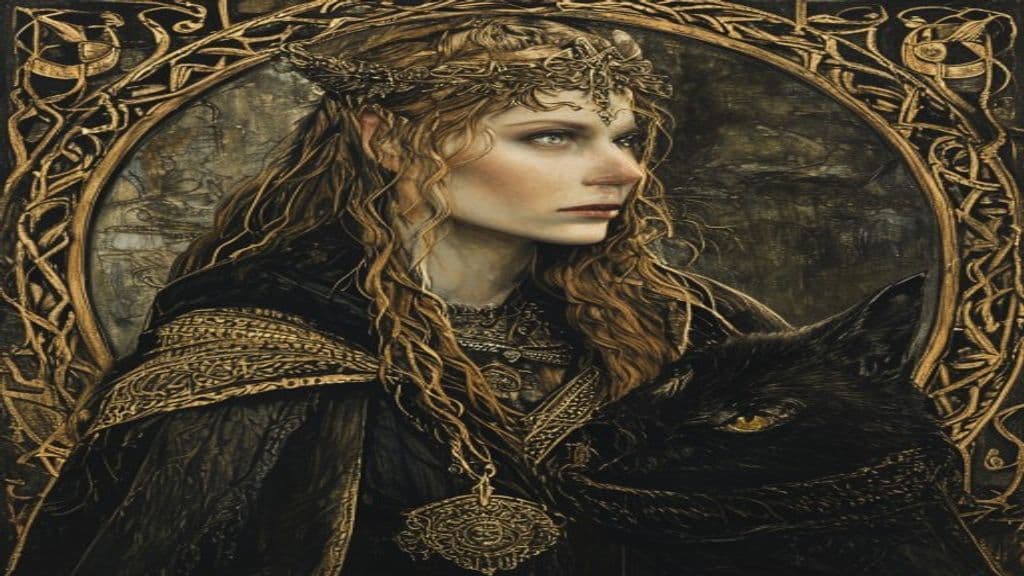
Freyja is a major Vanir goddess in Norse mythology associated with love, beauty, fertility, gold, war, and the seiðr form of magic. She rules the field Fólkvangr and the hall Sessrúmnir, where she receives half of those slain in battle, and is attested across the Poetic Edda, the Prose Edda, skaldic poetry, and later Scandinavian folklore.
Freyr
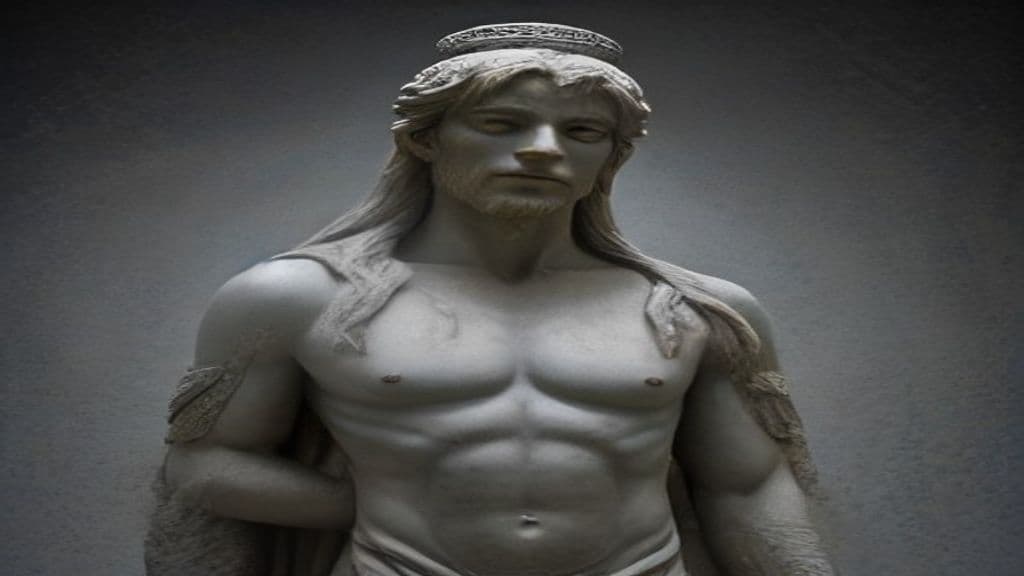
Freyr is a major Vanir deity in Old Norse myth associated with kingship, fertility, prosperity, fair weather, peace, and good harvests; he is attested in medieval Icelandic sources (Snorri) and continental reports (Adam of Bremen) and figures in myths of courtship, possession of magical artifacts, and eschatological death at Ragnarök.
Community Record
- [1]Germania (Tacitus) — summary as cited. Tacitus, Germania (summarized in Wikipedia 'Nerthus' entry)wiki
- [2]Nerthus — englatheod.org summary. Englatheod.org summary of Nerthus and Tacitus's accountother
- [3]Nerthus | ADF (Ár nDraíocht Féin) — deity article. ADF article on Nerthus (modern devotional interpretation and rites)other
- [4]Solitary Norse Rite to Nerthus | ADF. ADF ritual page 'Solitary Norse Rite to Nerthus' (modern ritual reconstruction)other
- [5]Die große Göttin - German Pagan Song (archive.org). Modern German song invoking mother/seasonal figure (archival recording)folk
- [6]Nerthus — Wikipedia (etymology and scholarship summary). Wikipedia entry summarizing manuscript variants, Proto‑Germanic reconstruction *Nerþuz, and proposed links to Old Norse Njörðrwiki
- [7]Nerthus — Alchetron summary. Alchetron summary (modern compilation of the Tacitus account and later receptions)other