
The label 'Old Man of the Sea' functions as an epithet rather than a single origin narrative: in Greek epic and local cult the title is applied to ancient sea deities such as Nereus, Proteus, Phorcys and Pontus—ancestral, prophetic sea‑powers tied to the Aegean and coastal cult sites. In the Sinbad folktale tradition the name Šayḵ al‑Baḥr denotes a monstrous sea elder that arises in travel tales as a supernatural parasite predating on voyagers; this is a narrative application of the elder‑of‑the‑sea motif rather than a genealogical origin given in the supplied sources.
Greek epic summaries do not fix a single corporeal portrait; the Greek Old Man is characterized as an aged sea‑divinity whose defining visible trait is mutable form—Proteus in Homer is described as changing bewilderingly through many shapes when seized. Nereus is presented as an aged sea‑god tied to the Nereids rather than with a detailed static appearance. The Sinbad version is described in the folktale summaries as a 'monstrous Old Man of the Sea'—an aged manlike figure who physically latches onto and clings to travellers (specific physiognomic details beyond 'old man' and 'monstrous' are not supplied in the sources).
Across the Greek epic tradition the Old Man figure is prophetic and knowledgeable: when captured (as in Menelaus' account of Proteus) he will answer truthfully, and he resists by metamorphosing into many forms. Nereus and similar identifications link the title to stewardship of the sea's bounty and kinship with the Nereids. In the Sinbad tale the Old Man behaves as a parasitic predator: he tricks travellers into carrying him, refuses to be released, forces victims to labour until they die, and either devours or robs them; Sinbad frees himself by intoxicating the creature and then killing him. These powers and behaviors are specific to the variant tradition cited in the sources.
Weaknesses
- conditionbeing physically restrained through metamorphoses (Homeric Proteus)
- substanceinebriation (wine) used to loosen grip (Sinbad narrative)
- otherviolent removal / killing after incapacitation (Sinbad narrative)
Wards
- ritualphysical subdual and persistence (narrative tactic from Homer)
- substanceuse of wine to intoxicate the Sinbad Old Man of the Sea
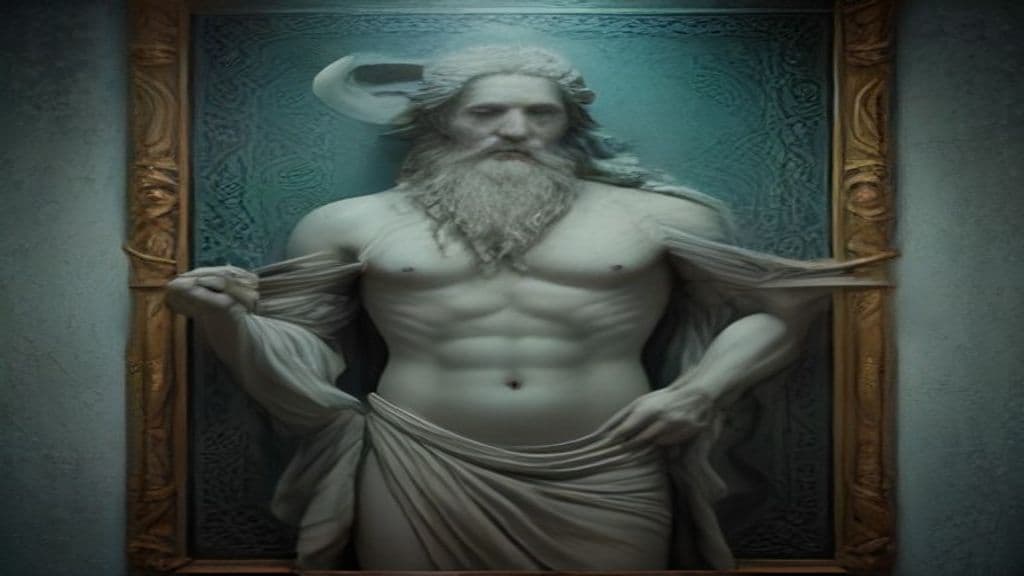
Nereus
Nereus is an archaic Greek sea-god, eldest son of Pontus and Gaia, known as an aged, truthful 'Old Man of the Sea' who fathers the Nereids and functions as a source of prophetic counsel; he shares traits with other sea-elders like Proteus and later recedes in prominence beneath Poseidon.
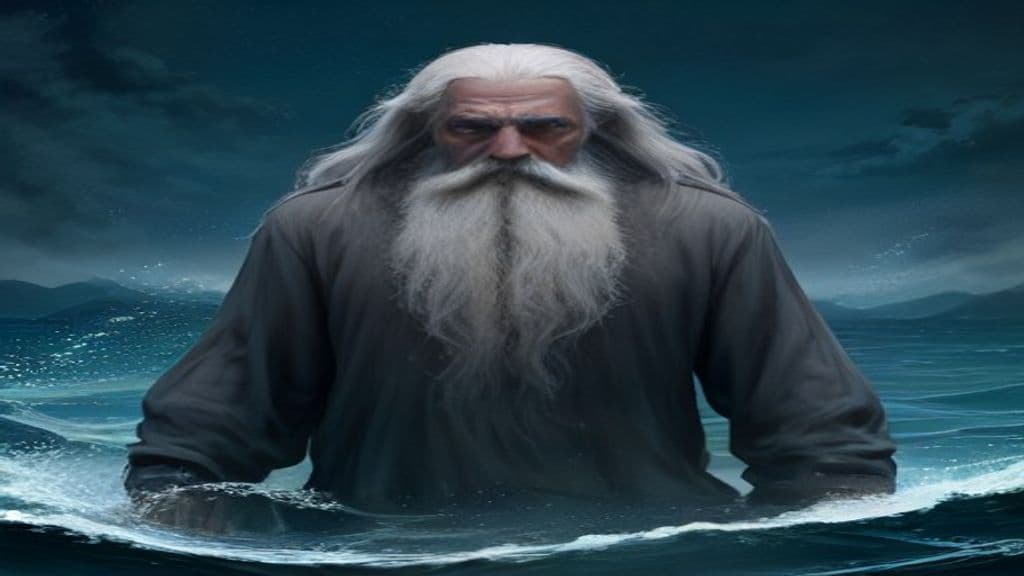
Proteus
Proteus is an ancient Greek sea-associated divine figure—an 'Old Man of the Sea'—noted for prophetic knowledge and the ability to assume many forms. He is typically portrayed as a subordinate sea-deity (often described as a son of Poseidon) who resists disclosure of hidden truths unless compelled by capture.
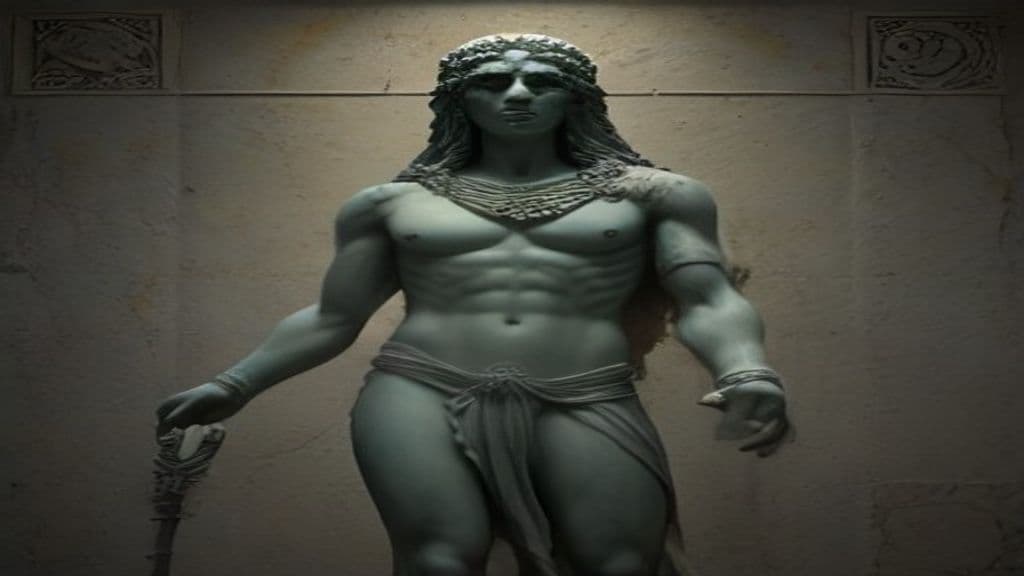
Phorcys
Phorcys (Ancient Greek: Φόρκυς) is a primordial sea deity in Greek myth, presented in Hesiodic genealogy as a son of Pontus and Gaia. Paired with Ceto, he is chiefly noted as the progenitor of a brood of archaic, often monstrous marine and chthonic beings and appears in iconography as a hybrid merman-monster in Hellenistic–Roman art.
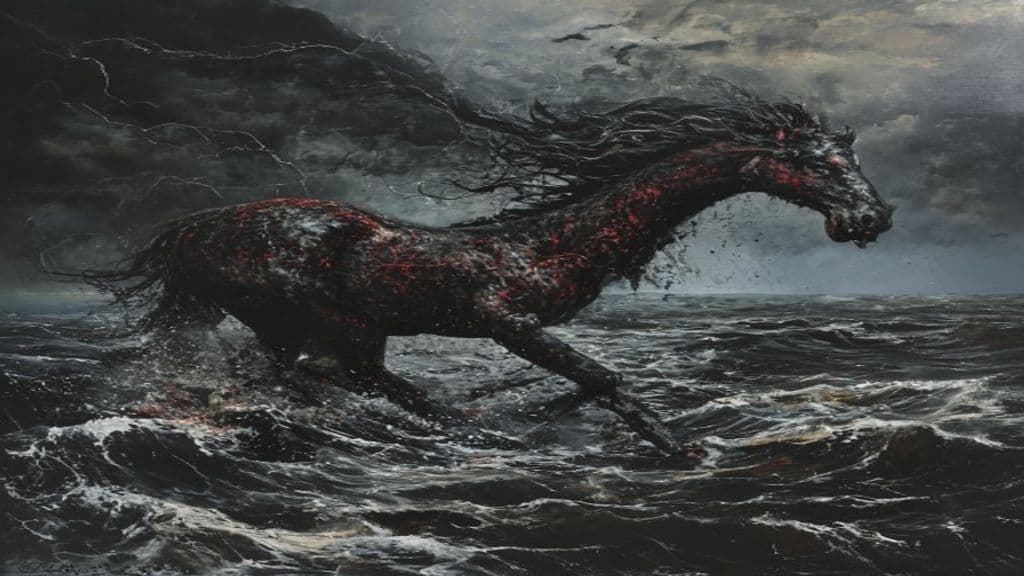
Nuckelavee
The most terrifying creature of Orcadian folklore — a skinless, horse-headed demon of the sea whose breath spreads plague and whose presence causes crops to wither. It cannot cross fresh water.
Community Record
- [1]Old Man of the Sea — Wikipedia. Wikipedia, 'Old Man of the Sea'.wiki
- [2]NEREUS - Greek Sea‑God, The Old Man of the Sea — Theoi. Theoi Project, entry on Nereus.other