Onesimachus does not have an origin story in the cited material. He appears only as a name within a genealogical variant that attributes the parentage of the figure Amarynceus to him rather than to the more commonly cited pair Alector and Diogeneia. This placement is characteristic of Greek mythic tradition, which preserves multiple, often-localized genealogical variants that serve to claim descent, regional ties, or status for particular heroes or families. The source offers Onesimachus only in this brief filial-relationship role and supplies no narrative about his birth, deeds, or wider family beyond that variant.
No physical description or iconography for Onesimachus is provided in the source. He is referenced only as a personal name within genealogical lists; therefore there are no attested attributes, clothing, age, or other appearance details. The absence of descriptive material suggests he functions in the source as an ordinary mortal name used to record an alternative lineage rather than as a figure with a cult or visual representation.
The source provides no information on abilities, powers, behaviors, or interactions for Onesimachus. He is not described as possessing supernatural competencies, cultic influence, or notable actions; his role is strictly genealogical in the cited passage.
Weaknesses
- otherNo recorded weaknesses
Wards
- otherNo recorded wards

Amarynceus
Amarynceus is a mortal chieftain of Elis in the Greek mythic-historical tradition, presented as a regional leader of the Eleans connected to the heroic age. He appears in variant genealogies and in narratives linking Elis to the Trojan expedition, funeral games, and the dynastic politics involving Augeas and Heracles.
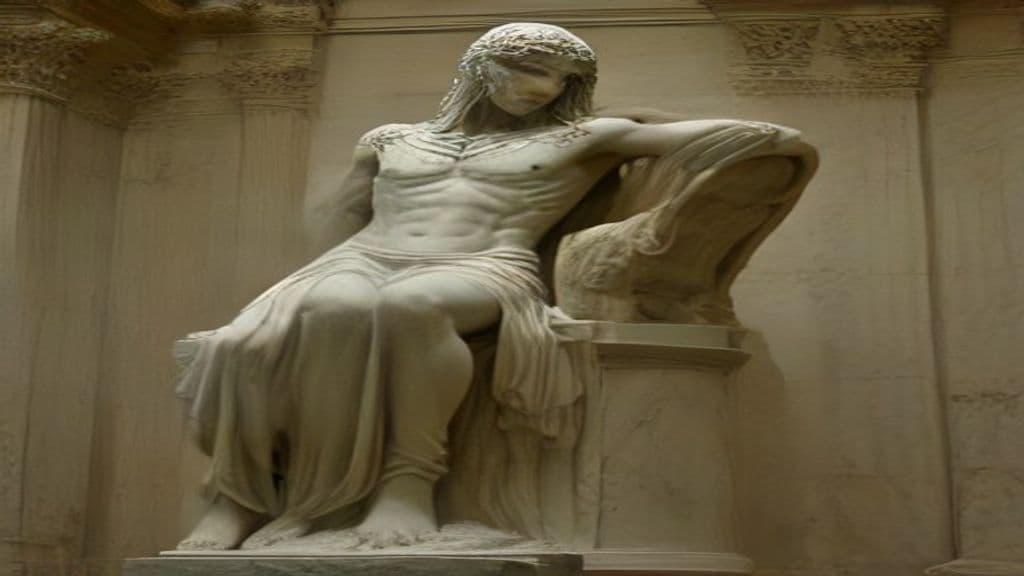
Alector
Alector (Ancient Greek: Ἀλέκτωρ) is a personal name borne by multiple mytho-historical figures in ancient Greek tradition. The name appears in several regional genealogies and foundation stories (Magnesia, Boeotia, Elis, Argos, Sparta) and functions as an eponymous ancestor or princely figure rather than a single supernatural being.

Diogeneia
Diogeneia (Ancient Greek: Διογένεια) is a personal name borne by multiple mortal women in Greek myth and later reused in civic and modern contexts. In ancient sources the name identifies distinct genealogical figures (daughters, wives, mothers) rather than a single supernatural being; a later civic festival and modern events and groups also bear the name.
Community Record
- [1]Diogeneia (Wikipedia) — entry including genealogical variants mentioning Onesimachus. "Otherwise, the latter [Amarynceus] was called the son of Onesimachus."wiki