
According to the supplied excerpts, Phocus is presented as a son of King Aeacus of Aegina and Psamathe and thus a member of the Aeacid dynastic line. He appears in the narrative milieu of the heroic past — the age of kings and inter-island politics — where named sons of ruling houses serve to index alliances and political choices. In the archive summary of Minos's embassy, Aeacus is described as father of Phocus (alongside Peleias/Peleus and Telamon), and Minos's request for aid from Aegina is framed by that dynastic context. The supplied passages offer no extended personal deeds or a fuller mythic biography for Phocus beyond his parentage and role as a named princely son.
The provided sources do not furnish any physical description of Phocus. In the cited material he is identified by lineage and office — a prince of Aegina and son of Aeacus and Psamathe — and classical genealogical practice treats such persons as mortal aristocratic figures rather than as physically described supernatural entities.
In the supplied excerpts Phocus is not attributed any supernatural powers, special abilities, or remarkable deeds. He is referenced only as a named son within Aeacus's household and as part of the roster of dynastic figures relevant to inter-polity negotiations. No behaviors, prodigies, or divine endowments for Phocus are recorded in the provided materials.
Weaknesses
- othernone recorded in supplied sources
Wards
- othernone recorded in supplied sources
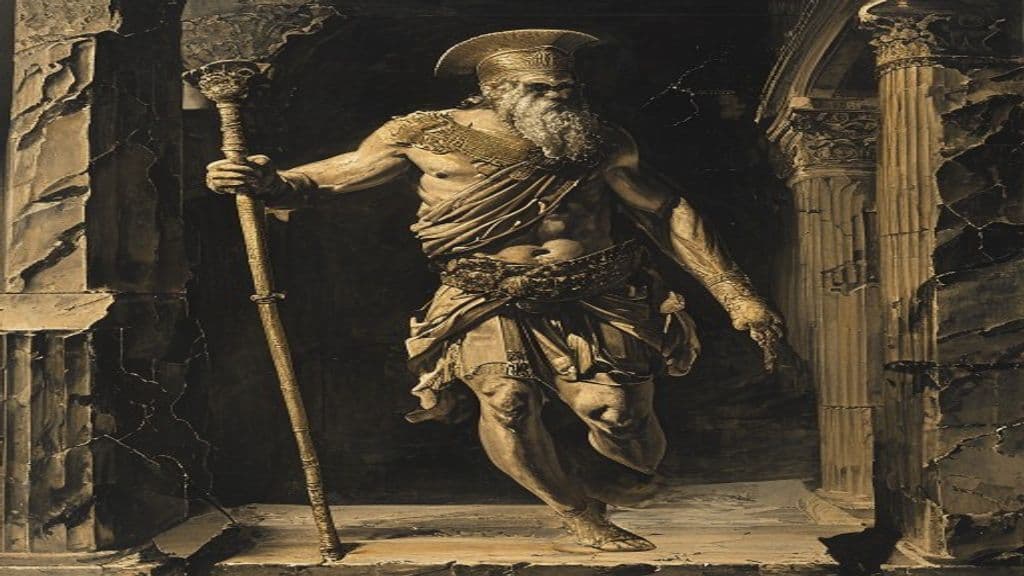
Aeacus
Aeacus is a mythic king of the island of Aegina in Greek tradition, famed for his justice and piety. After death he is accorded a permanent office in Hades as one of the three judges of the dead alongside Minos and Rhadamanthus, and he is the eponymous ancestor of the Aeacidae.
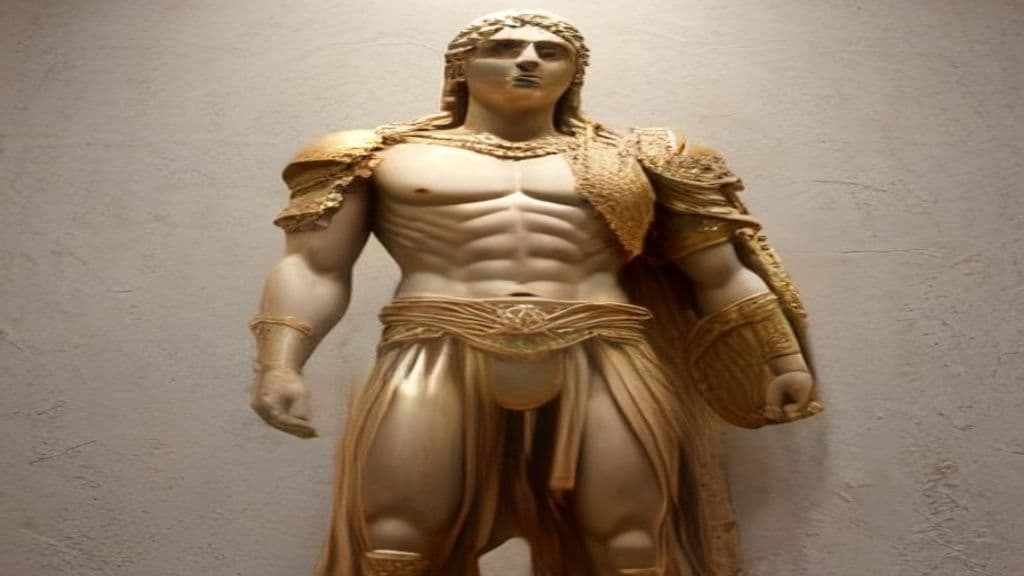
Telamon
Telamon (Ancient Greek: Τελαμών) is a mortal heroic king and warrior from archaic Greek myth, son of Aeacus and the nymph Endeïs in many accounts, father of Ajax and Teucer, and a participant in pan‑Hellenic episodes (Argonauts, Calydonian Boar hunt, allied actions with Heracles). He functions primarily as an ancestor‑hero who links civic lineages (Aegina, Salamis, Megara) into the epic heroic world.
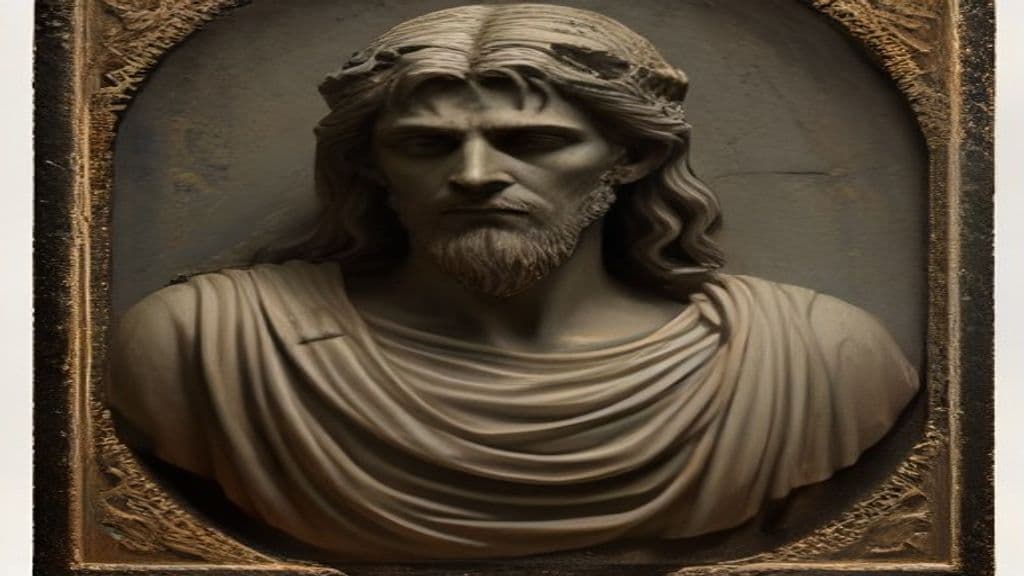
Peleus
Peleus (Ancient Greek Πηλεύς) is a mortal heroic king of the Greek heroic age—son of Aeacus and an oread, husband of the sea-nymph Thetis, and father of Achilles—figuring as a founder-ancestor and culted hero in later local practice. He is portrayed in epic narrative as a warrior-king, Argonaut, and participant in the web of marriages and purifications that link human rulership to divine beings.
Community Record
- [1]Phocus (son of Aeacus) — Wikipedia. "In Greek mythology, Phocus, was a prince of Aegina and son of Aeacus and Psamathe."wiki
- [2]LP0078 - IV ARGONAUTS - The Argonauts Assembled, from The Fables of Hyginus (archive summary). "He sails to Aegina, ruled by King Aeacus, father of Phocus, Peleias and Telamon. Minos asks him for aid and alliance... Aeacus declines, saying that he and Athens are old allies."literary
- [3]LP0014 Medea and Aegeus (archive recording referencing Medea passages). Passages from Ovid's Metamorphoses and related material are included in the supplied archive excerpts; the provided notes state that these materials do not describe Phocus beyond genealogical naming.literary