
The name Polyxenus appears in several distinct mytho-historical genealogies rather than in a single unified origin tale. In Eleusinian contexts one Polyxenus is described as among the earliest priests of Demeter and among the first initiates of the Eleusinian Mysteries, thereby being situated at the foundation of that cultic memory. In Elis-related traditions the name is borne by kings: one Polyxenus is described as a king entrusted with stolen cattle by the Taphians under Pterelaus (a cattle-ransom episode later resolved by Amphitryon); another, identified as son of Agasthenes and Peloris, is listed among the suitors of Helen, furnishes forty ships for the Trojan expedition, returns home safely, and fathers Amphimachus. A further usage treats Polyxenus as an alternate name (Medus) for a son of Jason and Medea. These appearances reflect the reuse of personal names across generations and local variant storytelling in Greek legendary historiography.
The supplied sources do not provide physical or iconographic descriptions for any bearer of the name Polyxenus. The figures are attested through genealogical, office-holding, and narrative roles (priest, king, suitor, son) rather than by bodily or dress detail; no distinctive physical marks or iconography are recorded in the provided materials.
No supernatural powers are attributed to Polyxenus in the cited material. Reported capacities are social and functional: one Polyxenus is an early priest and initiate of Eleusinian rites (a role implying custody of sacred knowledge within the cultic framework, but not described as magical powers), other bearers perform actions typical of heroic-age mortals — ruling as king, receiving custody of cattle in an inter-dynastic dispute, mustering ships for the Trojan expedition, and producing heirs. The sources do not ascribe possession, revenant activity, or occult abilities to any Polyxenus.
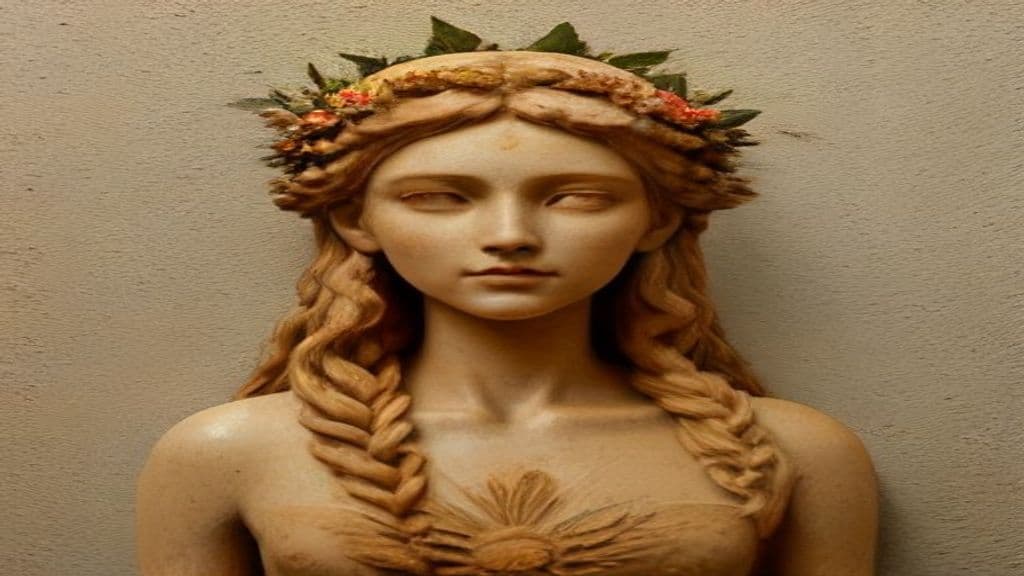
Demeter
Demeter is an Olympian goddess of ancient Greek religion who presides over agriculture, grain, and the fertility of the earth. She functions as a divine mother-figure and guardian of social customs, sacred law, and the cycle of life and death, and is central to the Eleusinian Mysteries alongside her daughter Persephone.

Amphitryon
Amphitryon is a mortal nobleman of Greek mythic-historical tradition: son of Alcaeus of Tiryns, husband of Alcmene, and the acknowledged stepfather of Heracles. He appears in heroic-age narratives as a warrior, dynastic actor, and the human whose identity is impersonated by Zeus in literary treatments that explore paternity and identity.

Jason
Jason (Ancient Greek: Ἰάσων, Iásōn) is a mortal hero of Greek myth, leader of the Argonauts whose quest for the Golden Fleece establishes his place in the heroic age. He is depicted as a prince of Iolcos, son of Aeson, and husband of the sorceress Medea.

Medea
Medea is a mythic Greek woman of royal lineage associated with practiced pharmakeía (drugcraft) and ritual knowledge; in epic she functions as the helper who enables Jason's success, and in tragedy she becomes a transgressive avenger whose actions include murder. Sources present her variably as mortal with divine ancestry (granddaughter of Helios) and as a skilled worker in magical substances and rites often linked in literature to Hecate.
Community Record
- [1]Polyxenus — Wikipedia. Wikipedia contributors, 'Polyxenus', Wikipedia, The Free Encyclopedia.wiki
- [2]Wikidata entry: Polyxenus. Wikidata: Q6450258other
- [3]LP0003 The Son of Amphitryon (archive retelling linking Apollodorus/Pausanias material). Archive.org, 'LP0003 The Son of Amphitryon' (retelling of Apollodorus / Pausanias passages).literary
- [4]LP0035 Medea in Corinth (archive retelling linking Apollodorus/Pausanias material). Archive.org, 'LP0035 Medea in Corinth' (retelling of Apollodorus / Pausanias passages).literary