The name Πολυξώ (Polyxo) appears across multiple independent strands of Greek myth rather than describing a single originating figure. In cosmological catalogues she appears as one of the Oceanids, daughters of the Titans Oceanus and Tethys (attested in scholastic lists and modern compilations of those lists; summarized in reference works such as the Polyxo entry on Wikipedia). In genealogical narratives tied to river divinities she is recorded as a Naiad, specifically a daughter of the river-god Nilus, and in some accounts as one of the wives of King Danaus of Libya and mother of daughters who participate in the Danaid cycle (summarized in modern compendia including the Polyxo entry). Other traditions localize a Polyxo on Lemnos as a nurse and seeress associated with Hypsipyle and the Argonauts; Statius’ recounting of the Hypsipyle episode (Thebaid, Book V) and later summaries indicate a Polyxo urging or advising the Lemnian women in their dealings with the arriving Argonauts. Additional local traditions make Polyxo the Argive or Rhodian wife of Tlepolemus; late or local narratives (summarized in the Polyxo (Rhodes) entry and in secondary summaries) attribute to this Polyxo the reception of Helen and an episode in which handmaidens dressed as Furies are sent against her. The extant sources present these as separate, regionally variegated traditions rather than a single biography.
No single standardized physical description applies to all figures named Polyxo in the sources. Where Polyxo is enumerated among water-spirits (Oceanids or Naiads), classical poetic convention would depict such beings as nymphs associated with fresh or salt water, though the supplied materials do not preserve a descriptive passage that uniquely characterizes any Polyxo’s appearance. In narrative episodes where Polyxo is a mortal or quasi-mortal woman (nurse, queen, or wife), she is presented in ordinary human guise: for example, the episode in which Polyxo purportedly sends handmaidens disguised 'as Furies' to seize and hang Helen emphasizes human agents wearing ritual or theatrical disguise rather than revealing a distinct supernatural form for Polyxo herself (the Helen anecdote is preserved in later summaries such as the Elena / summagallicana tradition and in modern overviews). Similarly, the Lemnian seeress Polyxo appears as a woman of the island engaged in counsel and nursing rather than in nonhuman form (Statius’ recounting of the Hypsipyle material treats her as a human counselor in the narrative context).
The corpus does not attribute extraordinary cosmic powers specifically to any single Polyxo; instead, the bearers of the name operate within the range of abilities typical for their categories in Greek myth. As an Oceanid or Naiad, a Polyxo belongs to the class of water-nymphs—entities traditionally tied to particular waters and mythic influence over those locales—though the provided sources do not record distinct magical feats for her. As mortal or semi-mortal figures, the Polyxos exercise human agency: they form marriage alliances (the Naiad-wife of Danaus; the wife of Tlepolemus), act as nurse and seer (the Lemnian Polyxo advising Hypsipyle and the island women regarding the Argonauts, attested in the Hypsipyle narratives summarized from Statius and other treatments), and in narrative variants they organize or incite collective action (the Danaid mothering role and the Lemnian counsel to conceive with Argonauts). In one tradition recorded in summaries, a Polyxo attempts vengeance against Helen by dispatching handmaidens disguised as Furies to seize and hang her, an act of organized human violence preserved in later retellings (Elena / summagallicana summary). Because no bearer is described as wielding world-altering or uniquely divine powers in the supplied materials, the composite name is best classified at the 'Lesser' tier: powerful within localized or narrative contexts (political, ritual counsel, or cultic frenzy in the case of a Maenad) but not portrayed as an ancient or primordial cosmic force.

Naiad
A class of female nature-spirits in ancient Greek religion whose being is bound to particular bodies of fresh water (springs, wells, fountains, streams). Naiads are local, embodied presences venerated in community cults and invoked in rituals of purification, healing, and life-cycle events, yet they may also act harmfully toward humans.
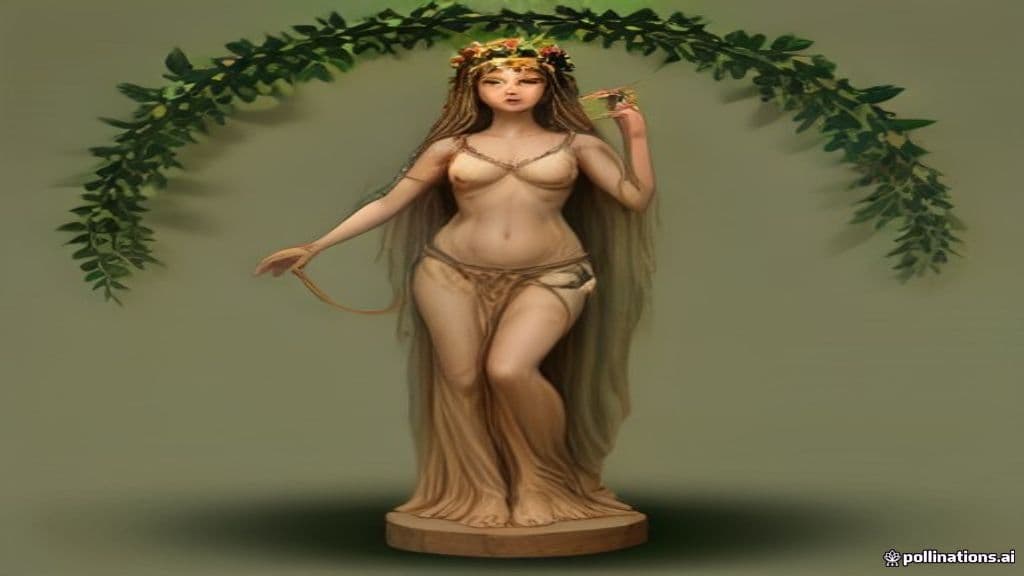
Maenad
In ancient Greek religion and myth, maenads (Ancient Greek: μαινάδες, mainádes) are the female followers and ritual participants of Dionysus who enter ecstatic frenzy to commune with the god. They function both as organized cult members in Dionysian worship (the thiasus) and as mythic agents through whom Dionysus' power—sometimes restorative, sometimes destructive—is manifest.
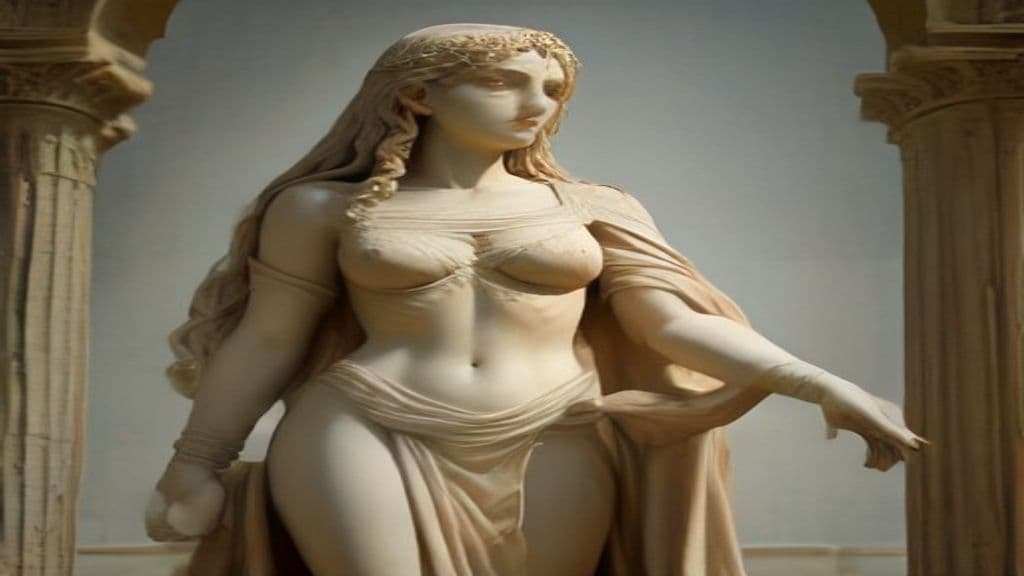
Helen of Troy
A figure of Greek epic and local cult remembered as "the most beautiful woman in the world." Daughter of Zeus in many accounts, her marriage and/or departure to Troy is the proximate cause of the Trojan War; she also appears in local cults in Laconia, Attica, and Rhodes and in variant traditions that place her in Egypt or on Olympus.
Community Record
- [1]Polyxo (Wikipedia). Polyxo. Wikipedia entry summarizing attestations of multiple figures named Polyxo (Oceanid, Naiad, Lemnian seeress, Maenad, wife of Tlepolemus).wiki
- [2]Polyxo (Rhodes) (Wikipedia). Polyxo (Rhodes). Wikipedia entry summarizing traditions linking a Polyxo to Rhodes and recounting the Helen bathing/handmaidens anecdote in later summaries.wiki
- [3]Elena / summagallicana — Helen entry (summary). Elena (Helen) entry. Summaries of variant traditions, including: 'They say that this Polyxo desired to avenge the death of Tlepolemus on Helen... she sent against her when she was bathing handmaidens dressed up as Furies, who seized Helen and hanged her on a tree.'other
- [4]Statius, Thebaid, Book V (translation). Statius. Thebaid, Book V. Contains retellings of the Hypsipyle episode in which a Polyxo is associated with the Lemnian women; later summaries note Polyxo's role advising the women (see Thebaid V references and modern summaries).literary
- [5]Wikidata: Polyxo (Q150813). Wikidata item compiling identifiers and links relating to the multiple mythic figures named Polyxo.other