There is no single origin narrative for Praxithea because the name appears ascribed to at least five different mythic women in ancient and modern summaries: (1) a Naiad, daughter of Phrasimus and Diogeneia (theoi.com); (2) a royal wife/matron variously attested as spouse of Erichthonius (mother of Pandion) or of Erechtheus (mother of several children) in Athenian genealogical lists (Apollodorus summaries; archive LP0037); (3) the woman who cries out when Demeter attempts to make Demophon immortal at Eleusis (Apollodorus via the Gigantomachy passage; archive LP0026); (4) a daughter of Leos who, with sisters Theope and Eubule, is linked to a self-sacrifice legend and a precinct called the Leocorium in Athens (modern summaries, Wikipedia); and (5) a Thespian princess in the Heracles epics who bears children by the hero (summarized in modern myth compilations). These distinct attributions are treated as separate bearers of the same personal name across variant traditions.
Sources provide no unified physical description. Where Praxithea is a Naiad she is implicitly a freshwater nymph associated with springs or rivers (theoi.com) but without detailed morphology. Where she appears as an Athenian queen or matron she is represented in the conventional epic/tragic mode of a royal woman (mother, wife, attendant) with no consistent iconographic traits recorded in the cited summaries. The Demophon-scene describes her as an observing householder who 'watched' and then 'cried out' (Apollodorus summary).
The provided sources attribute no specific superhuman powers or formulaic magical abilities to Praxithea. Her narrative functions are behavioral and social: acting as witness/observer (crying out during Demeter’s attempt to render Demophon immortal), serving genealogical roles as mother/wife in royal lineages (mother of Pandion in some accounts; mother of Erechtheus’s children in others, per Apollodorus summaries), and appearing in a self-sacrifice motif (daughter of Leos). These actions are reported in mythic narrative rather than described as deployable supernatural powers.
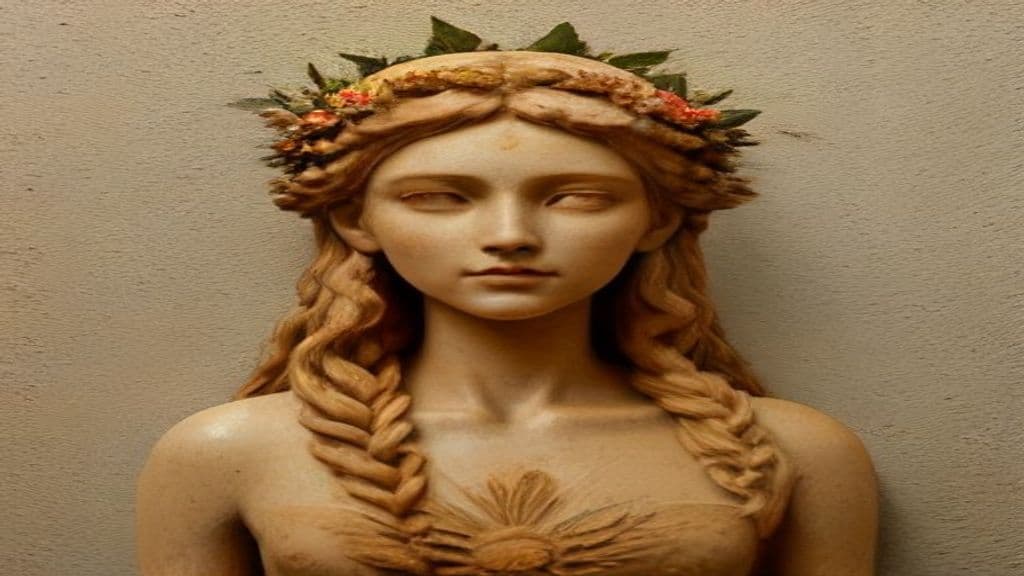
Demeter
Demeter is an Olympian goddess of ancient Greek religion who presides over agriculture, grain, and the fertility of the earth. She functions as a divine mother-figure and guardian of social customs, sacred law, and the cycle of life and death, and is central to the Eleusinian Mysteries alongside her daughter Persephone.
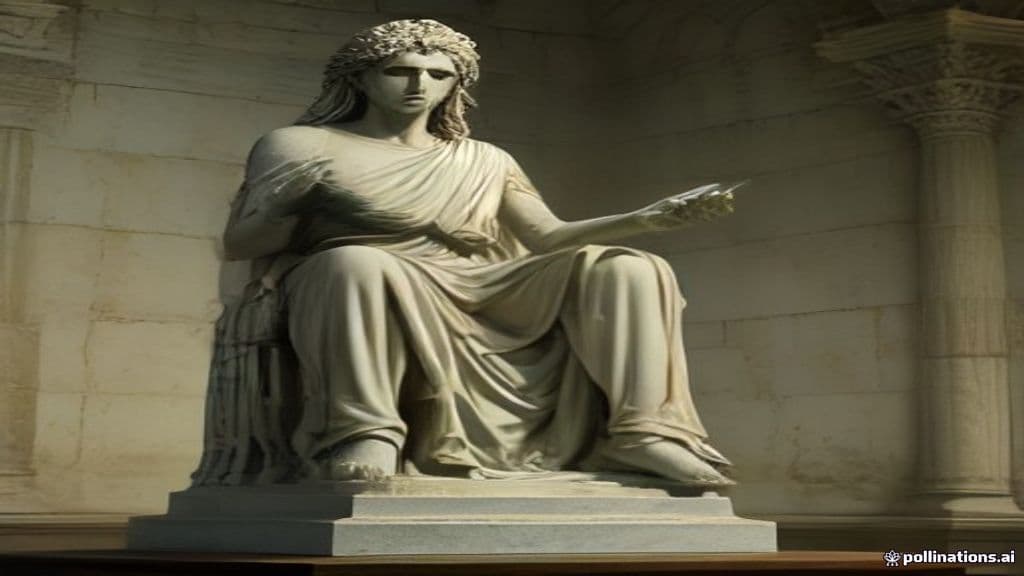
Erechtheus
Erechtheus is a mythic-heroic foundational figure of ancient Athens whose identity blends an autochthonous, earth-born ancestor-king with a localized cultic name often syncretized with Poseidon; he functions as eponymous progenitor of the Erechtheidai and as the focus of ritual memory on the Acropolis (the Erechtheion).

Naiad
A class of female nature-spirits in ancient Greek religion whose being is bound to particular bodies of fresh water (springs, wells, fountains, streams). Naiads are local, embodied presences venerated in community cults and invoked in rituals of purification, healing, and life-cycle events, yet they may also act harmfully toward humans.
Community Record
- [1]Praxithea — Wikipedia. Wikipedia entry 'Praxithea' (summary of multiple classical traditions and modern references)wiki
- [2]Theoi — PRAXITHEA. Theoi Classical Texts Library entry for Praxithea (naiad attribution: daughter of Phrasimus and Diogeneia)other
- [3]Archive LP0026 — The Gigantomachy (Demophon episode summary). Audio/summary of Apollodorus' account: Praxithea watches Demophon in fire and cries out, interrupting Demeter's riteliterary
- [4]Archive LP0037 — The Kings of Athens (genealogical summaries). Summary of Apollodorus and related genealogical traditions listing Praxithea as wife/mother in Athenian royal lineagesliterary
- [5]GreekMythology.com — Praxithea. Modern compilation summarizing the various figures named Praxithea (naiad, royal wife, daughter of Leos, Thespian princess)other
- [6]Myths.uvic — Event: Praxithea sees Demeter put Demophon into the fire. Event summary referencing the Demophon/ Demeter narrative and Praxithea's interruptionacademic
- [7]Filicide and Oikeios Polemos (Thesis) — on oikos bonds in Attic tragedy. Scholarly study referenced in research notes discussing Attic tragedy contexts (mentions fragmentary Euripidean material involving Praxithea and family obligations)academic