There is no single origin narrative for Promachus; instead the name appears across multiple registers. In Homeric epic a Promachus (son of Alegenor) is a Boeotian warrior who falls in the Trojan War (Iliad). In mythographic summaries and Argonautica-related traditions a Promachus is counted among the kin of Aeson of Iolcus and is said to have been killed by Pelias while Jason was absent. Other bearers include a son of Parthenopaeus among the Epigoni and a Promachus listed among the suitors of Penelope who is killed on Odysseus' return. Separately, the form Πρόμαχος occurs as a surname/epithet of deities — for example Athena at Athens, Heracles at Thebes, and Hermes at Tanagra — indicating a divine functional title meaning "champion" or "leader in battle". In modern usage Promachus is also the name of a genus of robber flies (Asilidae) and of asteroid 173117 Promachus.
As used for mortal figures in epic and myth, Promachus has no uniform supernatural appearance in the cited sources; individuals are described simply as warriors or as sons of named parents and are depicted within normal human martial contexts (battle, athletic contest). The sources do not record a distinctive iconography for the epithet Πρόμαχος; the epithet is attached to deities (Athena, Heracles, Hermes) but the provided materials do not describe unique visual attributes specific to the epithet. In modern scientific contexts Promachus denotes real robber flies (genus Promachus) with ordinary dipteran morphology as recorded in entomological lists and photographs.
When borne by mortal characters in epic and myth, Promachus denotes human abilities associated with warriors: fighting in battle, athletic skill (one local tradition lists a Promachus of Pellene as a pankration champion), and the narrative consequences of martial death (lament, vengeance). As an epithet of gods, the functional implication is leadership or preeminence in battle — a divine protective/champion role — though specific divine actions tied to the epithet are not detailed in the cited materials. In taxonomy the genus Promachus designates predatory robber flies; entomological notes mention species-level behaviors such as courtship displays (e.g., Promachus latitarsatus) in the modern biological register.
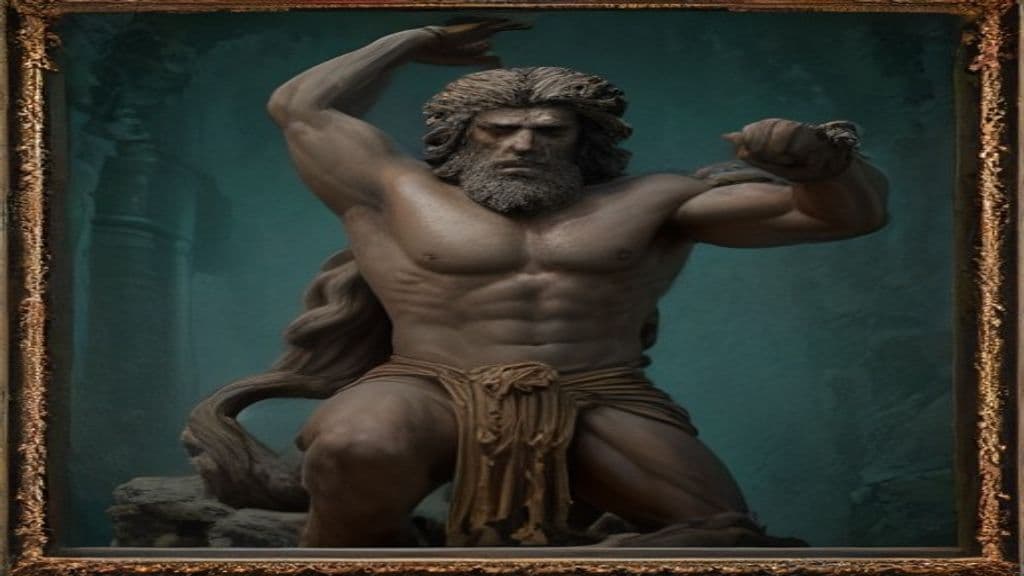
Heracles
Heracles is the greatest hero of Greek myth whose career bridges mortal hero-cult and full divinization. Celebrated for his Twelve Labours, martial prowess, and travels between the mortal world, the underworld, and Olympus, he functioned as a civic patron, ancestor of royal lines (the Heracleidae), and object of cult that treated him both as chthonic hero and as god.

Athena
Athena is a major ancient Greek goddess associated with wisdom, handicraft (notably weaving), and warfare; she serves as a tutelary protector of cities—most prominently Athens—and is central to myth, cult, and civic identity in the Greek world.
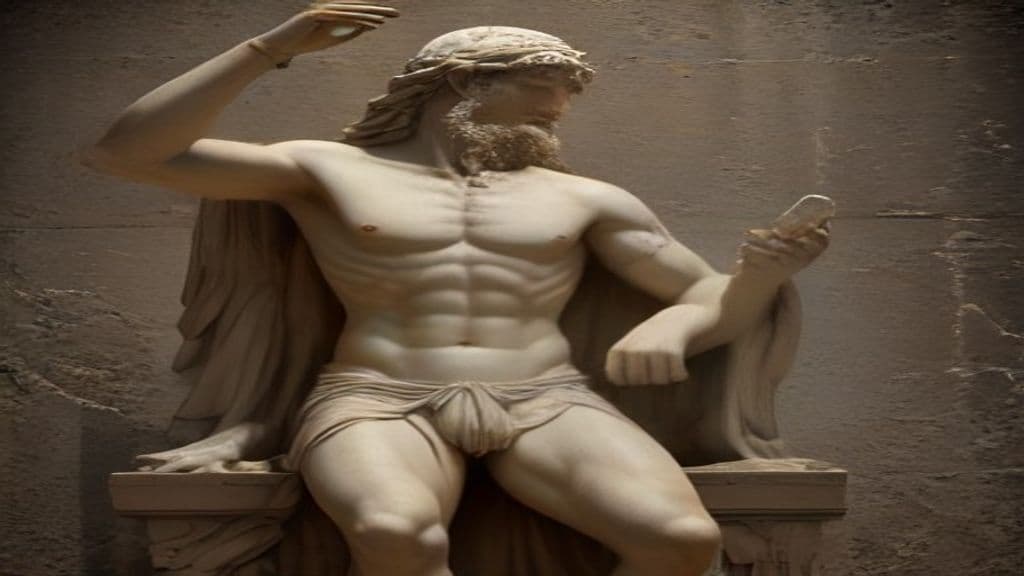
Hermes
Hermes is an Olympian god in ancient Greek religion who functions as the herald of the gods, an intermediary between mortal and divine realms, and a psychopomp guiding souls to the afterlife. He is associated with travel, boundaries, commerce, thieves, oratory, and liminality; in Hellenistic contexts he is syncretized with Egyptian Thoth as Hermes Trismegistus.
Community Record
- [1]Promachus (Wikipedia). Wikipedia, entry 'Promachus'.wiki
- [2]The Iliad, Book XIV (Homer). Homer, Iliad, Book XIV (references to Promachus, son of Alegenor).literary
- [3]Promachus species list. List of Promachus species (taxonomic listings).other
- [4]Promachus — Geller-Grimm (Diptera notes). Geller-Grimm, notes on Promachus (Diptera: Asilidae), including courtship display references.other
- [5]173117 Promachus (asteroid). MarkAndrewHolmes.com, asteroid 173117 Promachus (Jupiter Trojan), discovered September 24, 1973.other
- [6]Promachus (fr.wikipedia). French Wikipedia entry 'Promachus' (additional taxonomic and mythic listings).wiki
- [7]Promachus bastardi — photo and notes. Photograph and species notes for Promachus bastardi (robber fly).other
- [8]Archive: Medea and the Argonauts. Archive materials containing mythographic summaries relevant to Argonautica/Iolcus traditions.other
- [9]The Internet Classics Archive — The Iliad. Translation and passage references to Promachus's death and Homeric lamentation.literary